Image 1 of 2
1 / 2
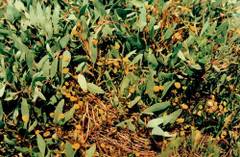
Anthony Valois and the National Park Service, no rights reserved (CC0) · Wikimedia Commons
Cotula, Genus, spp., Multiple species,
- Genus
- Multiple species
brass buttons
Southern Hemisphere: South Africa, Australia, New Zealand, and South America
Overview
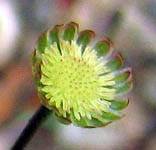
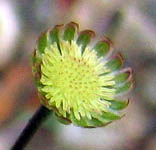
Cotula is a genus of around 55 species of low, mat-forming herbs in the daisy family (Asteraceae), most numerous in the Southern Hemisphere across South Africa, Australia, New Zealand, and southern South America, with some species now naturalised widely. The common name brass buttons comes from the small, rayless, button-like flower heads. Plants are creeping annuals or perennials that root as they spread, forming dense mats only 1 to 6 inches (2.5 to 15 cm) tall and 8 to 24 inches (20 to 60 cm) or more across. The leaves are small and either fleshy or finely cut and fern-like, depending on the species, and range from green to bronze. From spring into summer, slender stalks lift many small, flat, yellow or cream flower heads, 0.2 to 0.5 inch (5 to 12 mm) across, just above the foliage. Plants grow in damp ground, lawn edges, paving cracks, and bog margins, tolerating light foot traffic in the lower kinds. Many spread quickly and some have become weedy outside their native range.
Native Range
Native mainly to the Southern Hemisphere, including South Africa, Australia, New Zealand, and southern South America, with several species naturalised in other regions.Suggested Uses
Grown as a low groundcover, lawn substitute, and filler between stepping stones and pavers, and the moisture-loving kinds suit bog and pond margins. Suited to rock gardens and damp, lightly trafficked paths.How to Identify
Appearance
Size & Dimensions
Height1" - 6"
Width/Spread8" - 2'
Bloom Information
Detailed Descriptions
Flower Description
Yellow to creamFoliage Description
Green to bronzeGrowing Conditions
Sun Requirements
Requires 4-10 hours of direct sunlight daily
• Full Sun: 6+ hours of direct sunlight
• Partial Shade: 3-6 hours of direct sunlight
• Full Shade: Less than 3 hours of direct sunlight
Care & Maintenance
Care Guide
Most species grow in full sun to part shade on moist, freely draining soils with pH from 5.5 to 7.5. Water needs are medium, and many species prefer ground that stays damp. Hardiness varies, with many kinds suited to roughly USDA zones 6 to 10. The mat-forming species tolerate light foot traffic and are used between pavers. Vigorous spreaders can overrun smaller neighbours, so placement matters.Pruning
Mats can be trimmed or mown lightly to keep them flat and within bounds. Spent flower stalks are sheared off as they fade. Sections that spread too far are lifted and pulled back in spring.Pruning Schedule
Prune: March–April
early spring
Container Growing
Suitable for container growing
Minimum container size: 1 gallons