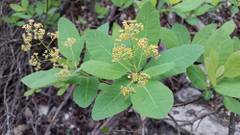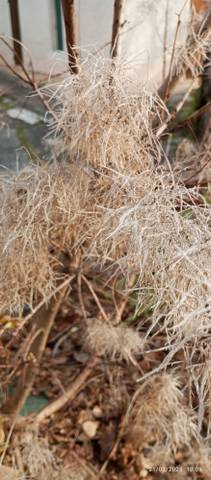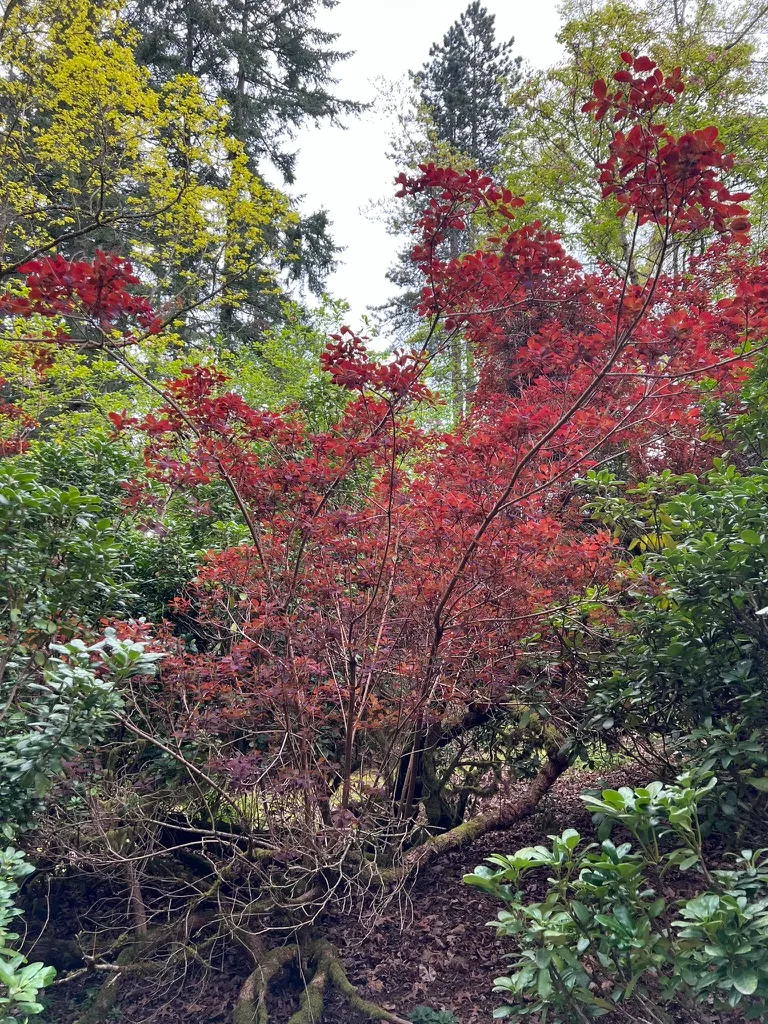
Cotinus   coggygria Purpureus Group, purple-leaf smoke tree/bush
1 / 4
Deciduous Shrubs

Cotinus coggygria Purpureus Group

purple-leaf smoke tree/bush

Anacardiaceae

Species native southern Europe east through central Asia to northern China; Purpureus Group cultivars of garden selection

At a Glance

TypeShrub
HabitUpright
FoliageDeciduous
Height10-15 feet (3-4.5 m)
Width10-15 feet (3-4.5 m)
Maturity6 years

Growing Zones

USDA Hardiness Zones

4 - 9
Zone 4
Zone 5
Zone 6
Zone 7
Zone 8
Zone 9
These zones indicate the coldest temperatures this plant can typically survive.
Frost Tolerancehardy

Key Features

Attracts Pollinators
Attracts Butterflies
Deer Resistant
Drought Tolerant
Maintenancelow

Overview

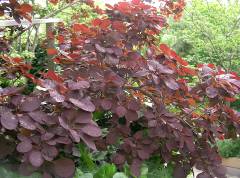
Cotinus coggygria Purpureus Group (purple-leaf smoke tree, purple smoke bush) encompasses the deep purple- to burgundy-leaved cultivars of smoke tree, combining the species' extraordinary summer smoke display with season-long dramatic foliage color. Plants in this group reach 10–15 feet (3–4.5 m) tall and wide in a rounded, multi-stemmed form. The rounded leaves 1.5–3 inches (4–8 cm) long emerge deep red-purple in spring, deepen to rich burgundy-purple through summer — holding color well in the Pacific Northwest's cool maritime climate — and turn flaming scarlet to orange-red in fall. The smoke plumes in July through September are similar to those of the green-leaved species but carry a pinkish-purple to rosy-purple cast that harmonizes with the dark foliage, creating a richer overall effect. The same counterintuitive cultural rule applies: poor, dry, infertile, well-drained soil produces better smoke and fall color than rich, moist conditions. Widely grown named cultivars in this group include 'Royal Purple' (very dark near-black purple), 'Velvet Cloak' (rich purple, outstanding fall color), 'Notcutt's Variety' (deep purple, larger plumes), and 'Nordine' (good hardiness, deep purple). DB note: the genus field for this record contains extra trailing spaces; the correct spelling is Cotinus.

Native Range

Cotinus coggygria is native from southern Europe east through central Asia to northern China. The Purpureus Group represents purple-leaved cultivars of garden selection.

Suggested Uses

Grown primarily for the dramatic combination of dark purple summer foliage and rosy-purple smoke plumes — one of the most visually impactful summer-interest shrubs for PNW gardens. Exceptional as a foliage contrast plant: the deep purple sets off silver, chartreuse, cream, and pale pink companions brilliantly. Pairs well with Caryopteris, Phlomis, ornamental grasses, and Achillea in hot, dry borders. The scarlet to orange-red fall color on dark-leaved specimens is particularly brilliant. Hard-coppiced plants with large purple leaves make an outstanding backdrop in the mixed border even without smoke display. 'Royal Purple' is the most widely available cultivar; 'Velvet Cloak' is notable for outstanding fall color.

How to Identify

Identified by the combination of rounded to obovate leaves 1.5–3 inches (4–8 cm) long in rich burgundy-purple to near-black coloration throughout summer — much darker than the blue-green to green of the straight species. Smoke plumes in July through September are pinkish-purple to rosy rather than the buff-beige of the green form. Fall color is brilliant scarlet to orange-red. Distinguishable from Cotinus 'Grace' (a hybrid) by smaller leaves and less vigorous growth; 'Grace' has larger, bluer-tinted purple leaves and a more open habit.

Appearance

Size & Dimensions

Height10' - 15'
Width/Spread10' - 15'

Reaches mature size in approximately 6 years

Colors

Flower Colors

pink
purple

Foliage Colors

purple

Fall Foliage Colors

red
orange

Bloom Information

Bloom Period

~10 weeks
J
F
M
A
M
J
J
A
S
O
N
D
SummerFall
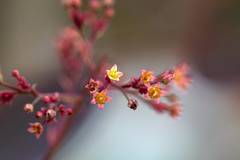
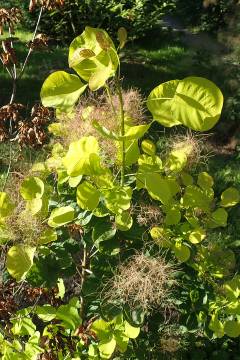
Tiny inconspicuous flowers appear in June through July. The hairy, elongated flower pedicels expand into pinkish-purple to rosy-purple smoke plumes 8–12 inches (20–30 cm) across from July through September — the primary ornamental feature, with a richer purple tone than the buff plumes of the green-leaved species. Fall foliage turns brilliant scarlet to orange-red in October through November.

Detailed Descriptions

Flower Description

pinkish-purple to rosy-purple (hairy pedicels forming smoke plumes)

Foliage Description

deep burgundy-purple to near-black in summer; brilliant scarlet to orange-red in fall

Growing Conditions

Sun Requirements

Full Sun
Requires 6-12 hours of direct sunlight daily
• Full Sun: 6+ hours of direct sunlight
• Partial Shade: 3-6 hours of direct sunlight
• Full Shade: Less than 3 hours of direct sunlight

Soil Requirements

pH Range6.0 - 8.0(Neutral)
357912
Soil Types
loamchalksandrocky
Drainage
well drained

Water & Climate

Water Needs

Very Low

Frost Tolerance

hardy

Time to Maturity

5-8 years

Drought Tolerance

Drought tolerant when established

Care & Maintenance

Care Guide

Same cultural requirements as the green-leaved species: full sun, poor to average, dry to moderately dry, well-drained soil. Do not fertilize — rich, fertile, moist conditions produce lush dark foliage but greatly reduce the smoke display and fall color intensity. The purple foliage color holds better in the PNW's cool, overcast climate than in hot-summer regions where it can fade greenish by midsummer. Excellent drought tolerance once established. Susceptible to Verticillium wilt — avoid sites with a history of wilt-susceptible crops. In the PNW's cool coastal climate, the smoke display may be less dramatic than in warmer, drier inland sites — Willamette Valley and east-of-Cascades locations produce outstanding displays.

Pruning

Pruning approach controls the trade-off between smoke display and foliage impact. For maximum smoke plumes: prune minimally — smoke forms on second-year and older wood. For maximum foliage effect with largest, boldest leaves: hard coppice in late winter (February through March) to 12–18 inches (30–45 cm) — produces vigorous stems with striking large purple leaves but sacrifices that year's smoke display. The most common approach for ornamental use: remove one-third of oldest stems annually in late winter to balance foliage vigor and smoke production. The very dark foliage of hard-coppiced plants can be used as a dramatic summer foliage backdrop even without smoke.

Pruning Schedule

J
F
M
A
M
J
J
A
S
O
N
D
early spring

Maintenance Level

low

⚠️ Toxicity Warning

Toxic to pets
Cotinus coggygria Purpureus Group (purple-leaf smoke tree/bush) - Identification & Care Guide | PlantRef