Image 1 of 20
1 / 20
Plant Reference
Cotinus, Genus, coggygria, Species,
- Genus & species
smoke tree, smoke bush
Southern Europe east through central Asia to northern China; dry rocky slopes and open woodlands
Overview
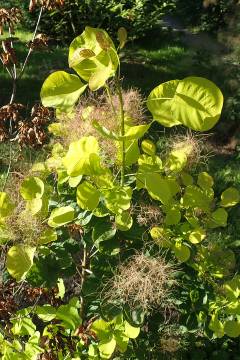
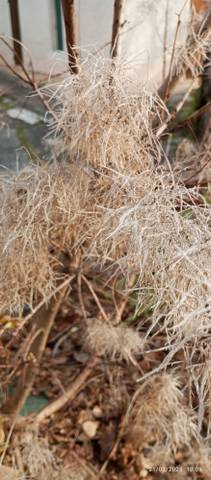
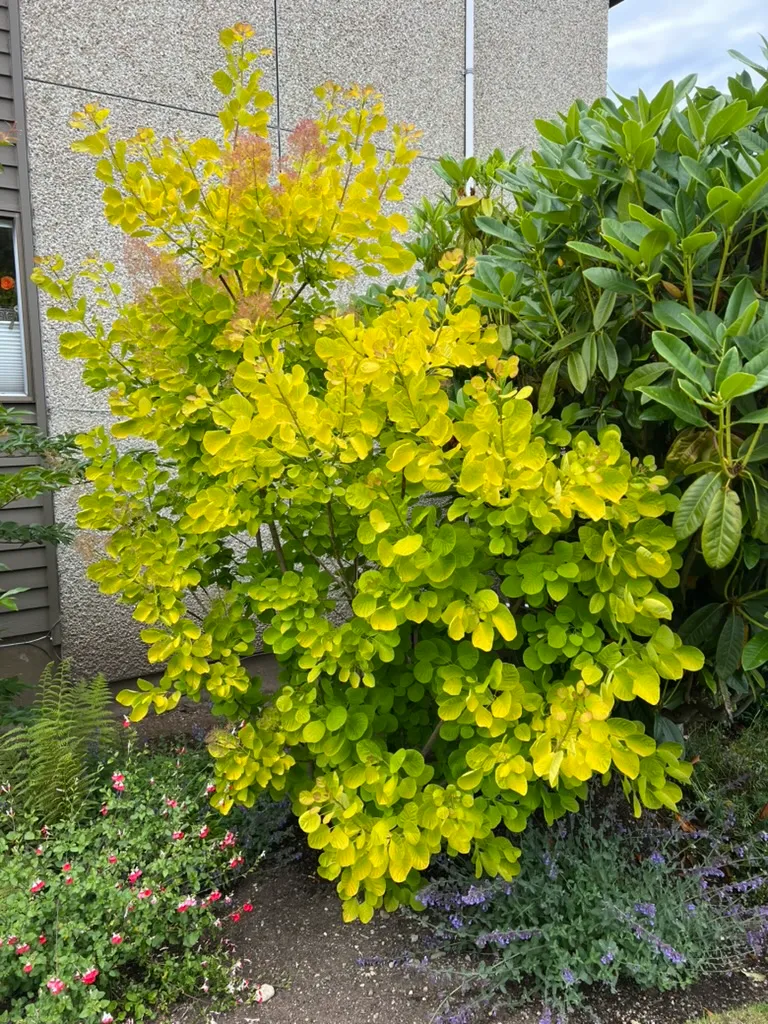
Cotinus coggygria is an upright deciduous shrub in the family Anacardiaceae (the cashew and sumac family), reaching 10–15 feet (3–4.5 m) tall and 10–15 feet (3–4.5 m) wide. Leaves are rounded to obovate, 2–3 inches (5–7 cm) wide, blue-green with smooth margins, and pinkish on emerging new growth before maturing. Tiny yellowish-green true flowers are carried in loose terminal panicles 6–8 inches (15–20 cm) long in June and July, but the species' main summer feature is not the flowers themselves: as the flowers fade, the pedicels (flower stalks) of the spent panicles elongate and become covered in pink to purplish hair-like outgrowths, producing a smoke-like haze that persists 4–6 weeks. Fall foliage shifts through yellow, orange, red, and scarlet, with color intensity varying among seed-grown plants. The species tolerates poor, dry, rocky soil; in rich moist soils growth becomes rank, smoke production drops, and fall color is reduced. The genus is in the same family as poison ivy (Toxicodendron radicans), and the sap can cause skin irritation in sensitive individuals. Limitation: verticillium wilt (Verticillium dahliae and V. albo-atrum) causes sudden wilting and dieback of branches or whole plants, the soilborne fungus persists in infected soils for years, and sites previously planted with verticillium-susceptible crops including tomatoes, potatoes, eggplants, and strawberries are unsuitable.
Native Range
Native to southern Europe east through the Balkans, the Caucasus, and central Asia to northern China, growing on dry rocky slopes and in open woodlands at low to middle elevations.Suggested Uses
Used as a specimen shrub, back-of-border accent, or mass planting at 10–15 foot (3–4.5 m) spacing. The summer smoke display and the multicolor fall foliage supply two seasons of feature interest. Poor dry rocky sites are tolerated. Sites with previous verticillium-susceptible crop history, rich moist soils, and locations near pets that may chew the foliage are unsuitable.How to Identify
Appearance
Size & Dimensions
Height10' - 15'
Width/Spread10' - 15'
Colors
Bloom Information
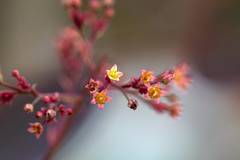
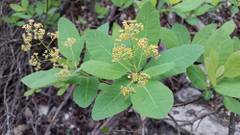
Tiny yellowish-green flowers in loose terminal panicles 6–8 inches (15–20 cm) long open in June and July. The smoke effect develops over the next 4–6 weeks as the spent flower pedicels elongate and become covered in pink to purplish hair-like outgrowths that persist on the panicles into late summer.
Detailed Descriptions
Flower Description
tiny yellowish-green true flowers in loose terminal panicles 6-8 inches (15-20 cm) long; the smoke effect is produced by elongating pink to purplish hair-like pedicels (flower stalks) on spent panicles that persist 4-6 weeksFoliage Description
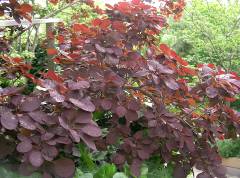
blue-green; rounded to obovate, 2-3 inches (5-7 cm) wide, with smooth margins; pinkish on emerging new growth; turns yellow, orange, red, and scarlet in fall (variable among seedlings)Growing Conditions
Sun Requirements
Requires 6-10 hours of direct sunlight daily
• Full Sun: 6+ hours of direct sunlight
• Partial Shade: 3-6 hours of direct sunlight
• Full Shade: Less than 3 hours of direct sunlight
Care & Maintenance
Care Guide
Site in full sun with 6–10 hours of direct sun per day in well-drained soil with a pH of 5.5–7.5. Poor, dry, rocky soils suit the species; rich moist soils produce rank growth, reduced smoke production, and weaker fall color. Sites previously planted with verticillium-susceptible crops including tomatoes, potatoes, eggplants, and strawberries are unsuitable because the soilborne fungus persists in infected soils for years and infects Cotinus through the roots. The sap can cause skin irritation in sensitive individuals; the genus is in the same family as poison ivy. Hardy in USDA zones 4–9. Routine fertilization is not required.Pruning
Two distinct pruning approaches are used. Light pruning in March, removing only dead, crossing, or damaged stems, retains the smoke display because smoke forms on stems 2 years and older. Coppicing all stems to 6–12 inches (15–30 cm) in March produces large vigorous foliage on new shoots but eliminates the smoke display for that season because the cut wood is too young to flower.Pruning Schedule
Prune: March
early spring