Corymbia, Genus, variegata, Species,
- Genus & species
northern spotted gum
Overview
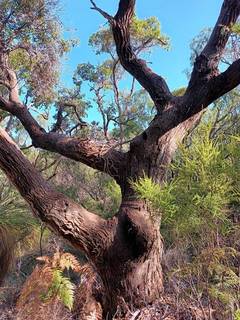
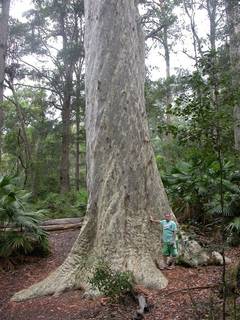
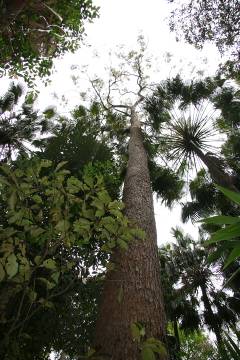
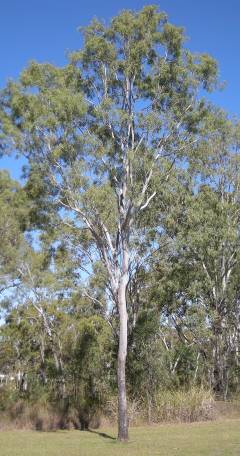
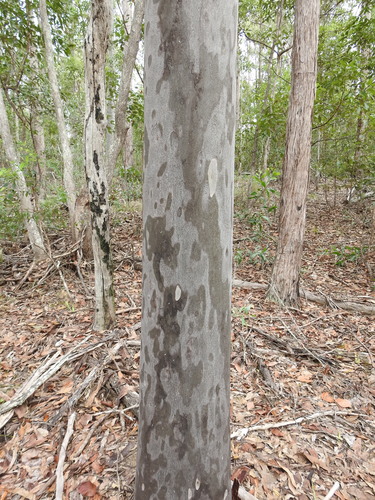
Corymbia variegata is a large evergreen hardwood tree of eastern Australia, growing 65–130 feet (20–40 m) tall with a tall, straight trunk and an open crown. Its smooth bark is shed in patches to give a mottled, spotted appearance in shades of grey, cream, and pink-brown. The adult leaves are lance-shaped, 4–8 inches (10–21 cm) long, glossy green, and arranged alternately. Clusters of white flowers, each with many stamens, appear mainly in winter and draw nectar-feeding birds and insects. These are followed by woody, urn-shaped capsules about 0.4–0.6 inch (10–15 mm) long. Corymbia variegata grows in open forest and woodland on a range of soils, from coastal lowlands to inland slopes, from central Queensland into northern New South Wales. It is closely related to the southern spotted gum, Corymbia maculata, and is grown for hardwood timber and honey. The tree reaches a large size and drops bark, leaves, and limbs, so it needs open space away from buildings.
Native Range
Native to eastern Australia, from central Queensland into northern New South Wales. It grows in open forest and woodland from coastal lowlands to inland slopes on a range of soils.Suggested Uses
Corymbia variegata is used as a shade, timber, and habitat tree in large gardens, parks, rural properties, and plantations. Its size suits open landscapes rather than small gardens, and its flowers support honey production and nectar-feeding wildlife.How to Identify
Appearance
Size & Dimensions
Height65' - 130'
Width/Spread30' - 50'
Bloom Information
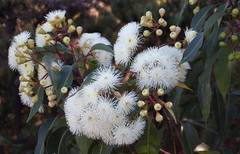
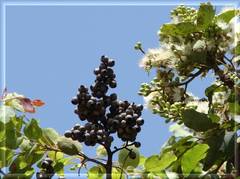
Flowering occurs mainly in winter, from about June to September, when clusters of white flowers open across the crown. The flowers carry many stamens and supply nectar to birds and insects. Woody capsules develop in the months after flowering and remain on the tree.
Detailed Descriptions
Foliage Description
glossy greenGrowing Conditions
Sun Requirements
Requires 6-12 hours of direct sunlight daily
• Full Sun: 6+ hours of direct sunlight
• Partial Shade: 3-6 hours of direct sunlight
• Full Shade: Less than 3 hours of direct sunlight