Corymbia, Genus, spp., Multiple species,
- Genus
- Multiple species
Bloodgums
Overview
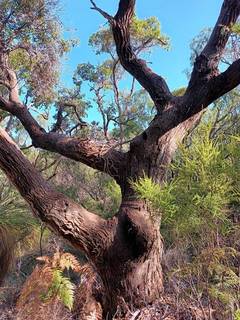
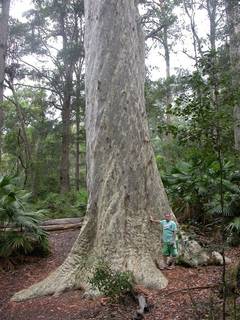
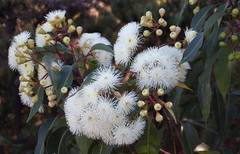
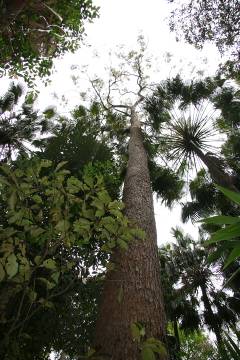
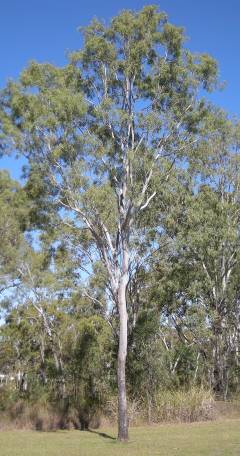
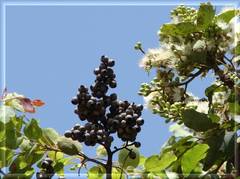
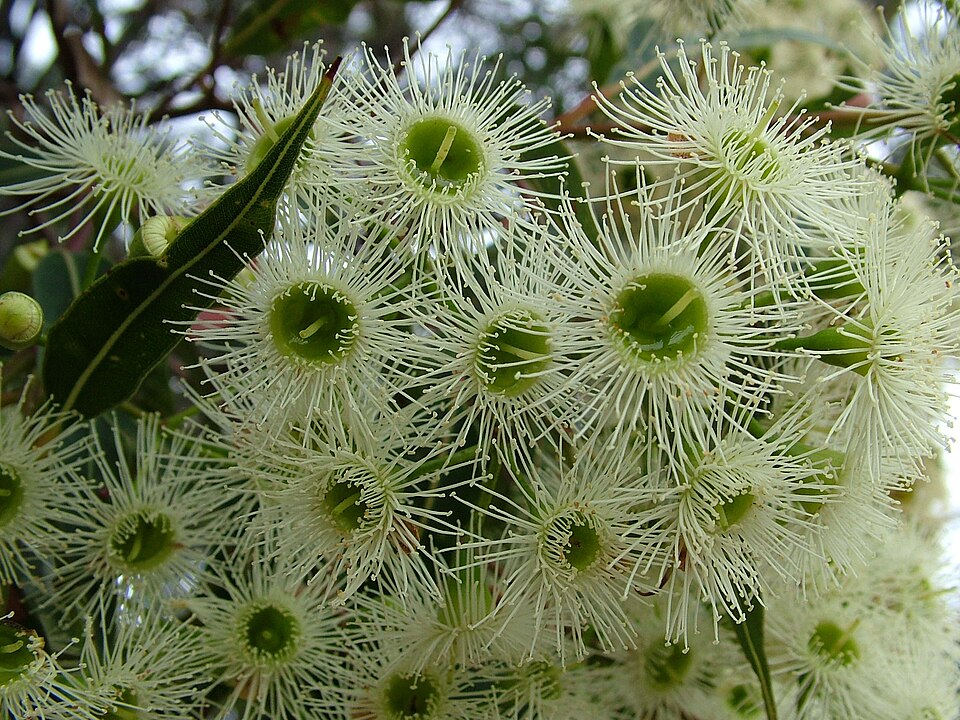
Corymbia is a genus of about 110 species of evergreen trees in the myrtle family, Myrtaceae, native to Australia and separated from Eucalyptus in the 1990s. Known as bloodwoods, ghost gums, and spotted gums, they are mostly medium to large trees 30 to 130 feet (10 to 40 m) tall, with smooth, spotted, or rough flaky bark depending on the group. The adult leaves are leathery, lance-shaped, and arranged alternately, and many species hold their flowers in branched, flat-topped clusters, the feature behind the name Corymbia. The flowers are masses of stamens in white, cream, pink, orange, or red, rich in nectar and drawing birds, bees, and other insects, and are followed by woody, urn-shaped capsules, the familiar gumnuts. C. ficifolia, the red flowering gum, is widely planted as a flowering street tree, while C. citriodora, the lemon-scented gum, has aromatic foliage and pale, smooth bark. The trees grow in a range of Australian woodlands and forests and tolerate heat, drought, and poor soils once established. Most are frost tender to half-hardy and need warm, dry climates. The genus is grown as flowering, shade, and street trees and for timber and essential oils.
Native Range
Corymbia is native to Australia and a few nearby areas of New Guinea, ranging across tropical, subtropical, and warm-temperate woodlands and forests. The spotted gums and bloodwoods are common in eastern and northern Australia. The genus is not native to North America, though several species are planted in California and other warm regions.Suggested Uses
Corymbias are grown as flowering, shade, and street trees in warm, dry climates, with C. ficifolia planted for its summer flowers and C. maculata and C. citriodora for form, bark, and aromatic foliage. The nectar-rich flowers draw birds and bees in parks and large gardens. The larger species suit open ground and rural plantings rather than small gardens, given their size and litter.How to Identify
Appearance
Size & Dimensions
Height30' - 130'
Width/Spread20' - 50'
Bloom Information
Flowering time varies with species and region, with many blooming from late spring through summer and some in autumn or winter. C. ficifolia flowers heavily in summer, covering the crown in red, orange, or pink. The woody capsules develop over the following months and can hang on the tree for a year or more.
Detailed Descriptions
Flower Description
White, cream, pink, orange, or redFoliage Description
Green to grey-greenGrowing Conditions
Sun Requirements
Requires 8-12 hours of direct sunlight daily
• Full Sun: 6+ hours of direct sunlight
• Partial Shade: 3-6 hours of direct sunlight
• Full Shade: Less than 3 hours of direct sunlight