Corymbia, Genus, calophylla, Species,
- Genus & species
Marri
Overview
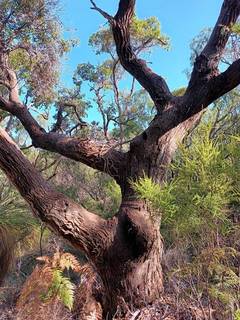
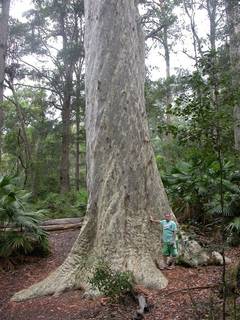
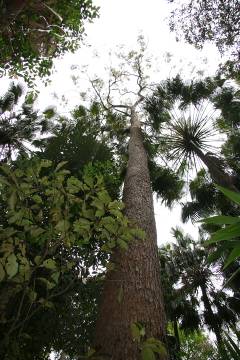
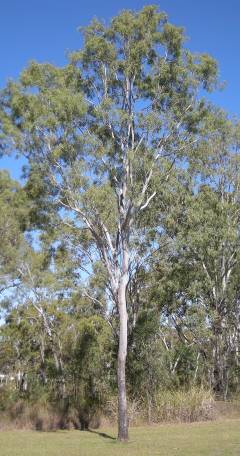
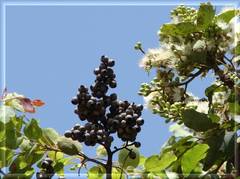
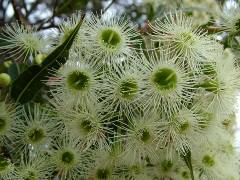
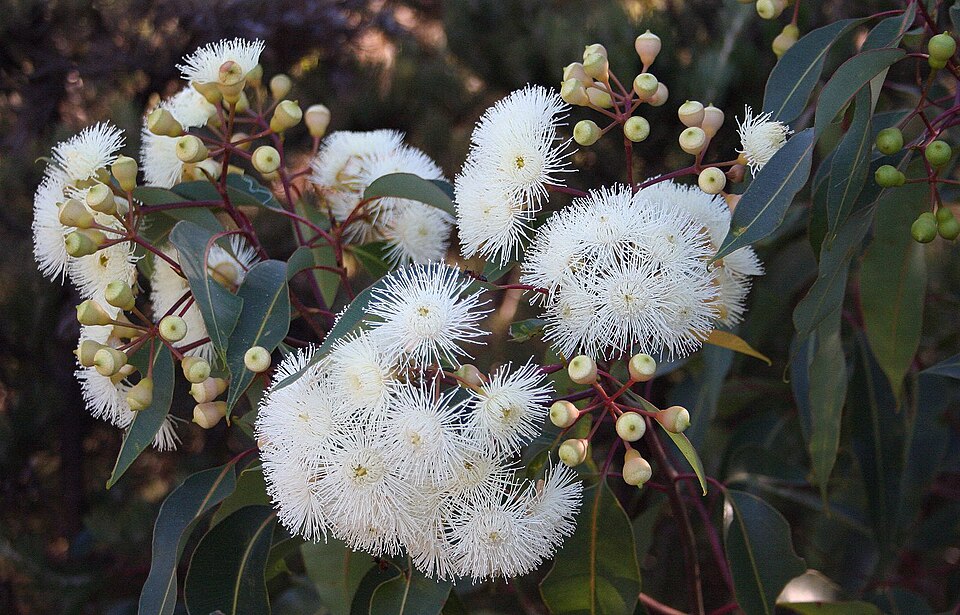
Corymbia calophylla is a large evergreen tree in the family Myrtaceae, commonly 30-100 feet (9-30 m) tall and occasionally taller, with a broad, dense crown and rough, tessellated grey-brown bark over the trunk and branches. The adult leaves are broad and lance-shaped, 3.5-6 inches (9-15 cm) long, dark green above and paler below, with a distinct network of veins. Cream to pink flowers about 1 inch (2.5 cm) across open in large clusters at the branch ends from summer into autumn, drawing many nectar-feeding birds and insects. The flowers are followed by woody, urn-shaped capsules 1.2-2 inches (3-5 cm) long that hang in clusters and persist on the tree. The trunk often exudes a dark red gum from wounds. Growth is moderate, and trees develop a spreading habit in the open and a taller form in forest. The species suits warm, dry-summer climates and grows slowly on shallow or waterlogged soils. The large persistent fruit and heavy litter accumulate beneath the canopy.
Native Range
Native to south-western Western Australia, from near Geraldton south to the south coast and east toward the Stirling Range. Grows in jarrah and marri forest, woodland, and on coastal plains, on lateritic, gravelly, and sandy soils in a winter-rainfall climate.Suggested Uses
Planted as a shade and habitat tree in large gardens, parks, and rural plantings, spaced 30-50 feet (9-15 m) apart. The nectar-rich flowers and seed draw birds, including black-cockatoos that feed on the woody fruit. The large size, heavy fruit fall, and root spread limit its use in small gardens and near structures.How to Identify
Appearance
Size & Dimensions
Height30' - 100'
Width/Spread25' - 50'
Bloom Information
Flowers from summer into autumn (December to April in its native range), with large clusters of cream to pink flowers at the branch ends. Flowering varies between years and is heavier after warm, dry summers. The flowers carry abundant nectar that draws birds, bees, and other insects.
Detailed Descriptions
Flower Description
Cream to pinkFoliage Description
Dark greenGrowing Conditions
Sun Requirements
Requires 6-12 hours of direct sunlight daily
• Full Sun: 6+ hours of direct sunlight
• Partial Shade: 3-6 hours of direct sunlight
• Full Shade: Less than 3 hours of direct sunlight
Care & Maintenance
Care Guide
Water young trees through the first two summers to establish, after which they tolerate long dry summers typical of their range. Plants need full sun and well-drained gravelly or sandy soils and grow slowly on shallow, compacted, or waterlogged ground. The species is adapted to low-phosphorus soils, so high-phosphorus fertilisers are kept away from the roots. Marri is susceptible to canker and to the root-rot pathogen Phytophthora cinnamomi in poorly drained sites. The large size and spreading roots need room away from buildings and paving. Fallen flowers, capsules, and bark form heavy litter beneath the canopy.Pruning
Young trees can be shaped to a clear trunk by removing low branches over the first few years. Mature trees need little pruning beyond removing dead or hazardous limbs. Large wounds exude red gum and heal slowly, so cuts are kept small.Pruning Schedule
Prune: June–July
winter