Cordyline, Genus, fruticosa, Species,
- Genus & species
ti plant
Southeast Asia, Papua New Guinea, Australia
Overview
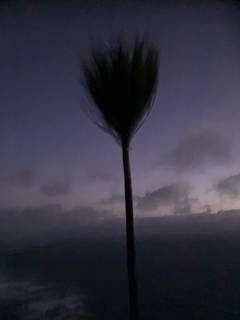
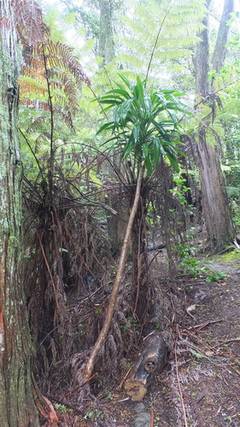
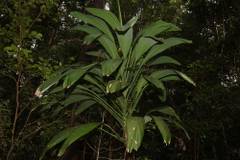
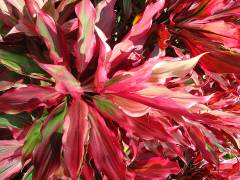
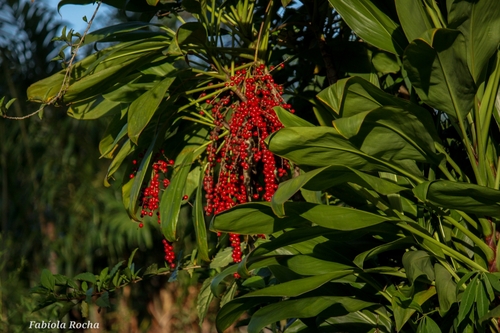
Cordyline fruticosa is the ti plant, growing 36–120 inches (90–300 cm) tall on a single woody stem. Long sword-shaped leaves 12–24 inches (30–60 cm) long and 2–5 inches (5–13 cm) wide arranged in a terminal rosette — the color range across cultivars spans solid green, deep red, pink, burgundy, and multicolor combinations of red, pink, green, and cream. The species name 'fruticosa' means 'shrubby.' Not a palm — in the family Asparagaceae. Culturally significant throughout Polynesia, where the leaves are used for food wrapping, cooking, ceremonial garments, and thatching. In Hawaiian culture, the plant (kī) has spiritual significance and is planted around homes for protection. Fragrant white to pale pink flowers in panicles 12–24 inches (30–60 cm) on mature outdoor specimens, followed by red berries. Toxic to cats and dogs (saponins cause gastrointestinal symptoms). Native to Southeast Asia, Papua New Guinea, and northern Australia. Frost-tender: foliage damage below 40°F (4°C). Container culture with indoor winter storage in zones below 10. Bright indirect to full sun — the colored-leaf cultivars need more light to maintain their pigmentation; low light shifts foliage toward green. The lower leaves drop naturally as the plant grows, leaving a bare woody stem topped by a leaf rosette. Overwatering causes root rot. Growth rate is moderate.
Native Range
Native to Southeast Asia, Papua New Guinea, and northern Australia, where it grows in tropical and subtropical forests. Widely cultivated and naturalized throughout Polynesia and the Pacific Islands.Suggested Uses
Grown in containers of 3–5 gallons (12–20 liters) in bright indirect to full sun. Outdoors year-round in zones 10–12. The single-stem leaf rosette form suits patio containers and tropical plantings. Toxic to cats and dogs.How to Identify
Appearance
Size & Dimensions
Height3' - 10'
Width/Spread2' - 4'
Bloom Information
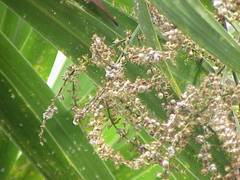
Fragrant white to pale pink flower panicles 12–24 inches (30–60 cm) on mature outdoor specimens in spring to summer. Red berries follow. Flowering is rare on young indoor plants.
Detailed Descriptions
Flower Description
White to pale pink, fragrantFoliage Description
Variable: green, red, pink, burgundy, multicolor depending on cultivarGrowing Conditions
Sun Requirements
Requires 4-8 hours of direct sunlight daily
• Full Sun: 6+ hours of direct sunlight
• Partial Shade: 3-6 hours of direct sunlight
• Full Shade: Less than 3 hours of direct sunlight
Care & Maintenance
Care Guide
Bright indirect to full sun — more light intensifies colored-leaf cultivar pigmentation; low light shifts toward green. Keep soil evenly moist; avoid waterlogging (root rot). Frost-tender below 40°F (4°C). Toxic to cats and dogs (saponins). Humidity above 50%. Lower leaves drop naturally.Pruning
Remove yellowed or damaged lower leaves. If the stem becomes too tall and leggy, it can be cut back — the stem resprouts below the cut. The cut-off top section can be rooted in water or soil.Container Growing
Suitable for container growing
Minimum container size: 3 gallons