Cordyline, Genus, australis, Species,
- Genus & species
New Zealand cabbage tree
New Zealand (North and South Islands, coastal lowlands to montane shrublands to ~3,300 feet / 1,000 m)
Overview
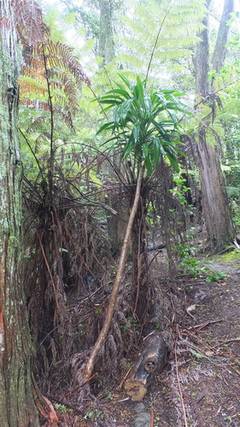
Cordyline australis is a tree-like monocot in the family Asparagaceae, native to New Zealand. Young plants form a stemless rosette of sword-shaped leaves; over several years a stout trunk develops, eventually reaching 10-30 feet (3-9 m) tall in the ground in frost-free climates, with a spread of 6-10 feet (1.8-3 m). Leaves are long narrow strap-like blades 1-3 feet (30-90 cm) long and 1-2 inches (2.5-5 cm) wide, radiating from the growing tip in fountain-like clusters. Leaf color in the species is gray-green; cultivars range through burgundy-red, bronze, pink-striped, and cream-variegated forms. At maturity, typically after 3-5 years, plants produce large branched panicles 2-4 feet (60-120 cm) long of small creamy-white fragrant flowers in early summer, followed by whitish berries that persist into fall. Growth rate is moderate when planted in the ground and slower in containers. Hardy to approximately 15 F (-9 C) when established; top growth is killed at lower temperatures, though plants often regenerate from the base or underground stems. The single apical meristem at each growing tip means tip damage ends growth on that stem, which makes pruning decisions at the growing point irreversible.
Native Range
Cordyline australis is native throughout New Zealand, from coastal lowlands to montane shrublands up to approximately 3,300 feet (1,000 m) elevation, in open forest, scrubland, stream margins, and disturbed ground. It is among the widely distributed native trees on both main islands.Suggested Uses
Grown as a specimen or accent plant in mixed borders and containers in USDA zones 8-11. Container culture in 15-25 gallon (57-95 L) pots supports overwintering indoors in colder climates. Used in Mediterranean-style, coastal, and architectural plantings for the fountain-like foliage form. Basal offshoots from spreading underground stems can be separated and potted. Sites with poor drainage, sustained exposure to temperatures below 15 F (-9 C) in-ground, or heavy shade fall outside the use range.How to Identify
Appearance
Size & Dimensions
Height3' - 30'
Width/Spread3' - 10'
Bloom Information
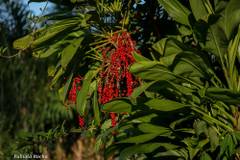
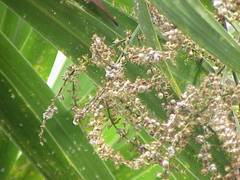
Branched panicles 2-4 feet (60-120 cm) long of small creamy-white fragrant flowers, borne in early summer (May-June in the Northern Hemisphere) on mature plants typically 3-5 years old or older. Small whitish berries follow the flowers and persist into fall. Bloom may skip years on container-grown plants or in marginal climates.
Detailed Descriptions
Flower Description
Creamy-white; branched panicles 2-4 feet (60-120 cm); fragrant; May-June on mature plants; followed by whitish berriesFoliage Description
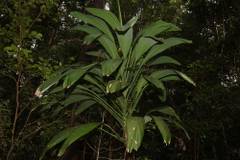
Gray-green in the species; burgundy-red, bronze, pink-striped, or cream-variegated in cultivars; sword-shaped 1-3 feet (30-90 cm) long and 1-2 inches wide; fountain-like arrangement; evergreenGrowing Conditions
Sun Requirements
Requires 6-8 hours of direct sunlight daily
• Full Sun: 6+ hours of direct sunlight
• Partial Shade: 3-6 hours of direct sunlight
• Full Shade: Less than 3 hours of direct sunlight
Care & Maintenance
Care Guide
Grows in full sun in well-drained soil at pH 5.5-7.0; waterlogged soils cause root rot. A wide range of soil textures including sandy and rocky soils is tolerated. Hardy to USDA zone 8. Drought tolerance develops after the second growing season. In zones 8 and colder, container culture at 15-25 gallons (57-95 L) or larger allows a move to a frost-free location when temperatures fall below 20 F (-7 C). Light spring fertilization with a balanced product is adequate; high-nitrogen feeding produces soft floppy growth. Damaged lower leaves are removed as they brown; green leaves are left in place.Pruning
Dead or damaged lower leaves are removed at the base once they have died back naturally. The growing tip is left intact because each stem has only one apical meristem and cutting it ends growth on that stem (basal shoots may later develop). When frost kills top growth, damaged stems can be cut to ground level in spring; new shoots typically emerge from the base within 4-8 weeks.Pruning Schedule
Prune: March–April
early spring
Container Growing
Suitable for container growing
Minimum container size: 15 gallons