Conospermum, Genus, taxifolium, Species,
- Genus & species
paint brush
Overview
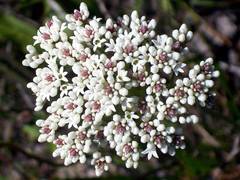
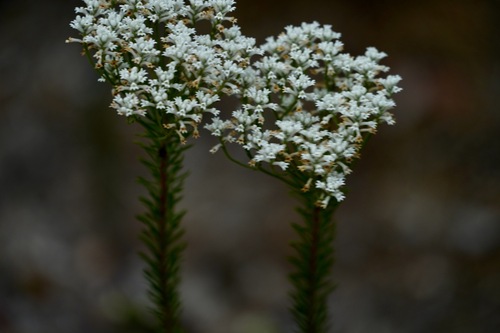
Conospermum taxifolium is an evergreen shrub reaching 1.5-5 feet (0.5-1.5 m) tall and 1.5-3 feet (45-90 cm) wide, with an upright, sometimes straggly form. The narrow leaves are 0.4-2 inches (1-5 cm) long, stiff, and crowded along the stems. Small tubular flowers, woolly and grey-white to cream, are massed in branched clusters at the stem tips through late winter and spring, giving the clusters a soft, smoky appearance. The flowers are followed by small hairy nuts. The flowers are visited by native bees and other insects. Growth is moderate, and plants reach full size within 2-3 years. The species grows on poor, sandy soils and is sensitive to high phosphorus and to poor drainage. It is short-lived in cultivation, often persisting 4-6 years, and can be difficult to keep going in gardens outside its sandy heath habitat.
Native Range
Native to eastern Australia, along the coast and ranges of New South Wales and southern Queensland. Grows in heath and dry sclerophyll woodland on low-nutrient sandy and sandstone-derived soils.Suggested Uses
Planted in native and low-water gardens with sharp drainage and in rockeries, spaced 24-36 inches (60-90 cm) apart. The flower clusters are used in fresh and dried arrangements. The short lifespan and drainage needs limit use in heavy or wet soils.How to Identify
Appearance
Size & Dimensions
Height1'6" - 5'
Width/Spread1'6" - 3'
Bloom Information
Detailed Descriptions
Flower Description
Grey-white to creamFoliage Description
Green to grey-greenGrowing Conditions
Sun Requirements
Requires 6-9 hours of direct sunlight daily
• Full Sun: 6+ hours of direct sunlight
• Partial Shade: 3-6 hours of direct sunlight
• Full Shade: Less than 3 hours of direct sunlight
Care & Maintenance
Care Guide
Grows in full sun in sharply drained sandy or gravelly soils of low fertility. Plants need occasional water until established, after which they tolerate extended drought. Low-phosphorus fertiliser suits the plant, as members of Proteaceae are damaged by high phosphorus. Poor drainage and rich soils cause root rot. Lifespan in cultivation is typically 4-6 years. Raised beds or containers improve drainage in higher-rainfall districts.Pruning
Light tip-pruning after flowering keeps the plant compact and removes spent flower clusters. Cutting into bare old wood may not produce new shoots. Tip-pruning young plants encourages a denser form.Pruning Schedule
Prune: November–December
spring
Container Growing
Suitable for container growing
Minimum container size: 3 gallons