Conospermum, Genus, spp., Multiple species,
- Genus
- Multiple species
smokebush
Australia, chiefly south-western Western Australia
Overview
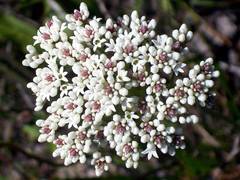
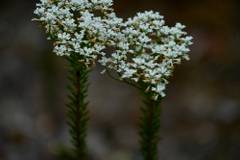
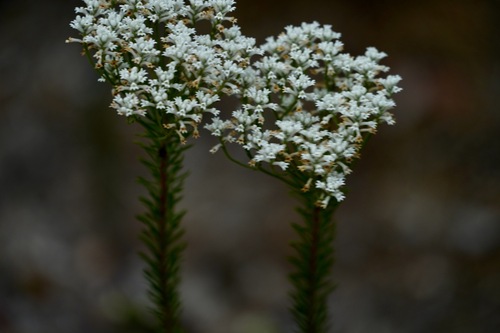
Conospermum is a genus of about 50 species of evergreen shrubs in the Proteaceae, all native to Australia and most concentrated in the south-west of Western Australia. The common name smokebush comes from the dense heads of tiny woolly flowers, which in pale blue-grey and white species create a soft, smoky haze over the foliage when in full bloom. Across the genus, plants range from low, wiry subshrubs about 1 foot (30 cm) tall to upright shrubs near 10 feet (3 m), with a spread of 1 to 6 feet (0.3 to 1.8 m). The leaves are narrow, leathery, and often grey-green, and the small tubular flowers are densely hairy, carried in branched panicles above the canopy in spring. Flower colour runs from grey-blue through mauve to white across the species, and the flowers are followed by small hairy nut-like fruits. Plants grow in sandy heath and open woodland on freely draining, low-nutrient soils. Like other Proteaceae, the genus is sensitive to high phosphorus and to root disturbance, and many species are short-lived and slow to establish in cultivation.
Native Range
Native to Australia, with the great majority of species occurring in the south-west of Western Australia and a smaller number in the eastern states.Suggested Uses
Grown in native, coastal, and water-wise gardens on sandy soils, and the flowering stems are cut for use in fresh and dried arrangements. Suited to low-nutrient banks and heath-style plantings.How to Identify
Appearance
Size & Dimensions
Height1' - 10'
Width/Spread1' - 6'
Bloom Information
Flowering is concentrated in spring, when branched panicles of small woolly flowers rise above the foliage. Flower colour ranges from grey-blue and mauve to white across the genus. The hazy flower heads can persist for several weeks before fading.
Detailed Descriptions
Flower Description
Grey-blue, mauve, to whiteFoliage Description
Grey-greenGrowing Conditions
Sun Requirements
Requires 6-12 hours of direct sunlight daily
• Full Sun: 6+ hours of direct sunlight
• Partial Shade: 3-6 hours of direct sunlight
• Full Shade: Less than 3 hours of direct sunlight
Care & Maintenance
Care Guide
Most species grow in full sun on sharply draining sandy or gravelly soils that are low in nutrients, with pH from 5.0 to 6.5. Water needs are low once established, and plants tolerate dry summers. Like other Proteaceae, the genus is intolerant of high-phosphorus fertiliser and of wet, heavy soils. Most species are frost-sensitive, hardy in roughly USDA zones 9 to 11. Plants resent root disturbance and are slow and sometimes difficult to establish.Pruning
Light tip pruning after flowering keeps shrubs bushy, taking care not to cut into bare old wood, which is slow to reshoot. Spent flower panicles can be removed once they fade. Hard renovation pruning is poorly tolerated.Pruning Schedule
Prune: November–December
late spring