Conospermum, Genus, longifolium, Species,
- Genus & species
smoke bush
Overview
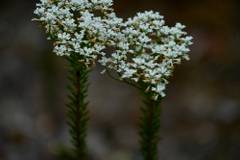
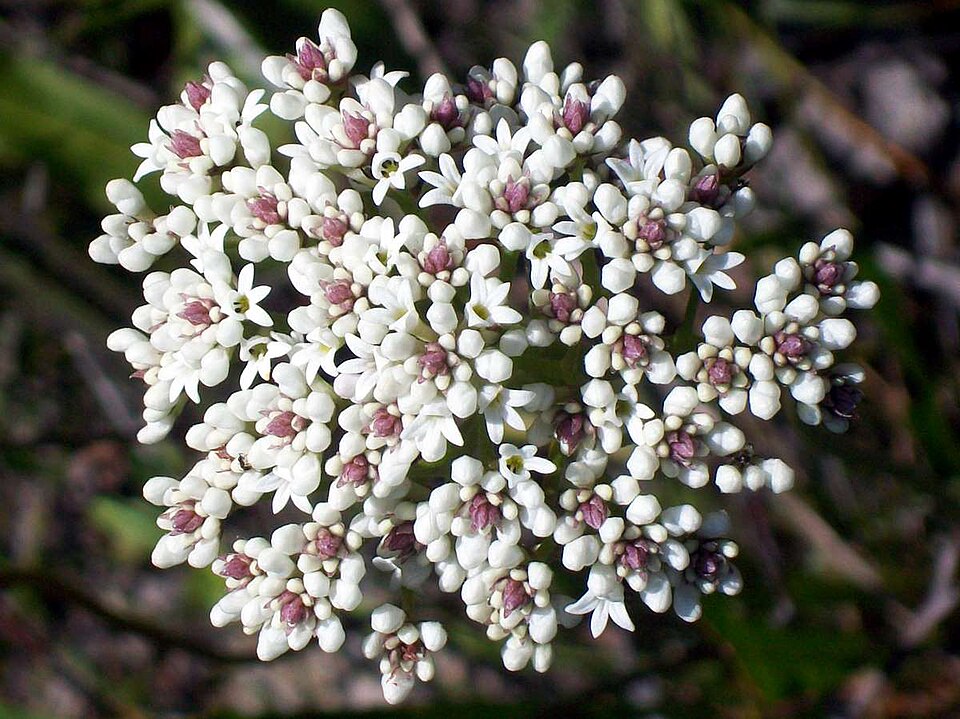
Conospermum longifolium is an erect shrub growing 3-7 feet (1-2 m) tall, with long, narrow leaves 4-12 inches (10-30 cm) long and about 0.2-0.6 inch (5-15 mm) wide. Branched flowering panicles rise above the foliage carrying many small tubular flowers, each about 0.2-0.3 inch (5-8 mm) long and covered in soft grey to blue-grey hairs. The massed hairy flowers give the panicles a soft, smoky grey appearance, which is the origin of the common name. Flowering occurs mainly in spring. Small nut-like fruits with a tuft of hairs follow. The shrub grows on sandstone heath and woodland in sandy, low-nutrient, well-drained soils. It is sensitive to phosphorus-rich fertilizers, as are other members of the family, and grows poorly in rich or poorly drained soils.
Native Range
Native to eastern New South Wales, Australia, mainly in the coastal and near-coastal sandstone country around and north of Sydney. Grows in heath and dry sclerophyll woodland on sandy, low-nutrient soils derived from sandstone.Suggested Uses
Planted in native and low-water gardens, heath plantings, and sandy coastal gardens at 3-5 feet (1-1.5 m) spacing. The grey-blue flower panicles are used in cut and dried arrangements. It suits free-draining, low-nutrient sites rather than rich or irrigated garden beds.How to Identify
Appearance
Size & Dimensions
Height3' - 7'
Width/Spread3' - 5'
Bloom Information
Flowers mainly in spring, from about August to November in eastern New South Wales. The smoky grey-blue panicles open over several weeks. Flowering can be heavier in the seasons following fire, which stimulates many heathland plants.
Detailed Descriptions
Flower Description
Grey to blue-greyFoliage Description
GreenGrowing Conditions
Sun Requirements
Requires 5-9 hours of direct sunlight daily
• Full Sun: 6+ hours of direct sunlight
• Partial Shade: 3-6 hours of direct sunlight
• Full Shade: Less than 3 hours of direct sunlight
Care & Maintenance
Care Guide
Grows in full sun to light shade in sandy, low-nutrient, well-drained soils and tolerates dry conditions once established. It is adapted to low-phosphorus soils, and phosphorus-rich fertilizers can damage or kill the roots, as in other family members. Water during establishment, then only in extended dry spells, as wet, poorly drained soils can cause root problems. It grows poorly in heavy clay or fertile garden soil. Plants can be short-lived and are often replaced after several years. Root-rot fungi affect plants in soils that stay wet.Pruning
Tip-prune lightly after flowering to maintain a bushy shape, cutting into leafy growth rather than bare wood. Cutting back hard into old wood may not produce new shoots. Spent flower panicles can be removed to keep the shrub tidy.Container Growing
Suitable for container growing
Minimum container size: 5 gallons