Clinopodium, Genus, vulgare, Species,
- Genus & species
wild basil
Overview
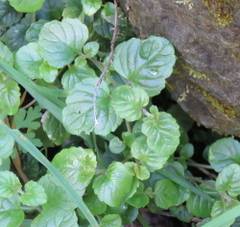
Clinopodium vulgare is an upright, softly hairy perennial 8-24 inches (20-60 cm) tall with square stems rising from a creeping rootstock. The paired leaves are oval, 0.8-2 inches (2-5 cm) long, shallowly toothed, and slightly downy, with a faint thyme- or basil-like scent when crushed. From midsummer into autumn it carries rounded whorls of small two-lipped flowers in the upper leaf axils and at the stem tip, the pink to rosy-purple blooms backed by narrow, bristly bracts. Each whorl opens over several weeks and draws bees and other long-tongued insects. C. vulgare grows on dry banks, grassland, scrub, hedgerows, and woodland edges, mostly on chalky or limy soils, across Europe, Asia, and North America. It spreads slowly by rhizome and by seed without becoming aggressive. The thin stems can lean in shade or on rich ground.
Native Range
Clinopodium vulgare has a wide circumboreal range across Europe, temperate Asia, North Africa, and North America. It grows in dry, sunny grassland, scrub, and woodland margins, often on calcareous soils.Suggested Uses
Planted in herb gardens, dry banks, gravel gardens, and pollinator borders on poor, limy soil. It is grown as a nectar source for bees and butterflies and for its aromatic foliage. The tiered pink flowers suit wildlife and naturalistic plantings.How to Identify
Appearance
Size & Dimensions
Height8" - 2'
Width/Spread8" - 1'4"
Bloom Information
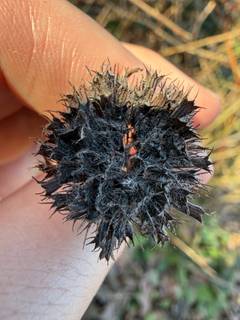
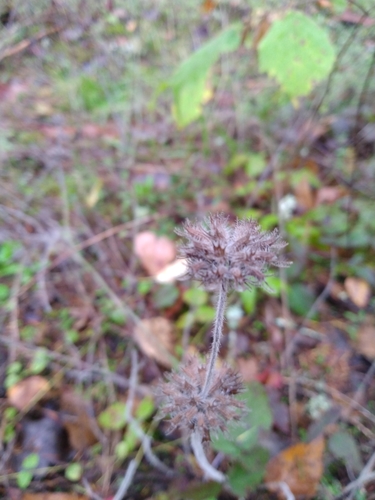
Flowering runs from July to September. Whorls of pink-purple flowers open in tiers up the stem over many weeks. Small nutlets ripen in the persistent calyces through autumn.
Detailed Descriptions
Flower Description
pink to purpleFoliage Description
greenGrowing Conditions
Sun Requirements
Requires 4-12 hours of direct sunlight daily
• Full Sun: 6+ hours of direct sunlight
• Partial Shade: 3-6 hours of direct sunlight
• Full Shade: Less than 3 hours of direct sunlight
Care & Maintenance
Care Guide
Grow Clinopodium vulgare in full sun to light shade on dry, well-drained soil, including chalk, sand, and loam, at a neutral to alkaline pH. It is hardy through USDA zones 5 to 9, withstands drought once established, and needs no feeding on lean ground. The plant spreads gently by rhizome and self-seeds in open soil without crowding neighbours. In shade or rich soil the stems grow taller and lean, so a sunny, open site keeps them compact. Cutting back after flowering tidies the plant and can bring a few later blooms. Division in spring or autumn renews older clumps.Pruning
Cut stems back after the main flush of flower to neaten growth and limit self-seeding. Shear the plant to the base in late autumn or early spring. Divide crowded clumps every few years to keep them vigorous.Container Growing
Suitable for container growing
Minimum container size: 2 gallons