Clinopodium, Genus, spp., Multiple species,
- Genus
- Multiple species
calamints
Temperate and subtropical Europe, Asia, Africa, and the Americas
Overview
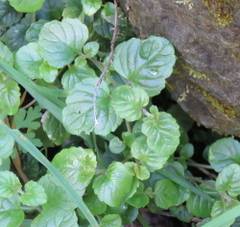
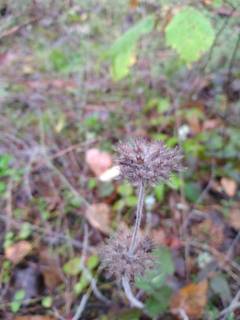
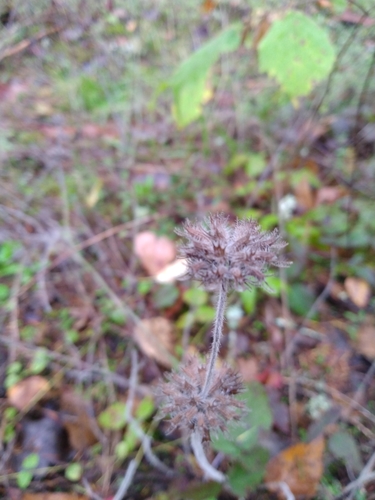
Clinopodium is a genus of about 100 aromatic perennials and subshrubs in the mint family, Lamiaceae, spread across temperate and subtropical regions of Europe, Asia, Africa, and the Americas. Plants form bushy mounds of square stems and small, opposite, mint-scented leaves, topped through summer and autumn by loose whorls of small, two-lipped flowers in white, pink, lilac, or purple. Calamint C. nepeta and wild basil C. vulgare are the familiar members. The long bloom and aromatic foliage draw many bees and other pollinators. Plants can self-seed and spread at the root, and the individual flowers are small, often under 0.5 inch (12 mm), which are the main limitations.
Native Range
Native across temperate and subtropical Europe, Asia, Africa, and the Americas, with several species native to North America. Plants grow on dry banks, rocky slopes, grassland, and open woodland.Suggested Uses
Planted in herb gardens, gravel and rock gardens, and the front of sunny borders, and massed as a pollinator planting. The aromatic foliage suits paths and edges where it is brushed in passing.How to Identify
Appearance
Size & Dimensions
Height8" - 2'
Width/Spread1' - 2'
Bloom Information
Detailed Descriptions
Flower Description
white, pink, lilac, or purpleFoliage Description
green to grey-green, aromaticGrowing Conditions
Sun Requirements
Requires 6-8 hours of direct sunlight daily
• Full Sun: 6+ hours of direct sunlight
• Partial Shade: 3-6 hours of direct sunlight
• Full Shade: Less than 3 hours of direct sunlight
Care & Maintenance
Care Guide
Clinopodium grows in full sun and well-drained soil and is drought tolerant once established. It accepts poor, dry, and alkaline soils and is hardy to about USDA zone 5 (-20°F / -29°C). Plants need little feeding, as rich soil produces floppy growth. A shear after the first flush prompts a fresh round of bloom. Plants self-seed in open ground and can be lifted and divided in spring.Pruning
A midseason shear removes spent flowers, prompts rebloom, and keeps the mound tidy. Plants are cut back close to the ground in late winter. Self-sown seedlings are easily pulled where they are not wanted.Container Growing
Suitable for container growing
Minimum container size: 2 gallons