Cleomella, Genus, spp., Multiple species,
- Genus
- Multiple species
beeplant
Overview
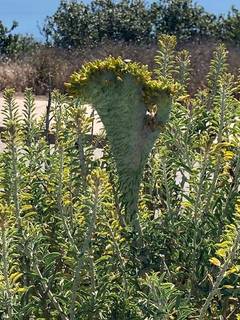
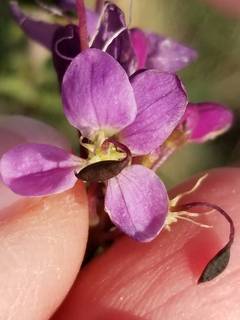
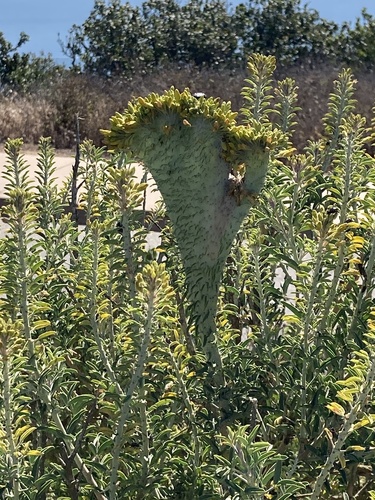
Cleomella is a genus of annual and perennial herbs and subshrubs in the family Cleomaceae, native to western North America from the western United States into Mexico. Following recent reclassification the genus holds roughly 25 species, including plants once placed in Peritoma, and ranges from low annuals a few inches high to woody-based subshrubs 3-6 feet (0.9-1.8 m) tall. The leaves are palmately compound, usually with three narrow leaflets, and often carry a sharp scent when bruised. Flowers open in elongating clusters and bear four petals in yellow, or pink to purple in species such as the Rocky Mountain beeplant (C. serrulata), with long projecting stamens that give the heads a spidery look. Pollinated flowers form short, often diamond-shaped or inflated pods held on slender stalks. Most species grow on alkaline, saline, or clay soils of desert flats, washes, and disturbed ground where few other plants persist. The flowers draw bees and other insects, and several species are used in restoration of arid land. Annual species complete their cycle quickly after rain, while the subshrubs persist for several years. Hard frost and waterlogged soil both limit the genus.
Native Range
Cleomella is native to western North America, centred on the deserts, plateaus, and plains of the western United States and northern Mexico, with the Rocky Mountain beeplant reaching the Great Plains. It grows on alkaline and saline flats, clay pans, washes, and roadsides, often in open, sunny ground.Suggested Uses
Cleomella is grown in dryland, native, and pollinator gardens and in restoration of disturbed arid land, where the nectar-rich flowers support bees over a long season. The taller beeplant suits the back of informal borders, while low annual species mix into wildflower seedings. Its preference for alkaline desert soil makes it less suited to rich, moist gardens.How to Identify
Appearance
Size & Dimensions
Height6" - 6'
Width/Spread1' - 2'
Bloom Information
Flowering occurs from late spring through summer, roughly May to September, and is heaviest after seasonal rains. The clustered flowers open from the base upward over several weeks and draw many bees. Seed pods follow quickly, and annual species may flower and set seed within a single wet season.
Detailed Descriptions
Flower Description
yellow to pink-purpleFoliage Description
greenGrowing Conditions
Sun Requirements
Requires 6-12 hours of direct sunlight daily
• Full Sun: 6+ hours of direct sunlight
• Partial Shade: 3-6 hours of direct sunlight
• Full Shade: Less than 3 hours of direct sunlight
Care & Maintenance
Care Guide
Cleomella grows in full sun on sharply drained alkaline, saline, or clay soils and needs little water once established. Annual species are sown from seed in autumn or early spring and germinate after rain, while the subshrubs tolerate heat, drought, and poor ground. Rich or overwatered soil produces weak, short-lived growth. Most species are hardy in USDA zones 5-9, with the desert subshrubs less cold-tolerant than the wide-ranging beeplant. Plants reseed where soil is bare and open. Lean conditions and full sun keep growth sturdy.Pruning
Cut back subshrubby species by up to one-third in early spring to remove old, woody growth and keep a dense habit. Clear away spent annual plants once they set seed if self-sowing is not wanted. The annual species need no pruning.Toxicity
Non-toxicPlanting Guide
Planting Methods & Timing
Planting Method
direct sow
Direct Sow Timing
Autumn or early spring