Chasmanthium, Genus, spp., Multiple species,
- Genus
- Multiple species
northern sea oats
Eastern and central United States and northeastern Mexico
Overview
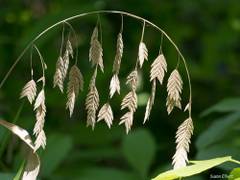
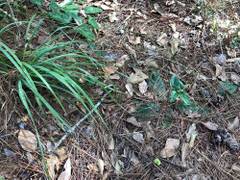
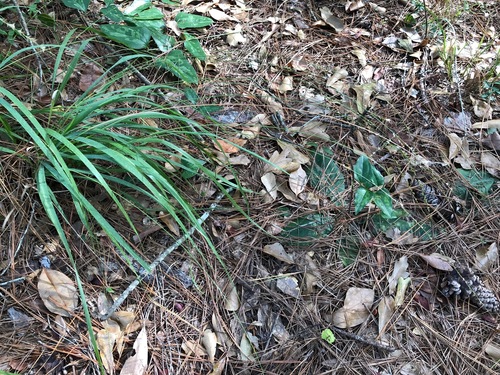
Chasmanthium is a genus of about five species of perennial grasses in the family Poaceae, native to the eastern and central United States and northeastern Mexico. The widely grown C. latifolium, called northern sea oats or river oats, forms upright to arching clumps 2 to 4 feet (60 to 120 cm) tall, with broad, bamboo-like green leaves along the stems. From late summer it carries hanging clusters of flat, oat-like seed heads (spikelets) up to 1.5 inches (4 cm) long, which dangle on thread-like stalks and rustle in wind. The flat seed heads start green, then ripen through coppery pink to tan and finally brown, holding on the plant into winter. The foliage turns yellow to coppery in autumn. C. latifolium grows naturally in moist woodland, streambanks, and shaded slopes, tolerating more shade than most ornamental grasses. It spreads by short rhizomes and by self-sown seed, which can make it weedy in good conditions. Other species are smaller and less often grown.
Native Range
Chasmanthium is native to North America, mainly the eastern and central United States from Pennsylvania and Illinois south to Florida and Texas, and into northeastern Mexico, growing in moist woods, floodplains, and streamsides.Suggested Uses
Grown in woodland gardens, shaded borders, rain gardens, streambanks, and naturalistic plantings, and used for erosion control on shaded slopes. The hanging seed heads are cut fresh or dried for arrangements. It reads well in mass plantings and among shrubs.How to Identify
Appearance
Size & Dimensions
Height2' - 4'
Width/Spread1'6" - 3'
Bloom Information
The flat flowering and seed heads appear from midsummer into autumn, hanging in open clusters that shift colour from green to pink-bronze to tan. They persist on the plant well into winter, fading to brown. Pollination is by wind, and the seeds drop or are carried off through the cold months.
Detailed Descriptions
Flower Description
green ripening to pink-bronze and tanFoliage Description
green, turning yellow to coppery in autumnGrowing Conditions
Sun Requirements
Requires 2-8 hours of direct sunlight daily
• Full Sun: 6+ hours of direct sunlight
• Partial Shade: 3-6 hours of direct sunlight
• Full Shade: Less than 3 hours of direct sunlight
Care & Maintenance
Care Guide
Northern sea oats grows in full sun to full shade in average to moist, well-drained soil, across a pH range of about 5.5 to 7.5, and tolerates more shade than most grasses. It also withstands wet ground, clay, and occasional flooding. In full sun it stays upright with stronger colour, while in shade it grows looser and arching. The plant self-seeds freely, so cutting the seed heads before they drop limits unwanted spread. Clumps are divided in spring to renew them or to control size. It has few pests and needs little feeding.Pruning
Cut the clump back to a few inches above the ground in late winter or early spring before new growth starts. Removing the seed heads in autumn reduces heavy self-seeding. Old foliage is left over winter for its tan colour and then cleared.Pruning Schedule
Prune: February–March
early spring
Container Growing
Suitable for container growing
Minimum container size: 3 gallons