Chaenactis, Genus, spp., Multiple species,
- Genus
- Multiple species
pincushion plants
Overview
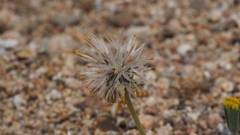
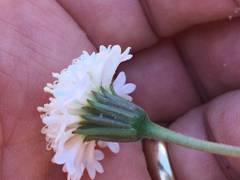
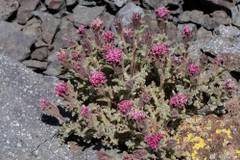
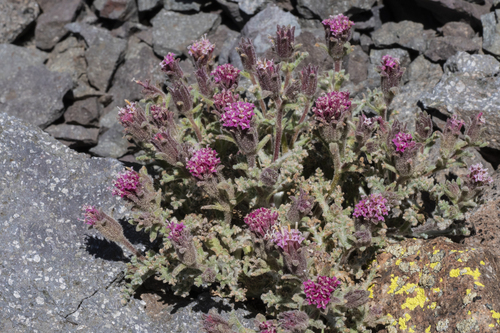
Chaenactis is a genus of about 20 species of annual, biennial, and perennial herbs in the family Asteraceae, native to dry regions of western North America. Known as pincushion plants or dustymaidens, they grow 2-16 in (5-40 cm) tall from a taproot, often forming low rosettes of finely divided, gray-green foliage covered in woolly hairs. The flower heads lack ray florets and consist entirely of disc florets, forming a domed, pincushion-like cluster 0.4-1 in (1-2.5 cm) across. Florets range from white and cream to pale pink, with the outer florets sometimes enlarged. Most species occupy sandy or gravelly desert flats, scrub, and dry montane slopes, blooming after winter and spring rains. Several annual species germinate, flower, and set seed within a single season, while perennial species persist as woody-based clumps. The foliage is aromatic in some species. Plants are adapted to low-water, high-light environments and decline in rich, moist garden soil, where the taproot is prone to rot.
Native Range
Chaenactis is native to western North America, from British Columbia south through the western United States to northern Mexico. The greatest concentration of species occurs in California and the Great Basin. Plants grow in deserts, sagebrush scrub, and dry montane habitats.Suggested Uses
Grown in rock gardens, desert and dryland plantings, and native wildflower seed mixes in arid regions. The disc-flower heads draw native bees and other small pollinators. Plants suit gritty, low-water beds where richer soils would cause decline.How to Identify
Appearance
Size & Dimensions
Height2" - 1'4"
Width/Spread4" - 1'
Bloom Information
Flowering occurs mainly from spring into early summer, typically March to June, with desert annuals blooming earlier after winter rains. At higher elevations some perennial species flower into July and August. Bloom timing depends heavily on seasonal rainfall.
Detailed Descriptions
Flower Description
white to cream and pale pinkFoliage Description
gray-greenGrowing Conditions
Sun Requirements
Requires 6-12 hours of direct sunlight daily
• Full Sun: 6+ hours of direct sunlight
• Partial Shade: 3-6 hours of direct sunlight
• Full Shade: Less than 3 hours of direct sunlight
Water & Climate
Water Needs
Drought Tolerance
Drought tolerant when established
Care & Maintenance
Care Guide
Plants require full sun and sharp, fast-draining sandy or gravelly soil with a pH near 6.0 to 8.0. They tolerate drought once established and decline in wet, fertile soils, which cause root rot. Annual species are grown from seed sown in autumn or early spring in place, since the taproot reestablishes poorly after transplanting. Watering is minimal once seedlings settle in. Plants set seed freely and may self-sow in open, gritty ground.Pruning
Pruning is generally not required. Spent flower heads are removed to limit self-seeding, or left to ripen for collecting seed. Annual species die after setting seed and are cleared at the end of the season.Container Growing
Suitable for container growing
Minimum container size: 1 gallons