Cerastium, Genus, glomeratum, Species,
- Genus & species
sticky mouse-ear chickweed
SunFull Sun – Part Shade
WaterMedium
Overview
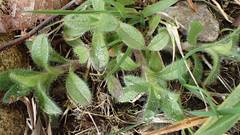
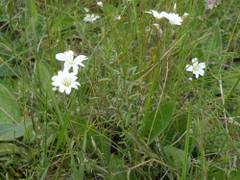
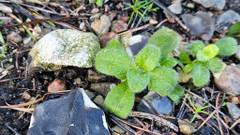
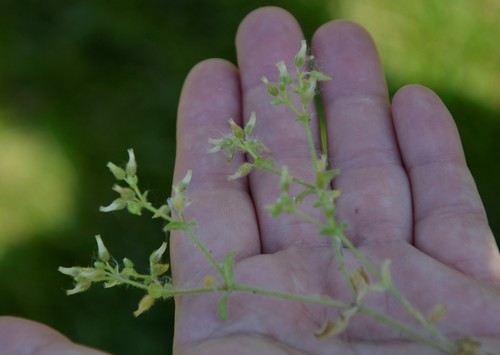
Cerastium glomeratum is a small annual in the pink family, growing 2-18 inches (5-45 cm) tall with upright to spreading stems covered in dense, sticky hairs. The light green, oval to spoon-shaped leaves are paired and softly hairy, giving the plant a grayish, fuzzy look. From late winter through spring it bears tight, head-like clusters of small white flowers about 0.2 inch (4-6 mm) across, each with five deeply notched petals roughly as long as the green, pointed sepals. The clustered flowers and very sticky, glandular hairs separate it from related chickweeds. Cerastium glomeratum germinates in fall or late winter, flowers early, sets large amounts of seed, and dies by early summer, completing its cycle quickly. It is a common weed of lawns, gardens, nursery pots, paths, and waste ground on most soils. The seeds are tiny and sticky-coated, spreading easily on tools, shoes, and animals. Its early, fast life cycle lets it seed before many control measures take effect.
Native Range
Cerastium glomeratum is native to Europe and western Asia. It has spread as a weed across nearly all temperate and subtropical regions, including North America, growing in lawns, cultivated beds, container plants, paths, and disturbed ground.Suggested Uses
Not grown on purpose; it is recorded only as a weed of lawns, beds, containers, and disturbed ground. It has no ornamental or culinary use of note. The early flowers give minor pollen and nectar to small insects at the start of the season.How to Identify
Appearance
Size & Dimensions
Height2" - 1'6"
Width/Spread4" - 10"
Bloom Information
Flowering is early, running from late winter through spring, often February to May, with dense clusters of small white flowers. The flowers are small and largely self-pollinating, though small insects visit them. Seed ripens quickly, and the plant often finishes its cycle before early summer.
Detailed Descriptions
Foliage Description
light greenGrowing Conditions
Sun Requirements
Requires 4-10 hours of direct sunlight daily
• Full Sun: 6+ hours of direct sunlight
• Partial Shade: 3-6 hours of direct sunlight
• Full Shade: Less than 3 hours of direct sunlight
Water & Climate
Water Needs
Care & Maintenance
Care Guide
Cerastium glomeratum grows in full sun to part shade on most soils, from sand to clay, across a pH of about 5.0-7.5, and favors moist, disturbed ground. As a fast winter annual it germinates in fall or late winter and flowers early, so control means removing plants before the early seed set. Shallow cultivation, mulching, and improving turf density all reduce it, since it grows in thin, open ground. It needs no feeding or watering and dies on its own by early summer. It is hardy as a cool-season annual across USDA zones 4-9. Damp, crowded conditions can bring on minor fungal leaf spotting.Pruning
No pruning is practiced on this annual. For control, plants are hoed or pulled before the flower clusters set seed. Because seed ripens early, removal is timed for late winter or early spring.Toxicity
Non-toxicPlanting Guide
Planting Methods & Timing
Planting Method
direct sow
Direct Sow Timing
fall or late winter germination as a weed
Days to Maturity
60–90 days
Plant Spacing
4 inches