Image 1 of 11
1 / 11
Plant Reference
Cephalotaxus, Genus, harringtonia, Species,
- Genus & species
Japanese plum yew
Overview
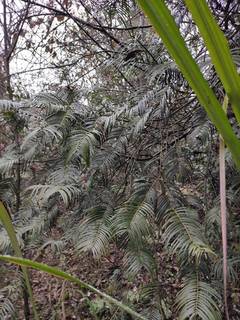
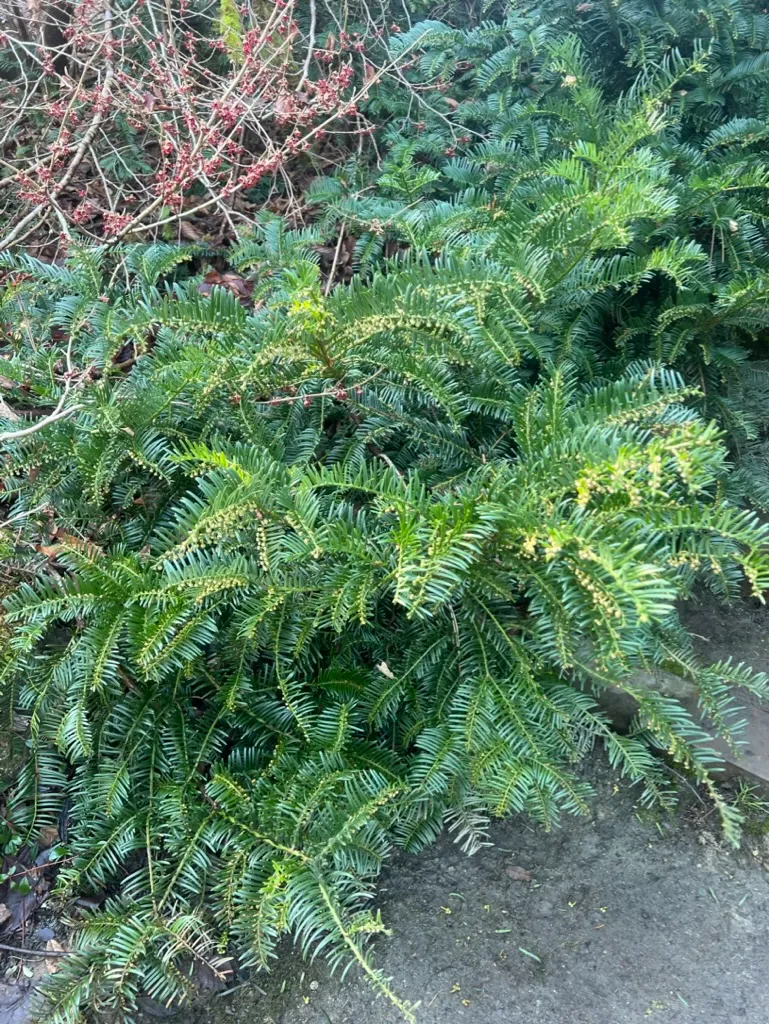
Cephalotaxus harringtonia is an evergreen coniferous shrub growing 5-10 feet (1.5-3 m) tall and 5-10 feet (1.5-3 m) wide with a spreading habit. Dark green glossy flat linear needles, 1-2 inches (2.5-5 cm) — shorter than C. fortunei (2-3.5 inches / 5-9 cm). Widely cultivated, with multiple cultivar forms: 'Fastigiata' (columnar, upright V-shaped branch arrangement, 5-10 feet / 1.5-3 m tall), 'Prostrata' (low spreading groundcover, 2-3 feet / 60-90 cm tall), and 'Duke Gardens' (compact spreading, 3-4 feet / 90-120 cm). Dioecious: female plants produce olive-shaped fleshy fruit, 1 inch (2.5 cm), ripening from green to purple-brown. The foliage contains cephalotaxine alkaloids that deter deer browsing — in contrast to Taxus, which is heavily browsed. Harringtonine and homoharringtonine, alkaloids derived from Cephalotaxus, are FDA-approved for treatment of chronic myeloid leukemia. Named after the Earl of Harrington. Native to forest understories of Japan, Korea, and eastern China. Tolerates deep shade, dry shade, and mildly alkaline soil. All parts except fruit pulp contain toxic alkaloids. Slow-growing.
Native Range
Native to forest understories of Japan, Korea, and eastern China.Suggested Uses
Grown as a shade-tolerant evergreen shrub in positions with deer pressure, spaced 5-10 feet (1.5-3 m) apart. 'Fastigiata' for columnar form; 'Prostrata' for low spreading groundcover at 2-3 feet (60-90 cm); 'Duke Gardens' for compact form at 3-4 feet (90-120 cm). Tolerates dry shade. Containers of at least 10 gallons (38 L). Seed toxic. Hardy in zones 6-9.How to Identify
Appearance
Size & Dimensions
Height5' - 10'
Width/Spread5' - 10'
Bloom Information
Spring (April) — inconspicuous. Dioecious. Female plants produce olive-shaped fleshy fruit, 1 inch (2.5 cm), ripening from green to purple-brown in fall. Fruit pulp is edible; seed is toxic.
Detailed Descriptions
Foliage Description
dark green, glossy, flat, linear needles 1-2 inches (2.5-5 cm), in two ranks or spirally arranged depending on cultivarGrowing Conditions
Sun Requirements
Tolerates up to 3 hours of direct sunlight daily
• Full Sun: 6+ hours of direct sunlight
• Partial Shade: 3-6 hours of direct sunlight
• Full Shade: Less than 3 hours of direct sunlight
Care & Maintenance
Care Guide
Site in partial shade to full shade (0-3 hours direct sun) in well-drained soil with a pH of 5.5-7.5; tolerates mildly alkaline conditions. Drought-tolerant once established, including in dry shade. Deer-resistant; the foliage contains cephalotaxine alkaloids that deter browsing. All parts except fruit pulp contain toxic alkaloids. Hardy in zones 6-9.Pruning
Tolerates pruning for shape in early spring (March) or summer (August). 'Fastigiata' maintains its columnar form without pruning. The species can be hedged. Remove dead or damaged branches as they appear. No routine pruning is needed for the natural form.Pruning Schedule
Prune: March & August
early springsummer
Container Growing
Suitable for container growing
Minimum container size: 10 gallons