Cephalotaxus, Genus, fortunei, Species,
- Genus & species
Chinese plum yew
Overview
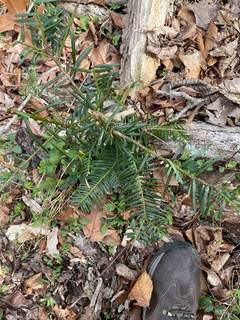
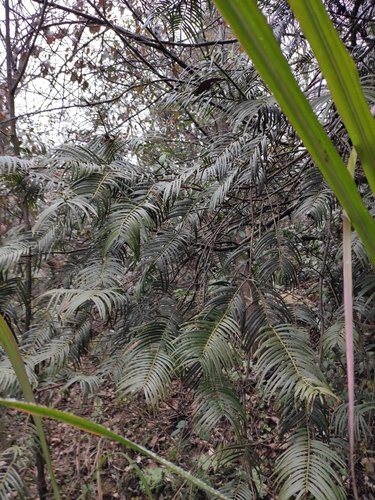
Cephalotaxus fortunei is an evergreen coniferous shrub or small tree growing 10-20 feet (3-6 m) tall and 8-15 feet (2.4-4.5 m) wide with a spreading habit. Dark green glossy flat linear needles, 2-3.5 inches (5-9 cm), are arranged in two flat ranks (pectinate) along the stems — longer than needles of C. harringtonia (1-2 inches / 2.5-5 cm). The species resembles Taxus (yew) but is separated by the longer needles and by plum-like fruit rather than red arils. Dioecious: female plants produce olive-shaped fleshy fruit, 1 inch (2.5 cm), ripening from green to purple-brown in fall; the fruit pulp is edible and sweet, but the seed contains toxic cephalotaxine alkaloids. The foliage also contains cephalotaxine, which deters deer browsing — in contrast to Taxus, which is heavily browsed. Maintains dense foliage in full shade, tolerating as little as 0-3 hours of direct sun. Named after Robert Fortune (1812-1880), Scottish plant collector in China. Native to forest understories of central and eastern China. Drought-tolerant once established in shade. All parts except fruit pulp contain toxic alkaloids. Not suited to full-sun positions in hot climates, where foliage yellows.
Native Range
Native to forest understories of central and eastern China.Suggested Uses
Grown as a shade-tolerant evergreen shrub or screening plant in positions with deer pressure, spaced 8-15 feet (2.4-4.5 m) apart. The deer resistance separates it from Taxus, which it resembles and can replace in shaded settings. Tolerates dry shade once established. Female plants produce edible fruit pulp (seed toxic). Hardy in zones 6-9.How to Identify
Appearance
Size & Dimensions
Height10' - 20'
Width/Spread8' - 15'
Bloom Information
Spring (April) — inconspicuous. Dioecious (separate male and female plants). Female plants produce olive-shaped fleshy fruit, 1 inch (2.5 cm), ripening from green to purple-brown in fall. Fruit pulp is edible; seed is toxic.
Detailed Descriptions
Foliage Description
dark green, glossy, flat, linear needles 2-3.5 inches (5-9 cm), arranged in two flat ranks (pectinate) along the stemGrowing Conditions
Sun Requirements
Tolerates up to 3 hours of direct sunlight daily
• Full Sun: 6+ hours of direct sunlight
• Partial Shade: 3-6 hours of direct sunlight
• Full Shade: Less than 3 hours of direct sunlight
Care & Maintenance
Care Guide
Site in partial shade to full shade (0-3 hours direct sun) in well-drained soil with a pH of 5.5-7.5. Drought-tolerant once established in shade. Foliage yellows in full sun in hot climates — shade is the natural growing condition. Deer-resistant; the foliage contains cephalotaxine alkaloids that deter browsing. All parts except fruit pulp contain toxic alkaloids. Hardy in zones 6-9.Pruning
Tolerates pruning for shape in early spring (March) or summer (August). The spreading form develops naturally and requires no routine pruning. Can be hedged. Remove dead or damaged branches as they appear.Pruning Schedule
Prune: March & August
early springsummer