Cephalotaxus, Genus, spp., Multiple species,
- Genus
- Multiple species
plum yew
Overview
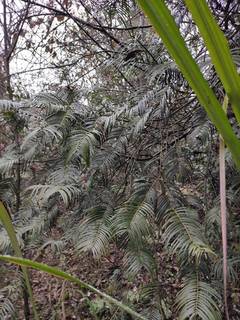
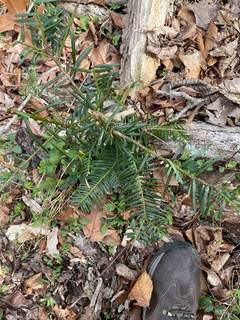
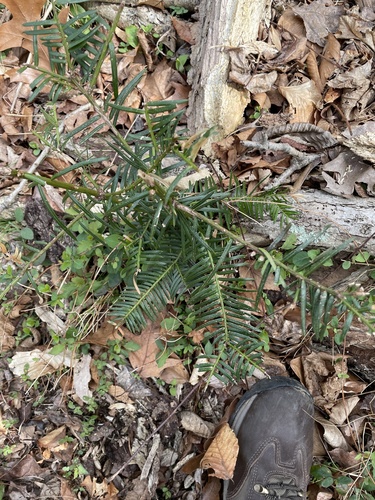
Cephalotaxus is a genus of evergreen, cone-bearing shrubs and small trees, sometimes placed in its own family Cephalotaxaceae but here treated within Taxaceae, native to eastern Asia. Plants carry flattened, two-ranked needles 1 to 3.5 inches (2.5 to 9 cm) long, dark green above with two pale bands beneath, arranged in a V along the shoots. Forms range from low, spreading shrubs to upright small trees of 15 to 30 feet (4.5 to 9 m), with C. harringtonia grown in habit forms from ground-hugging to columnar. Plants are usually dioecious, with male and female structures on separate individuals. Pollen is shed from small rounded cones clustered along the undersides of shoots, while seeds develop singly within a fleshy olive-green to brown covering 1 to 1.5 inches (2.5 to 4 cm) long that ripens over about a year, resembling a small plum. The genus tolerates deeper shade than most conifers and withstands summer heat and humidity more readily than the related true yews. Growth is slow. Seeds and foliage contain cephalotaxine alkaloids.
Native Range
Cephalotaxus species are native to eastern Asia, from the Himalayas and southern China through Korea, Japan, and Taiwan, where they grow as understorey plants in temperate and subtropical forests.Suggested Uses
Used as a shade-tolerant evergreen shrub, low hedge, foundation planting, and groundcover in the lower-growing forms. The heat tolerance makes it a substitute for yews in warm-summer regions where yews struggle.How to Identify
Appearance
Size & Dimensions
Height3' - 30'
Width/Spread4' - 15'
Bloom Information
As a conifer, Cephalotaxus does not produce true flowers. Pollen is released from small rounded male cones in late winter to early spring, around February to April. Seeds on female plants ripen the following autumn over roughly twelve months.
Detailed Descriptions
Foliage Description
dark greenGrowing Conditions
Sun Requirements
Requires 2-6 hours of direct sunlight daily
• Full Sun: 6+ hours of direct sunlight
• Partial Shade: 3-6 hours of direct sunlight
• Full Shade: Less than 3 hours of direct sunlight
Care & Maintenance
Care Guide
Plants grow in part shade to full shade and tolerate full sun only where summers are mild and soil stays moist. Moist, well-drained soil rich in organic matter suits them, across a pH range of about 5.5 to 7.0. Established plants tolerate heat, humidity, and short dry spells more readily than true yews. Growth is slow, so plants hold their shape for years with little intervention. They are largely free of pests, though scale insects appear occasionally. Sharp drainage matters, as waterlogged soil leads to root rot.Pruning
Tolerates pruning and shearing, which makes it suitable for hedging and shaping. Shearing or trimming in late spring, after new growth hardens, keeps a dense outline. Old, overgrown plants can be cut back hard and will resprout from bare wood.Pruning Schedule
Prune: May–June
late spring
Container Growing
Suitable for container growing
Minimum container size: 5 gallons