Centaurium, Genus, pulchellum, Species,
- Genus & species
lesser centaury
Overview
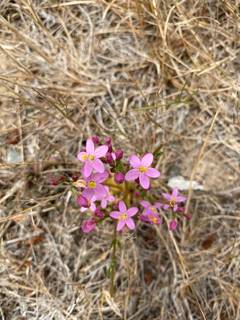
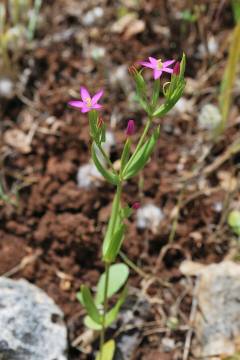
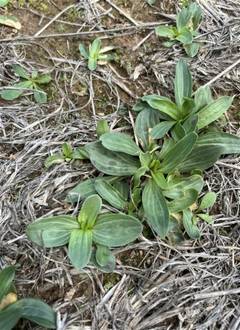
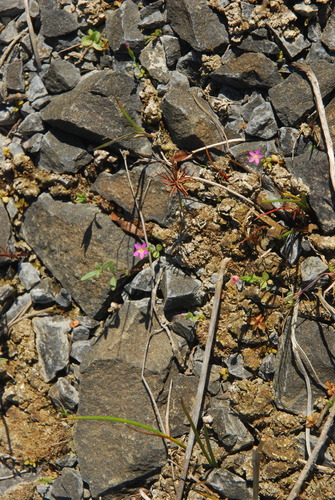
Centaurium pulchellum is a small, slender, branched annual of the gentian family, growing 1-6 inches (2.5-15 cm) tall on thin, upright, often forked stems. Unlike the related common centaury C. erythraea, it has no rosette of basal leaves; its small, oval to lance-shaped leaves are paired along the stem. From June to September it bears small, star-shaped, five-petalled flowers in bright pink, each about 0.2-0.3 inch (5-8 mm) across, opening at the branch tips and along the upper stems. The flowers open in sunshine and close in dull weather. It grows on damp, open, often bare ground, including dune slacks, the upper edges of saltmarsh, damp grassland, and disturbed coastal soil across Europe, North Africa, and western Asia. As an annual it completes its life within a year, germinating, flowering, and setting seed before dying. It tolerates somewhat saline and seasonally wet ground where competition is low. The plants vary in size with conditions, from tiny single-stemmed specimens on poor ground to taller branched ones where the soil is richer. Its lack of a leaf rosette and its smaller flowers separate it from the common centaury.
Native Range
Native to Europe, North Africa, and western Asia. It grows on damp, open ground such as dune slacks, saltmarsh edges, damp grassland, and bare coastal soil.Suggested Uses
Grown in coastal, dune, and damp wildflower plantings where its small pink flowers suit open, bare ground. It is used in conservation and native-plant schemes on seasonally wet soils. Its low size suits the front of sunny, informal beds.How to Identify
Appearance
Size & Dimensions
Height1" - 6"
Width/Spread2" - 6"
Bloom Information
Bright pink star-shaped flowers open from June to September in sunny weather and close when it is dull. The flowers appear at the tips of the forked branches over several weeks. Small flies and bees visit them in warm conditions.
Detailed Descriptions
Foliage Description
greenGrowing Conditions
Sun Requirements
Requires 6-12 hours of direct sunlight daily
• Full Sun: 6+ hours of direct sunlight
• Partial Shade: 3-6 hours of direct sunlight
• Full Shade: Less than 3 hours of direct sunlight
Water & Climate
Water Needs
Care & Maintenance
Care Guide
Centaurium pulchellum grows in damp, open, free-draining soils in full sun and tolerates a soil pH from about 6.0 to 8.0. As an annual it germinates, flowers, and dies within a year, depending on bare ground for its seedlings. It tolerates seasonal wetness and mild salinity but not dense competition or deep shade. It needs no feeding and self-seeds where the soil stays open. The flowers open only in sunshine, so it flowers most freely in bright, exposed spots. Bare, disturbed patches let its seed germinate.Pruning
No pruning is needed for this small annual. Plants die back at the end of the season after seeding. Leaving them to shed seed maintains a colony on open ground.Toxicity
Non-toxicPlanting Guide
Planting Methods & Timing
Planting Method
direct sow