Centaurium, Genus, spp., Multiple species,
- Genus
- Multiple species
centauries
Europe, North Africa, and western Asia
SunFull Sun
Overview
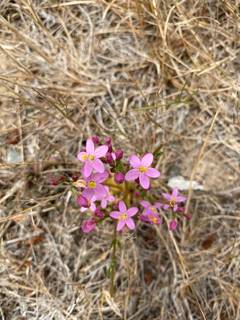
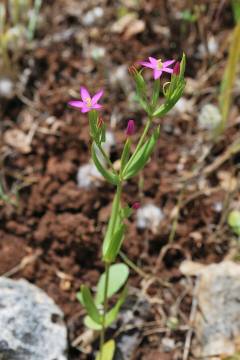
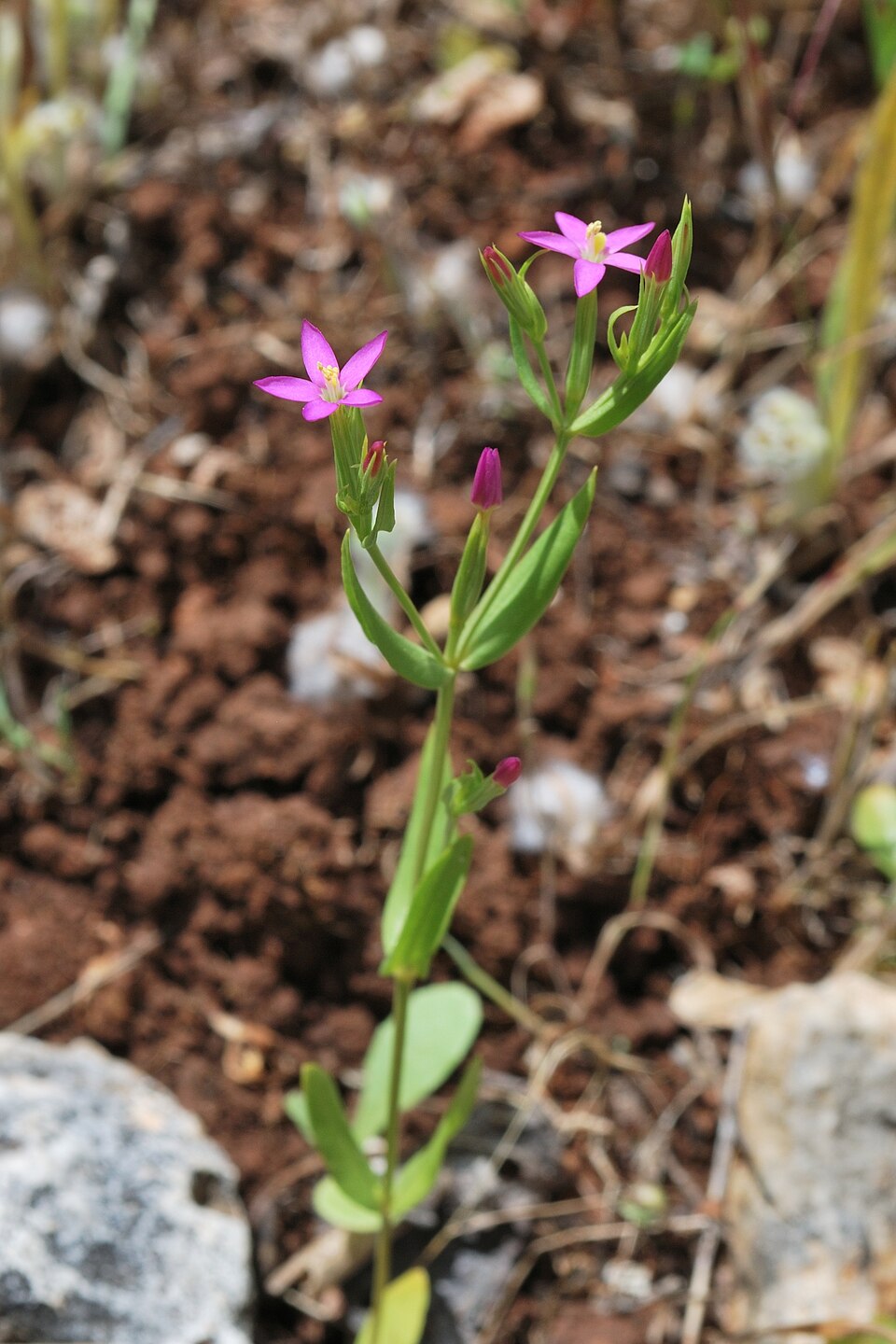
Centaurium is a genus of about 20 to 50 small annual, biennial, and short-lived perennial herbs in the gentian family, Gentianaceae, known as centauries, native to Europe, North Africa, and western Asia, with some species in the Americas and Australia. Plants are erect and slender, 2 to 20 inches (5 to 50 cm) tall, often branching toward the top into a flat-topped head. The smooth, oval to lance-shaped leaves are opposite and untoothed, frequently forming a basal rosette in the first year. In summer the stems carry clusters of star-shaped flowers about 0.4 to 0.8 inch (1 to 2 cm) across, with a slender tube opening into five spreading lobes, usually rose-pink and less often white or pale yellow. The flowers open in bright weather and close in dull light, and are followed by narrow capsules holding many tiny seeds. Centaurium grows in grassland, dunes, open woodland, and disturbed ground, often on poor or sandy soils in full sun. The genus includes C. erythraea, common centaury, a bitter herb long used in traditional medicine and as a flavouring. Several species are short-lived and rely on regular seeding to persist in open, sunny sites.
Native Range
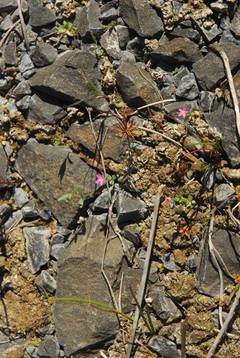
Centaurium is native to Europe, North Africa, and western Asia, with additional species in North and South America and Australia. Plants grow in dry grassland, coastal dunes, and open, disturbed ground. C. erythraea is widespread across Europe and naturalized in North America.Suggested Uses
Grown in wildflower meadows, gravel gardens, dune plantings, and the front of sunny borders for its summer pink flowers. C. erythraea is grown in herb gardens for medicinal use. The low, self-seeding plants suit naturalized and coastal plantings.How to Identify
Appearance
Size & Dimensions
Height2" - 1'8"
Width/Spread2" - 8"
Bloom Information
Centaurium flowers through summer, roughly June to September, with clusters of pink star flowers opening in bright conditions. Each cluster blooms over several weeks as new buds open. The flowers close in dull weather and toward evening.
Detailed Descriptions
Flower Description
rose-pink, less often white or pale yellowFoliage Description
greenGrowing Conditions
Sun Requirements
Requires 6-12 hours of direct sunlight daily
• Full Sun: 6+ hours of direct sunlight
• Partial Shade: 3-6 hours of direct sunlight
• Full Shade: Less than 3 hours of direct sunlight
Water & Climate
Water Needs
Drought Tolerance
Drought tolerant when established
Care & Maintenance
Care Guide
Centaurium species grow in full sun on poor to average, well-drained, often sandy or chalky soil and tolerate dry, open sites. Most are annual or biennial and complete their cycle in one or two years, relying on self-seeding to return. Seed is sown or scattered on bare ground in autumn or spring and needs light to germinate, so it is left uncovered. Plants need little feeding and grow weakly in rich or shaded ground. They are rarely troubled by pests. C. erythraea is gathered as a medicinal herb when in flower.Pruning
Pruning is not used with Centaurium, as the plants are small and short-lived. Spent plants are left to shed seed before they are cleared, which keeps the colony going. No cutting back or shaping is involved.Container Growing
Suitable for container growing
Minimum container size: 1 gallons
Toxicity
Non-toxicPlanting Guide
Planting Methods & Timing
Planting Method
direct sow
Direct Sow Timing
Autumn or spring, surface-sown on bare ground
Days to Maturity
90–150 days