Centaurium, Genus, erythraea, Species,
- Genus & species
common centaury
Europe, North Africa, and western Asia
Overview
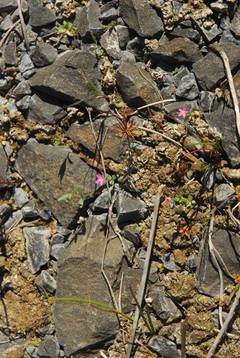
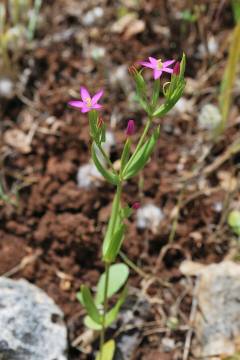
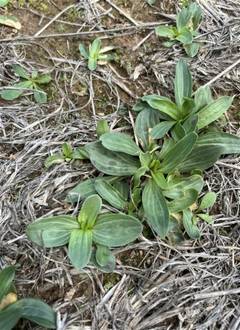
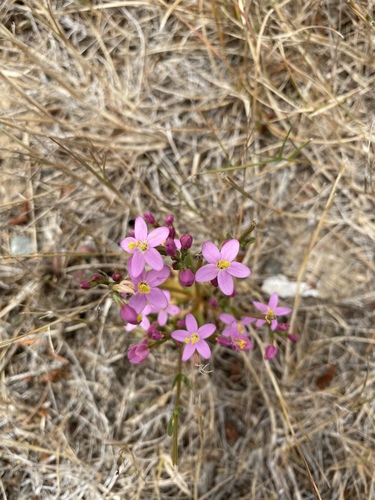
Centaurium erythraea is an erect annual or biennial herb of the gentian family, growing 4-20 inches (10-50 cm) tall from a basal rosette of oval leaves. In its first year it forms a flat rosette of leaves 0.4-2 inches (1-5 cm) long with three to seven prominent veins; in the second year a square, branching stem rises and carries the flowers. The flowers are pink, occasionally white, star-shaped with five lobes, each 0.4-0.6 inch (10-15 mm) across, opening in flat-topped clusters from June to September. Blooms close in dull weather and by late afternoon. The whole plant has a bitter taste and a long record of use in herbal bitters. Fruit is a slender capsule splitting into two valves to release numerous small seeds. The species self-sows freely on open ground and completes its life cycle in one to two years, dying after setting seed. It grows in dry grassland, dunes, woodland clearings, and roadside verges, and tolerates poor, stony soil but fails in dense shade or waterlogged ground.
Native Range
Native to Europe, North Africa, and western Asia, across a range from the British Isles and Scandinavia to the Mediterranean and the Caucasus. It is widely naturalized in North America, Australia, and New Zealand.Suggested Uses
Grown in wildflower meadows, gravel gardens, and coastal or dune plantings, and naturalized on dry banks, spaced about 6-9 inches (15-23 cm) apart. It is also cultivated in herb gardens for its bitter foliage.How to Identify
Appearance
Size & Dimensions
Height4" - 1'8"
Width/Spread4" - 8"
Bloom Information
Flowers from June to September, peaking in July and August. Each branched cluster opens a succession of pink star-shaped blooms over several weeks. Flowering is heaviest in full sun on open, well-drained ground.
Detailed Descriptions
Foliage Description
greenGrowing Conditions
Sun Requirements
Requires 6-10 hours of direct sunlight daily
• Full Sun: 6+ hours of direct sunlight
• Partial Shade: 3-6 hours of direct sunlight
• Full Shade: Less than 3 hours of direct sunlight
Care & Maintenance
Care Guide
Grows in full sun on dry to moderately moist, well-drained soil of low to moderate fertility. It tolerates sandy, stony, and chalky ground and a soil pH from 6.0 to 8.0. Rich soil and shade reduce flowering and encourage weak, leggy growth. As a short-lived annual or biennial, it is grown from seed sown on the surface in autumn or spring, since the seed needs light to germinate. Once established it self-sows and needs no irrigation in regions with summer rainfall. No fertilizer is required on average garden soils.Pruning
No routine pruning is needed. Spent flowering stems can be cut back after seed set to limit self-sowing, or left standing to allow natural reseeding. Plants die after flowering and are cleared once the seed has dispersed.Container Growing
Suitable for container growing
Minimum container size: 1 gallons