Cenchrus, Genus, spinifex, Species,
- Genus & species
coastal sandbur
Warmer regions of North and South America
Overview
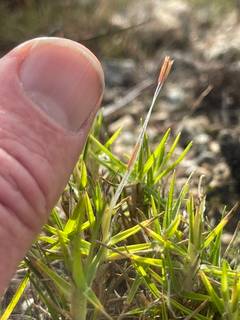
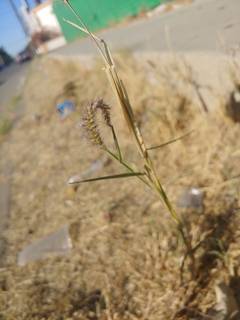
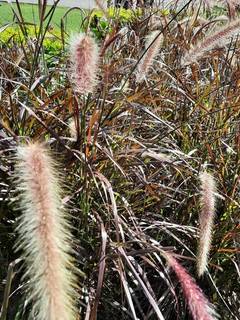
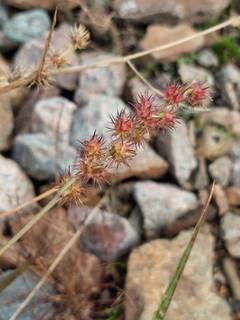
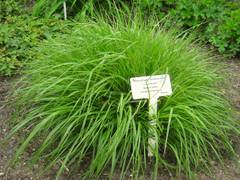
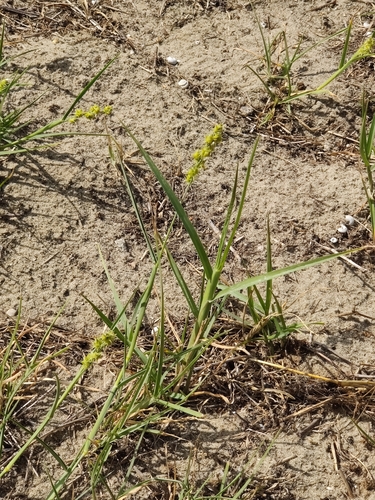
Cenchrus spinifex is a warm-season grass, growing as an annual or short-lived perennial, that forms low, spreading tufts 4-24 inches (10-60 cm) tall. The stems often bend at the base and root at the lower joints, spreading flat before turning upward. The flat leaf blades are 2-6 inches (5-15 cm) long and gray-green to green. The seed head is a narrow spike holding a series of rounded burs, each bur 0.2-0.4 inch (5-10 mm) wide and armed with stiff, sharp, barbed spines that enclose the seeds. The burs detach readily and cling to clothing, fur, and skin, and the spines can puncture and break off. The species grows on sandy soils, dunes, roadsides, pastures, lawns, and disturbed ground across the warmer parts of the Americas. It tolerates drought, heat, and poor sandy soil. It spreads by seed carried in the clinging burs and is treated as a weed in turf and pasture. Flowering and bur production run through the warm months.
Native Range
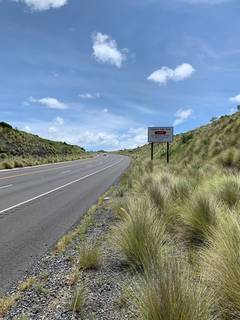
Cenchrus spinifex is native to the warmer regions of North and South America, including the southern and central United States south through Mexico and into South America. It grows on sandy soils, coastal dunes, roadsides, overgrazed pastures, and disturbed open ground.Suggested Uses
This grass is not grown ornamentally and is managed as a weed in lawns, sports fields, and pasture within its range. It contributes early colonization and some soil binding on bare sand and dunes. Its sharp burs make it a hazard around paths, play areas, and livestock.How to Identify
Appearance
Size & Dimensions
Height4" - 2'
Width/Spread6" - 1'6"
Colors
Bloom Information
Detailed Descriptions
Flower Description
green to tanFoliage Description
gray-green to greenGrowing Conditions
Sun Requirements
Requires 6-12 hours of direct sunlight daily
• Full Sun: 6+ hours of direct sunlight
• Partial Shade: 3-6 hours of direct sunlight
• Full Shade: Less than 3 hours of direct sunlight
Care & Maintenance
Care Guide
Grows in full sun on dry, sandy, low-fertility soils and tolerates heat and drought. It is a weed of lawns, pastures, and disturbed sand rather than a cultivated plant. Dense, healthy turf and ground cover limit its establishment by shading seedlings. In gardens and pastures it spreads quickly on bare sandy ground. Removing plants before the burs mature reduces the seed bank. It is sensitive to frost and dies back with cold in its annual form.Pruning
Mowing or cutting before the burs form prevents the sharp seed heads from developing. Repeated close mowing weakens stands over time. Pulled or cut plants with mature burs are bagged because the burs continue to cling and spread.Pruning Schedule
Prune: June–July
summer