Cenchrus, Genus, ciliaris, Species,
- Genus & species
buffelgrass
Africa, the Middle East, and southern Asia
Overview
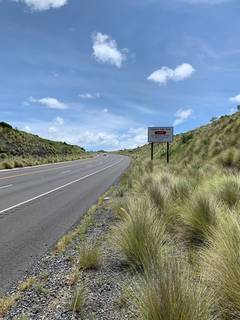
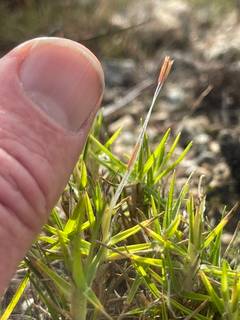
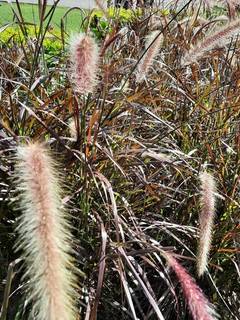
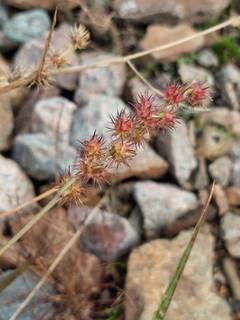
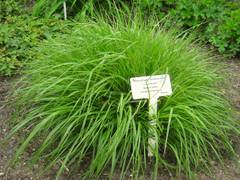
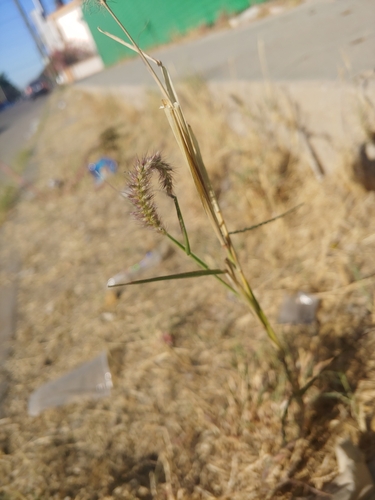
Cenchrus ciliaris is a tufted perennial grass that forms dense tussocks 1-5 feet (30-150 cm) tall from a knotty, shallow crown and deep roots. The narrow blue-green to grey-green leaf blades are 3-12 inches (8-30 cm) long, and the flowering stems carry a dense, cylindrical, bristly seed head 1-6 inches (2.5-15 cm) long that ranges from purple to straw-coloured. Each seed cluster is wrapped in bristles that cling to fur and clothing and help the seed spread. It grows actively in warm weather and after rain, setting seed quickly and persisting through long dry spells on its deep roots. Native to Africa, the Middle East, and parts of Asia, it has been sown widely as a drought-hardy pasture grass and has become a serious environmental weed in arid Australia and the Americas, where it displaces native plants and carries fire through landscapes that rarely burned before. The grass accumulates oxalates that can cause mineral imbalance in horses grazing it heavily. Dense stands crowd out native ground flora and recover quickly after fire, which makes established infestations hard to reverse.
Native Range
Cenchrus ciliaris is native to Africa, the Middle East, and parts of southern Asia. It has been introduced to Australia and the Americas as a pasture grass, where it has naturalised across arid and semi-arid country.Suggested Uses
Cenchrus ciliaris is sown as a drought-hardy pasture and for erosion control in hot, dry regions. Where it has naturalised in conservation areas it is managed as an invasive environmental weed rather than planted.How to Identify
Appearance
Size & Dimensions
Height1' - 5'
Width/Spread1' - 3'
Colors
Bloom Information
Flowering and seeding occur through the warm season and after rain, mainly spring to autumn, roughly September to April in the southern hemisphere. The cylindrical bristly heads emerge purple to straw-coloured and shed seed quickly. Plants can flower repeatedly whenever rain follows warm weather.
Detailed Descriptions
Flower Description
purple to strawFoliage Description
blue-green to grey-greenGrowing Conditions
Sun Requirements
Requires 6-12 hours of direct sunlight daily
• Full Sun: 6+ hours of direct sunlight
• Partial Shade: 3-6 hours of direct sunlight
• Full Shade: Less than 3 hours of direct sunlight
Care & Maintenance
Care Guide
Cenchrus ciliaris grows in full sun on light, free-draining soils and tolerates heat, drought, and low fertility once established. It makes fast growth after rain and sets seed within weeks, then persists through dry spells on deep roots. It withstands light frost in USDA zones 9-11, with top growth browning in cold before reshooting. In regions where it has naturalised it is treated as an environmental weed and managed by removal and fire control rather than cultivation. The foliage accumulates oxalates that can harm horses grazing it as a main feed.Pruning
Mowing or slashing before the heads set seed reduces spread, though stands regrow quickly from the crown. Burning tends to favour the grass rather than control it, as it reshoots faster than many natives. Removing whole crowns is needed to stop regrowth.Pruning Schedule
Prune: October–November
late springsummer