Cenchrus, Genus, spp., Multiple species,
- Genus
- Multiple species
sandburs and fountain grasses
Tropical and warm-temperate regions worldwide
Overview
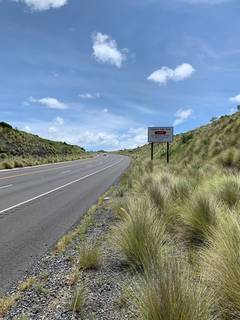
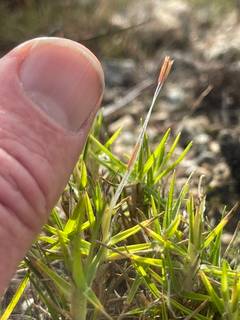
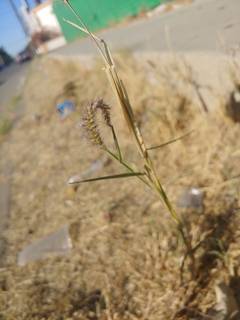
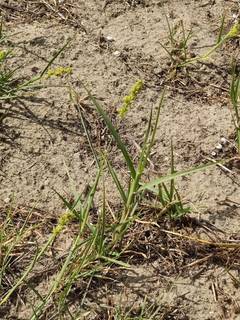
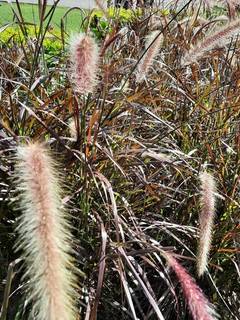
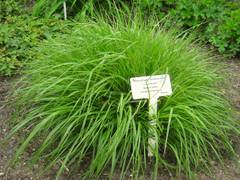
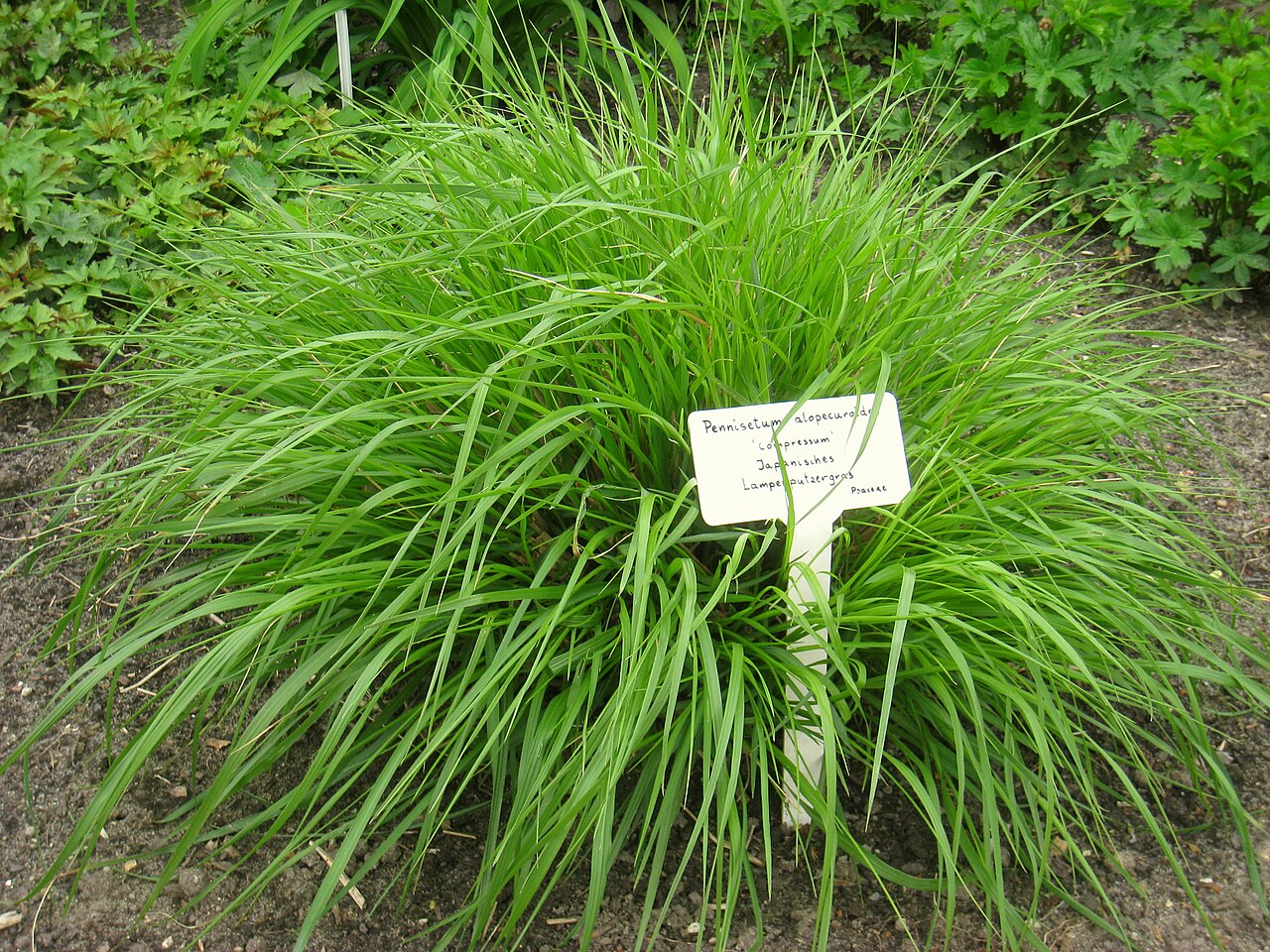
Cenchrus is a genus of about 100 grasses in the family Poaceae, now including the ornamental fountain grasses formerly placed in Pennisetum. Plants form clumps 1–6 feet (30–180 cm) tall of arching, narrow leaves in green, blue-green, or burgundy, topped in summer by bristly, brush-like flower spikes in tan, pink, and purple. The spikelets are surrounded by bristles or spines that in some species harden into clinging burs. The genus is spread through tropical and warm-temperate regions worldwide, growing in grassland, sand dunes, roadsides, and disturbed ground. Weedy species such as C. spinifex produce sharp burs that catch on skin, clothing, and animal coats, while ornamental species such as C. setaceus and C. alopecuroides are grown for their foliage and plumes. Most species are warm-season grasses that grow in heat and tolerate drought and poor soil once established. They are frost-tender and are grown as annuals or lifted in cold climates. C. setaceus is regulated as invasive in California, Hawaii, and other warm regions where it displaces native vegetation.
Native Range
The genus is spread through tropical and warm-temperate regions of the Americas, Africa, Asia, and Australia, with several species native to the southern United States. Cenchrus grows in grassland, sand dunes, roadsides, and disturbed open ground. Plants favor warm, sunny sites with free-draining soil.Suggested Uses
Ornamental Cenchrus species are grown in borders, mass plantings, and large containers for their arching foliage and plumes, spaced 24–36 inches (60–90 cm) apart. The seed feeds birds and small wildlife through autumn. Weedy and invasive species are managed rather than planted in regions where they spread.How to Identify
Appearance
Size & Dimensions
Height1' - 6'
Width/Spread1' - 4'
Colors
Bloom Information
Detailed Descriptions
Flower Description
tan, pink, to purpleFoliage Description
green, blue-green, to burgundyGrowing Conditions
Sun Requirements
Requires 6-12 hours of direct sunlight daily
• Full Sun: 6+ hours of direct sunlight
• Partial Shade: 3-6 hours of direct sunlight
• Full Shade: Less than 3 hours of direct sunlight
Care & Maintenance
Care Guide
Plants grow in full sun on free-draining sand, loam, clay, or rocky soil, and tolerate heat, drought, and poor fertility once established. Wet, shaded sites produce weak, floppy growth and fewer flower spikes. Most species are warm-season grasses that green up late in spring and are tender to frost. In cold zones ornamental species are grown as annuals or lifted and stored. Seed of weedy and invasive species spreads readily, so spent spikes are cut before seed ripens where spread is a concern.Pruning
Clumps are cut back to a few inches above the ground in late winter before new growth begins. Spent flower spikes are removed before seed sets where self-seeding or spread is unwanted. Dead leaves are combed out of evergreen-zone clumps to keep them open.Container Growing
Suitable for container growing