Celtis, Genus, pallida, Species,
- Genus & species
spiny hackberry
Southwestern North America to South America
Overview
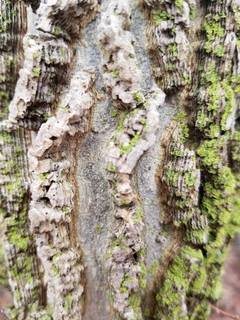
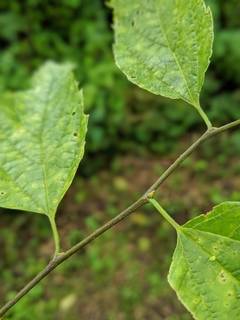
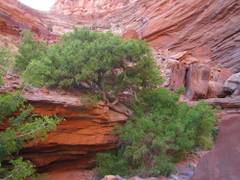
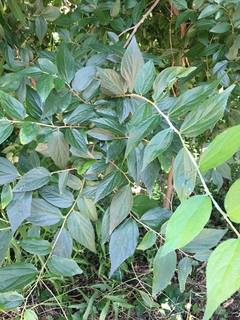
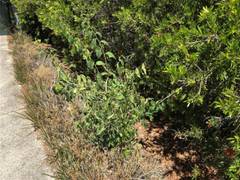
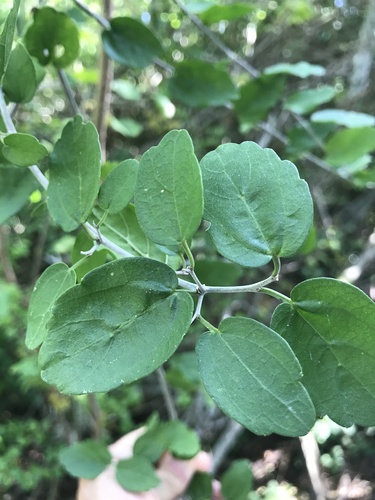
Celtis pallida is a thorny, densely branched deciduous shrub or small tree in the hemp family (Cannabaceae), reaching 3-18 feet (1-5.5 m) tall and spreading 6-15 feet (1.8-4.5 m) wide. The pale gray, zigzag stems carry stout paired spines up to 1 inch (2.5 cm) long and small oval leaves 0.5-1.5 inches (1.5-4 cm) long with rough, sandpapery surfaces. Tiny greenish flowers appear with the new leaves and are easy to overlook. They are followed by round orange to yellow-red drupes about 0.25 inch (6 mm) across that ripen in late summer and autumn. The dense, spiny structure forms thickets that give cover and nesting sites to birds, while the fruit feeds birds, mammals, and people. It grows in dry, rocky, or sandy soils of deserts, grasslands, and brush country and tolerates heat and extended drought. The thorns and intricate branching make it difficult to handle and prune. In the colder part of its range it drops its leaves, while in mild areas it may stay nearly evergreen.
Native Range
Celtis pallida is native to the southwestern United States, Mexico, and parts of South America. In the United States it occurs across southern Texas, New Mexico, and Arizona, growing in desert scrub, grasslands, and brush country on dry, rocky, or sandy soil.Suggested Uses
Celtis pallida is used as a wildlife shrub, a thorny barrier or hedge, and a drought-tolerant plant for desert and xeriscape gardens. Its dense spiny growth gives cover and nesting habitat for birds, and the fruit feeds wildlife. It suits revegetation of dry, disturbed land and naturalized desert plantings.How to Identify
Appearance
Size & Dimensions
Height3' - 18'
Width/Spread6' - 15'
Bloom Information
Small greenish flowers open in spring as the new leaves emerge, usually March to May, and are wind- and insect-pollinated. The flowers are tiny and largely hidden among the foliage. Orange to yellow-red drupes ripen from late summer into autumn and may persist into winter. The fruiting display, rather than the flowers, draws attention.
Detailed Descriptions
Foliage Description
greenGrowing Conditions
Sun Requirements
Requires 6-12 hours of direct sunlight daily
• Full Sun: 6+ hours of direct sunlight
• Partial Shade: 3-6 hours of direct sunlight
• Full Shade: Less than 3 hours of direct sunlight
Care & Maintenance
Care Guide
Celtis pallida grows in full sun and fast-draining rocky or sandy soil, tolerating heat, drought, and alkaline conditions once established. It needs little or no supplemental water after the first year or two and declines in wet, poorly drained ground. The plant withstands hard pruning and can be shaped into a hedge or barrier, though the thorns make this work slow. It is hardy in USDA zones 8 through 11 and tolerates light frost, dropping its leaves in colder areas. Seed germinates after the fleshy fruit is removed, and birds spread the seed widely. Suckering and seedlings can let it form dense thickets over time.Pruning
Pruning is done in late winter before new growth, removing dead or crossing branches and shaping the outline. The dense thorny growth can be thinned to open the interior or cut hard to renew an old shrub. The stout paired spines slow this work and can puncture skin.Pruning Schedule
Prune: February
winter