Celtis, Genus,
- Genus
hackberries
Northern Hemisphere: North America, Europe, and Asia
Overview
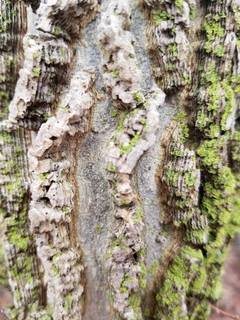
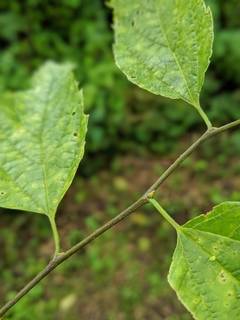
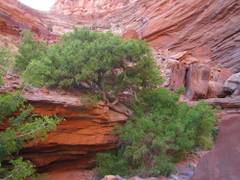
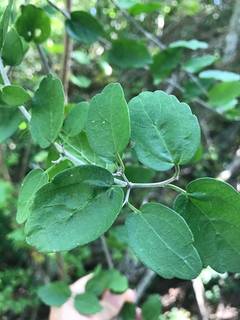
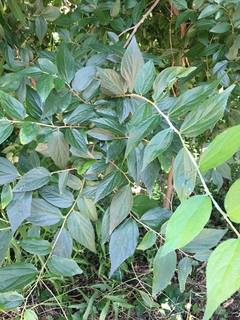
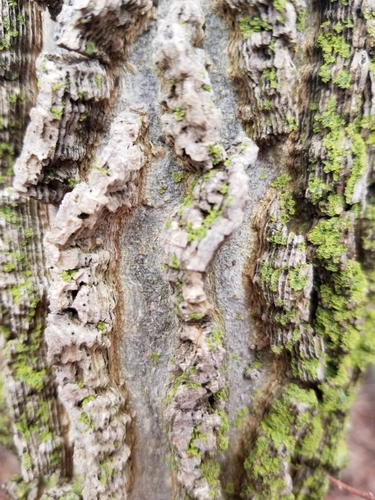
Celtis is a genus of around 70 species of mostly deciduous trees, and a few shrubs, in the family Cannabaceae, distributed across warm temperate and tropical regions of the Northern Hemisphere and beyond. Trees commonly reach 30 to 80 feet (9 to 24 m) tall with rounded to spreading crowns and grey bark that develops corky, warty ridges with age. The alternate leaves are 2 to 5 inches (5 to 13 cm) long, ovate to lance-shaped with an uneven base, toothed margins, and three main veins rising from the leaf base. Small greenish flowers appear with the new leaves in spring and are wind-pollinated, the sexes borne separately on the same tree. Each fertilized flower forms a small rounded drupe 0.2 to 0.4 inch (5 to 10 mm) across, ripening from green through orange to dark purple-brown, with thin sweet flesh over a hard stone. C. occidentalis and C. laevigata are North American shade trees, while C. australis is grown in southern Europe and C. sinensis in eastern Asia. The fruit is eaten by birds, which scatter the seed. Foliage often carries nipple-like galls and a powdery fungal growth that does not harm the tree.
Native Range
Native across the Northern Hemisphere, including North America, southern Europe, North Africa, and temperate to tropical Asia. C. occidentalis and C. laevigata are North American, C. australis ranges around the Mediterranean, and several species occur in China and Japan.Suggested Uses
Planted as shade and street trees in parks, large gardens, and along avenues, where tolerance of harsh sites is useful. The wood is used locally for furniture and fencing. The fruit and foliage support birds and a range of insects.How to Identify
Appearance
Size & Dimensions
Height30' - 80'
Width/Spread30' - 70'
Bloom Information
Flowering occurs in spring as the leaves emerge, generally April to May. The tiny greenish flowers are wind-pollinated and easily overlooked. Fruit ripens from late summer into autumn and often persists into winter.
Detailed Descriptions
Foliage Description
green, turning yellow in autumnGrowing Conditions
Sun Requirements
Requires 6-12 hours of direct sunlight daily
• Full Sun: 6+ hours of direct sunlight
• Partial Shade: 3-6 hours of direct sunlight
• Full Shade: Less than 3 hours of direct sunlight
Care & Maintenance
Care Guide
Celtis species grow in full sun on a wide range of soils, from sand to heavy clay, and tolerate drought, wind, heat, and urban conditions once established. They withstand both occasional flooding and prolonged dry spells, which suits them to street and parking-lot plantings. Soil pH from 6.0 to 8.0 is acceptable, including alkaline ground. Young trees grow at a moderate to fast rate and develop a deep, wide root system. Established trees need little care beyond the removal of dead or crossing wood.Pruning
Pruning is carried out in the dormant season to remove dead, damaged, or crossing branches and to raise the canopy. Young trees are trained to a single central leader for a strong framework. Witches broom growths can be cut out where they are conspicuous, though they cause no lasting harm.Pruning Schedule
Prune: December–February
winter