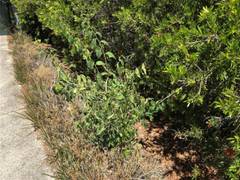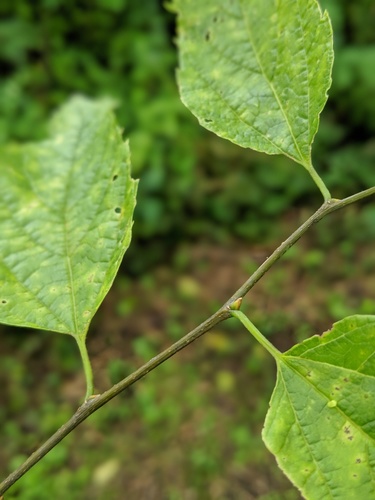
Celtis, Genus, laevigata, Species,
- Genus & species
sugar hackberry
Overview
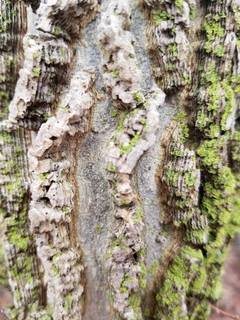
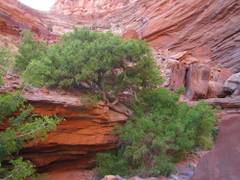
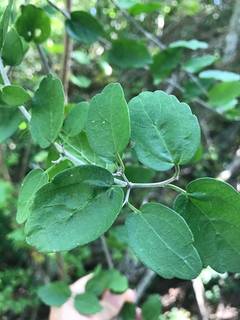
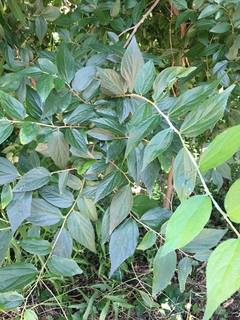
Celtis laevigata is a deciduous tree reaching 60-80 feet (18-24 m) tall with a rounded crown of similar spread. The lance-shaped leaves are 2-4 inches (5-10 cm) long, mostly smooth-margined, and bright green, turning pale yellow in autumn. The smooth gray bark develops corky, warty ridges with age. Small greenish flowers appear with the leaves in spring and give way to round drupes about 0.25 inch (6 mm) wide that ripen from orange-red to dark purple in fall and persist into winter. The fruit is eaten and dispersed by birds. Native to the southeastern and south-central United States, C. laevigata grows along floodplains, stream banks, and bottomland forests, and tolerates both periodic flooding and drought once established. It is planted as a street and shade tree because it withstands heat, wind, compacted soil, and urban conditions. The species is prone to leaf galls and to witches'-broom caused by a mite-and-fungus complex, which distorts twig growth without seriously harming the tree. The wood is soft and weak limbs can break in storms. It is hardy to USDA zone 5.
Native Range
Native to the southeastern and south-central United States, from Virginia and Florida west to Texas and north into the Mississippi and Ohio valleys. Common in bottomlands, floodplains, and along watercourses.Suggested Uses
Planted as a street, lawn, and shade tree in hot-summer regions and for bank stabilization along waterways. Tolerant of difficult urban sites, it is spaced 30-40 feet (9-12 m) apart along avenues and in parks.How to Identify
Appearance
Size & Dimensions
Height60' - 80'
Width/Spread60' - 80'
Bloom Information
Small greenish flowers open in March and April as the leaves expand. Both male and bisexual flowers occur on the same tree. The wind-pollinated flowers are inconspicuous, maturing into round drupes that color through fall.
Detailed Descriptions
Foliage Description
GreenGrowing Conditions
Sun Requirements
Requires 6-12 hours of direct sunlight daily
• Full Sun: 6+ hours of direct sunlight
• Partial Shade: 3-6 hours of direct sunlight
• Full Shade: Less than 3 hours of direct sunlight
Care & Maintenance
Care Guide
Celtis laevigata grows in full sun to partial shade and adapts to clay, loam, and sandy soils across a pH of 6.0 to 8.0. It tolerates seasonal flooding and drought once established, along with heat and urban conditions. The tree is hardy to USDA zone 5 and needs no winter protection. Leaf galls from psyllids and hackberry witches'-broom are common and cosmetic rather than damaging. The soft wood is subject to limb breakage, so an open setting reduces storm cleanup near structures. Established trees need no supplemental fertilizer.Pruning
Prune in late winter while dormant to develop strong branch structure and remove weak, narrow-angled crotches prone to splitting. Take out dead or storm-damaged limbs as they occur. Young trees can be trained to a central leader.Pruning Schedule
Prune: February–March
winter