Calotis, Genus, lappulacea, Species,
- Genus & species
bur daisy
Inland eastern and southern Australia
Overview
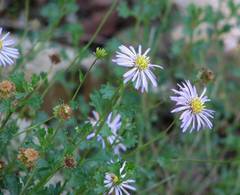
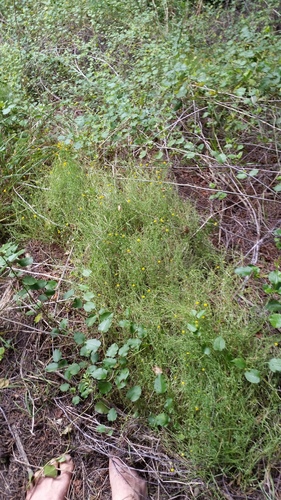
Calotis lappulacea is a wiry-stemmed perennial herb or small subshrub growing 6-20 inches (15-50 cm) tall and 8-16 inches (20-40 cm) wide, forming a low, branching mound. The leaves are narrow, grey-green, and 0.4-1.2 inches (1-3 cm) long, sparse along the slender stems. Bright yellow daisy flowerheads about 0.4 inch (1 cm) across appear from spring through summer and into autumn in favourable seasons, each held singly on a thin stalk. As the heads age they form rounded burrs of barbed seeds that cling to animal coats and clothing, aiding dispersal. Calotis lappulacea grows across the inland plains and slopes of eastern and southern Australia in grassland, open woodland, and disturbed ground on clay and loam soils. It tolerates drought, heat, and grazing, regrowing from a woody rootstock after dry spells. Plants are short-lived but persist by self-seeding. In cultivation it is used in dry native gardens and grassland plantings, where the yellow flowers draw native bees and butterflies, though the clinging burrs make it unsuited to paths and pet areas.
Native Range
Calotis lappulacea is native to eastern and southern mainland Australia, where it is widespread across the inland slopes and plains of Queensland, New South Wales, Victoria, and South Australia. It grows in grassland, open woodland, and disturbed ground on clay and loam soils.Suggested Uses
C. lappulacea is used in dry native gardens, grassland restoration, and low-water plantings, where its yellow flowers feed native bees and butterflies. It also helps bind soil on dry, disturbed banks. The barbed burrs catch in fabric and fur, limiting its use beside lawns, paths, and pet areas.How to Identify
Appearance
Size & Dimensions
Height6" - 1'8"
Width/Spread8" - 1'4"
Bloom Information
Yellow daisy flowerheads open mainly from September to March, peaking in spring and early summer and continuing while soil moisture lasts. Each head sits singly on a thin stalk above the foliage. Native bees, butterflies, and hoverflies visit the flowers before the heads ripen into clinging burrs.
Detailed Descriptions
Foliage Description
Grey-greenGrowing Conditions
Sun Requirements
Requires 6-10 hours of direct sunlight daily
• Full Sun: 6+ hours of direct sunlight
• Partial Shade: 3-6 hours of direct sunlight
• Full Shade: Less than 3 hours of direct sunlight
Care & Maintenance
Care Guide
Grow C. lappulacea in full sun on free-draining clay, loam, or sandy soil of low to moderate fertility. The species tolerates drought, heat, and periodic grazing once established, regrowing from its rootstock, but is damaged by waterlogging. It suits USDA zones 8-11 and withstands light to moderate frost. Water occasionally in the first season, then rely on rainfall. The barbed seed heads catch in fur and fabric, a drawback near paths and animal runs.Pruning
C. lappulacea needs little pruning. Shear the plant back after the main flush of flowering to remove burrs and encourage fresh growth. Cutting old, woody stems to near ground level in late winter renews a tired plant.Pruning Schedule
Prune: February–March
summerfall
Container Growing
Suitable for container growing
Minimum container size: 2 gallons