Calotis, Genus, spp., Multiple species,
- Genus
- Multiple species
Burr-daisy
Overview
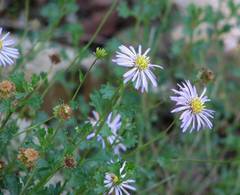
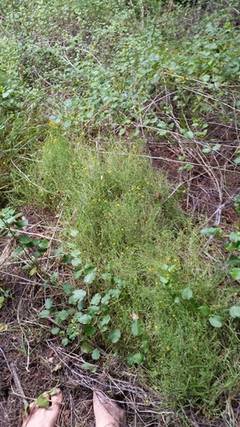
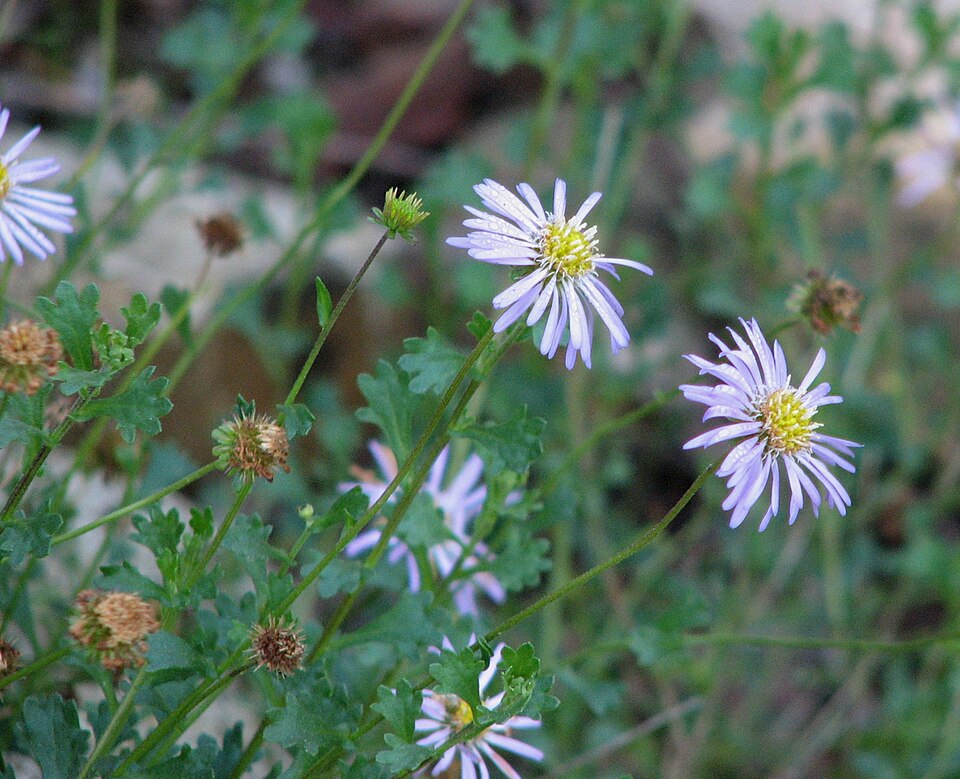
Calotis is a genus of small annual and perennial herbs in the daisy family (Asteraceae), native mostly to Australia with a few species in eastern Asia, known as burr-daisies. Plants are low and often spreading, 2-16 inches (5-40 cm) tall, with narrow, sometimes lobed or toothed leaves and slender, branching stems. Single daisy flowerheads 0.3-1 inch (8-25 mm) wide top the stems, the ray florets white, blue, mauve, or yellow around a yellow centre. After flowering each seed develops barbed bristles or awns, so the seed heads form small burrs that catch in fur, wool, and clothing and aid dispersal. Several species are short-lived colonisers of bare or disturbed ground and can become weedy in pasture, where the burrs contaminate wool. Calotis grows in grassland, open woodland, and seasonally dry inland soils, tolerating heat and drought but dying back or setting seed in extended dry spells.
Native Range
Calotis is native to Australia, where it occurs across all mainland states, especially in inland and semi-arid regions, with a few species reaching eastern Asia. Plants grow in native grassland, open woodland, floodplains, and disturbed roadsides, usually on clay or loam soils that dry out seasonally.Suggested Uses
Calotis is used in native, meadow, and dry-garden plantings and in revegetation of grassland within its range. Low species suit rockeries and the front of sunny borders in warm, dry climates. The clinging burrs make it less suited to gardens near livestock, pets, or lawns.How to Identify
Appearance
Size & Dimensions
Height2" - 1'4"
Width/Spread4" - 1'4"
Bloom Information
Flowering is mainly in spring and after rain through the warmer months, roughly September to March in Australia. Individual heads last one to two weeks, and a plant flowers in flushes following rainfall. In dry seasons flowering is brief and seed sets quickly.
Detailed Descriptions
Flower Description
White, blue, mauve, or yellow with a yellow centreFoliage Description
Green to grey-greenGrowing Conditions
Sun Requirements
Requires 6-12 hours of direct sunlight daily
• Full Sun: 6+ hours of direct sunlight
• Partial Shade: 3-6 hours of direct sunlight
• Full Shade: Less than 3 hours of direct sunlight
Care & Maintenance
Care Guide
Plants grow in full sun on free-draining clay, loam, or sandy soils and tolerate heat and dry conditions once established. They need little water and can be raised from seed, though the barbed burrs make handling of the seed heads awkward. Perennial species can be cut back after flowering to keep them compact, while annual kinds complete their cycle in a season. Plants flower poorly in shade and rich, wet soil. Few pests trouble them in the open.Pruning
Perennial species can be trimmed lightly after each flush to remove spent burrs and keep a tidy mound. Annual kinds need no pruning and are pulled out once seed has set. Taking off burr heads before they ripen limits unwanted spread.Container Growing
Suitable for container growing
Minimum container size: 1 gallons