Calotis, Genus, cuneifolia, Species,
- Genus & species
purple burr-daisy
Overview
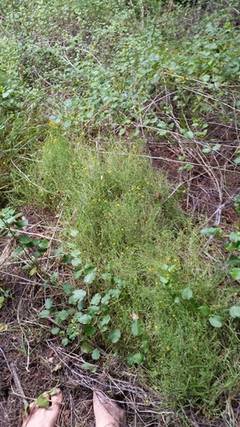
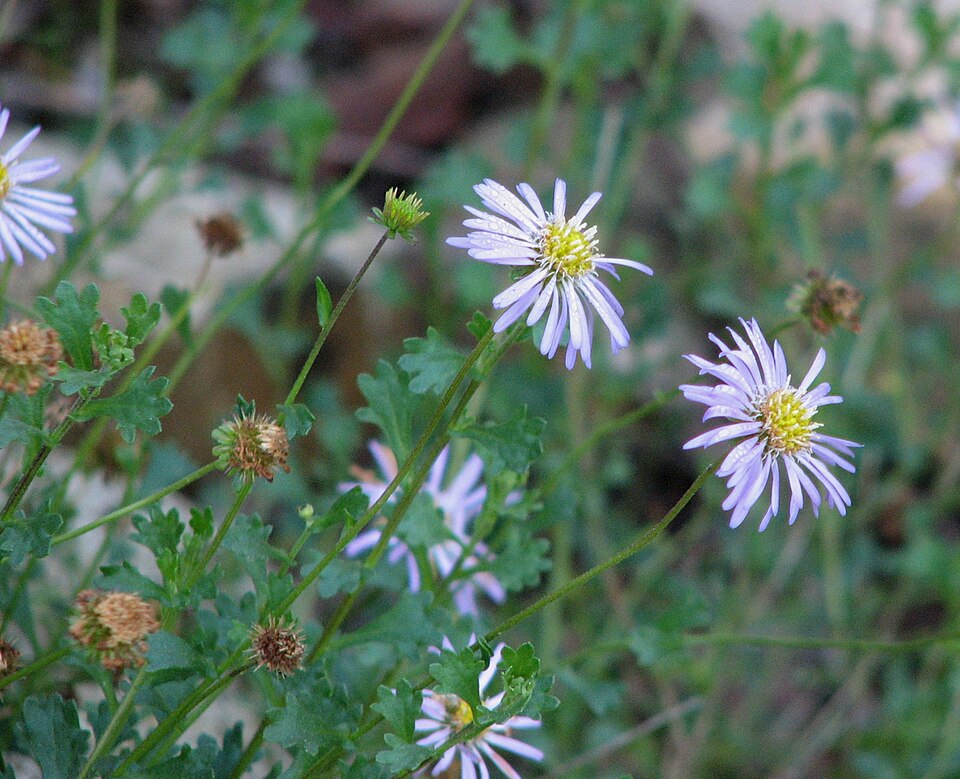
Calotis cuneifolia is a short-lived perennial or annual herb in the family Asteraceae forming a low, branching clump 6-16 inches (15-40 cm) tall and 8-16 inches (20-40 cm) wide. The wedge-shaped leaves are 0.4-1.2 inches (10-30 mm) long, grey-green, and toothed toward the tips. Daisy flower heads about 0.6-1 inch (15-25 mm) across have white to mauve ray florets around a yellow centre and open from spring into summer. After flowering, the heads form rounded, spiny burrs that cling to fur and clothing and aid seed dispersal. The plant grows quickly from seed, flowers in its first year, and often dies back in dry summers. It grows on a range of soils in grassland and open woodland and tolerates drought and grazing. The burrs can be a nuisance in lawns and on livestock.
Native Range
Native to eastern and central Australia, across Queensland, New South Wales, Victoria, and South Australia. Grows in grassland, open woodland, and disturbed ground on clay and loam soils, often in heavier soils than many native daisies.Suggested Uses
Grown in native grassland plantings, meadow gardens, and revegetation on heavier soils, spaced 8-12 inches (20-30 cm) apart. The spring daisies suit informal and naturalistic plantings. The spiny burrs make it unsuited to lawns, play areas, and paths, or to gardens near grazing animals.How to Identify
Appearance
Size & Dimensions
Height6" - 1'4"
Width/Spread8" - 1'4"
Colors
Bloom Information
Detailed Descriptions
Flower Description
white to mauveFoliage Description
grey-greenGrowing Conditions
Sun Requirements
Requires 6-10 hours of direct sunlight daily
• Full Sun: 6+ hours of direct sunlight
• Partial Shade: 3-6 hours of direct sunlight
• Full Shade: Less than 3 hours of direct sunlight
Care & Maintenance
Care Guide
Grows in full sun on clay, loam, or sandy soil and tolerates drought, heat, and light grazing. Plants establish quickly from seed and need little water once growing. The species self-seeds freely, and the spiny burrs spread it onto lawns, paths, and livestock. Cutting or mowing before the burrs harden reduces unwanted spread. Few pests or diseases affect it. Plants are short-lived, often lasting one to three years, and renew from self-sown seed.Pruning
Cutting back or mowing after the main flush removes developing burrs and limits self-seeding. Plants reshoot from the base after cutting while soil moisture lasts. Spent flower heads left in place ripen into clinging burrs.Pruning Schedule
Prune: January–February
summer
Container Growing
Suitable for container growing
Minimum container size: 2 gallons