Brodiaea, Genus, spp., Multiple species,
- Genus
- Multiple species
brodiaeas
Overview
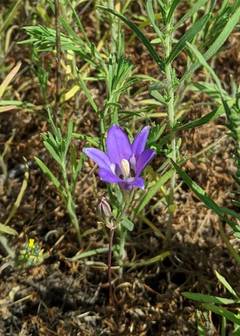
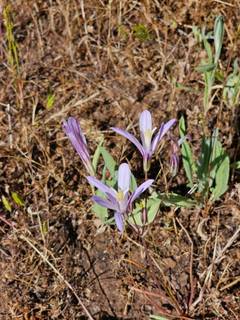
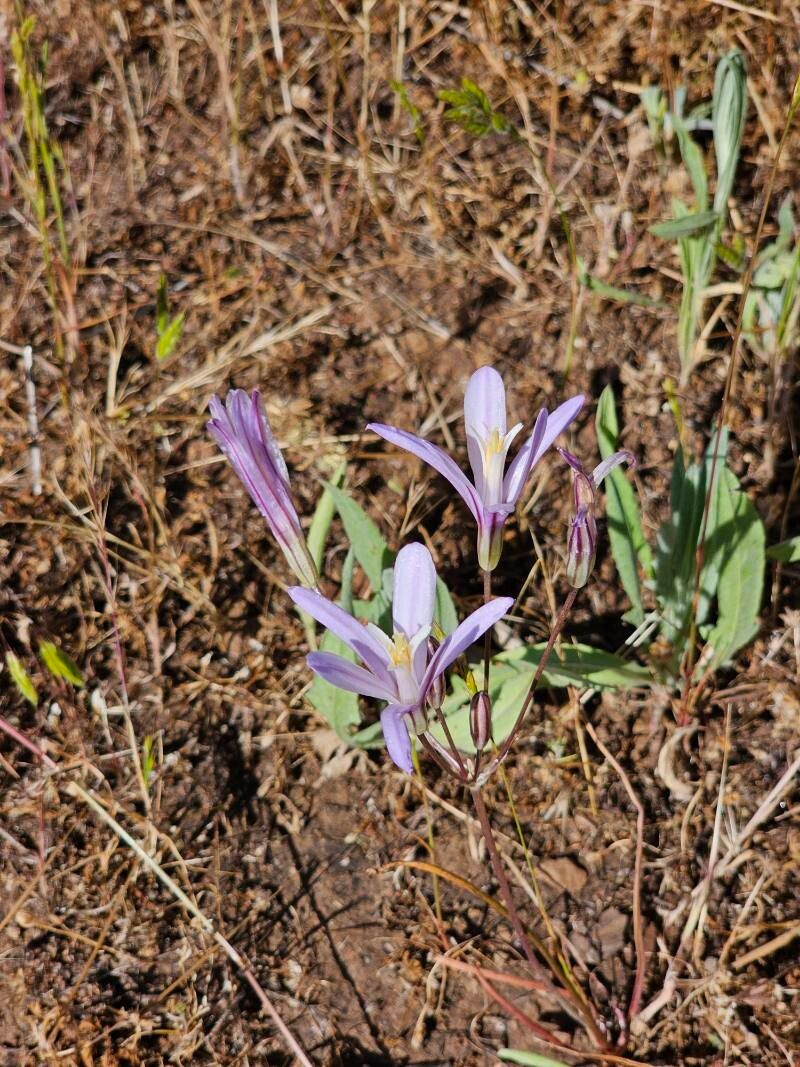
Brodiaea is a genus of about 15 species of cormous perennials in the family Asparagaceae, native to western North America from British Columbia to Baja California, with a centre in California. Plants grow from a small corm and send up a leafless stalk 10-50 cm (4-20 in) tall topped by an open cluster of funnel- to star-shaped flowers. The flowers are usually violet-blue to purple, sometimes lilac or white, 2-4 cm (0.8-1.6 in) long, and appear in late spring and early summer. A few narrow, grass-like basal leaves emerge in winter and wither away before or during flowering. The corms were a traditional food of Indigenous peoples, who ate them raw or cooked. Plants grow through the cool, moist season and go dormant through a dry summer. They need a warm summer rest and sharp drainage, and rot in soils that stay wet while the corm is dormant. Clumps increase slowly by offset cormlets.
Native Range
Brodiaea is native to western North America, from British Columbia south through California to Baja California, growing in grassland, vernal-pool margins, and open woodland on soils that dry hard in summer.Suggested Uses
Grown in rock gardens, gravel beds, dry borders, and naturalized in lean grassland that is not watered in summer. The corms suit Mediterranean-climate plantings and pots kept dry through their dormancy. Corms are planted 8-12 cm (3-5 in) apart in groups.How to Identify
Appearance
Size & Dimensions
Height4" - 1'8"
Width/Spread2" - 4"
Bloom Information
Detailed Descriptions
Flower Description
violet-blue to purple, some lilac or whiteFoliage Description
greenGrowing Conditions
Sun Requirements
Requires 6-10 hours of direct sunlight daily
• Full Sun: 6+ hours of direct sunlight
• Partial Shade: 3-6 hours of direct sunlight
• Full Shade: Less than 3 hours of direct sunlight
Care & Maintenance
Care Guide
Most species grow in full sun on gritty, sharp-draining soil and need a warm, dry rest once they go dormant in summer. Corms are planted in autumn about 8-10 cm (3-4 in) deep at a neutral to slightly acidic pH. They draw moisture from winter and spring rain and then must dry out, as wet summer soil rots the dormant corms. Most species are hardy in USDA zones 6-10, and in wet-summer climates they are lifted or grown in pots kept dry over summer. Gophers, voles, and other rodents dig and eat the corms.Pruning
The spent flower stalk is removed after bloom unless seed is wanted. The withering leaves are left to die back fully, as they feed the corm for the next year. Crowded clumps are lifted and separated during summer dormancy.Pruning Schedule
Prune: July
summer
Container Growing
Suitable for container growing
Minimum container size: 1 gallons