Bistorta, Genus, bistortoides, Species,
- Genus & species
American bistort
Overview
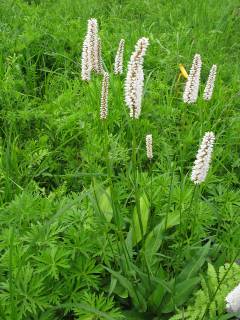
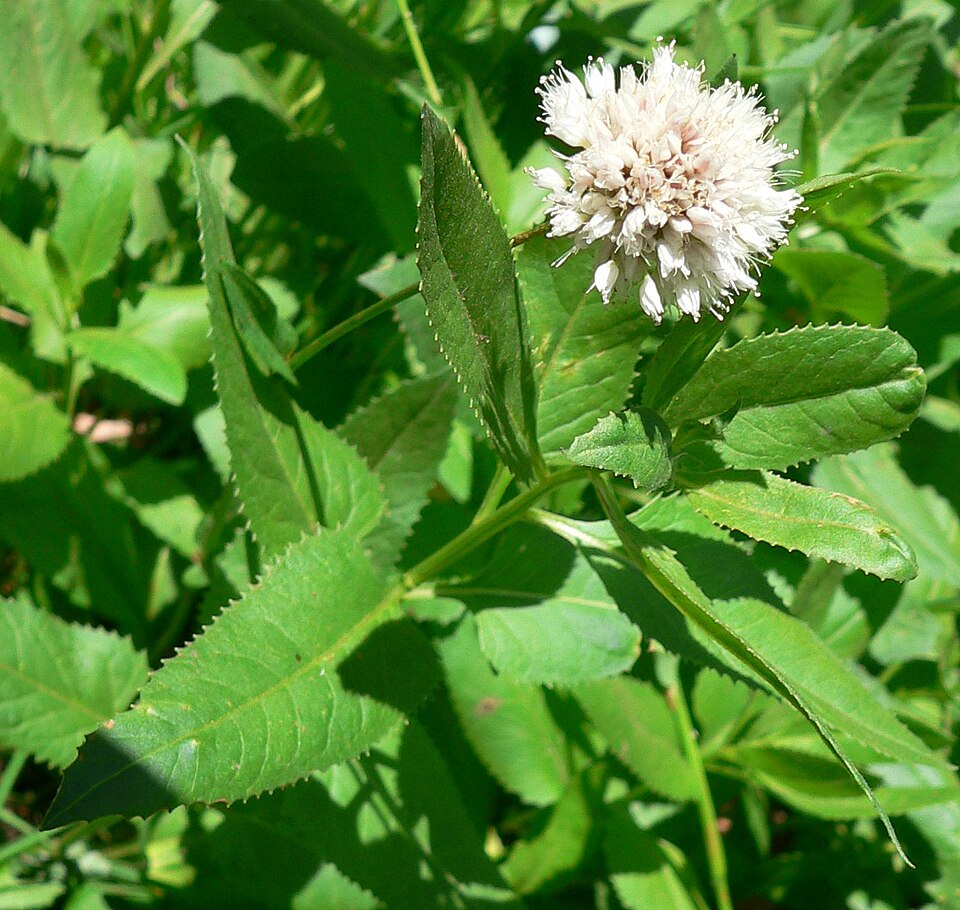
Bistorta bistortoides is a clump-forming perennial of subalpine and alpine meadows in the mountains of western North America, growing 8-28 inches (20-70 cm) tall from a thick, contorted rhizome. Most of the foliage is basal: smooth, oblong to lance-shaped leaves 2-10 inches (5-25 cm) long on long stalks, with a few smaller leaves up the stem. In summer each slender, mostly leafless stalk is topped by a dense, oblong to cylindrical spike 0.75-2 inches (2-5 cm) long packed with small white to pale pink flowers, giving a bottlebrush look above the meadow grass. The flowers draw bees, flies, and butterflies in the short mountain season. After flowering the plant sets small three-angled seeds and dies back to the rhizome for winter. It depends on cool summers, snowmelt moisture, and open sun, and performs poorly in hot lowland gardens or dry soil. The thick rhizome stores starch and was historically eaten by Indigenous peoples and wildlife. Bloom is concentrated in a few summer weeks tied to snowmelt.
Native Range
Native to the mountains of western North America, from British Columbia and Alberta south through the Rockies, Sierra Nevada, and Cascades, in wet subalpine and alpine meadows, streamsides, and moist slopes.Suggested Uses
Grown in alpine gardens, moist meadow plantings, and streamside beds in cool-summer climates. Used in mountain and bog garden settings where soils stay damp. Its need for cool, moist conditions restricts its use in hot or dry lowland gardens.How to Identify
Appearance
Size & Dimensions
Height8" - 2'4"
Width/Spread8" - 1'
Bloom Information
Flowers open in summer, generally June through August, in a brief flush set by snowmelt and elevation. Each stem carries a dense spike of small white to pale pink flowers. Bees, flies, and butterflies visit the spikes during the short mountain season.
Detailed Descriptions
Flower Description
White to pale pinkFoliage Description
GreenGrowing Conditions
Sun Requirements
Requires 6-12 hours of direct sunlight daily
• Full Sun: 6+ hours of direct sunlight
• Partial Shade: 3-6 hours of direct sunlight
• Full Shade: Less than 3 hours of direct sunlight
Care & Maintenance
Care Guide
Full sun and consistently moist, cool soil suit this mountain perennial, which grows naturally in snowmelt-fed meadows. It tolerates a soil pH from about 5.5 to 7.0 and needs steady moisture through the growing season. Hot summers, dry soil, and low elevation weaken the plant and shorten its life. It spreads slowly from a thick rhizome and self-sows where conditions stay cool and damp. Few pests trouble it in cultivation. The foliage dies back to the rhizome each autumn and re-emerges after snowmelt.Pruning
Spent flower stalks can be cut after bloom, or left to set and scatter seed. Old foliage is removed in late autumn or left to die back naturally. No other pruning is required.Container Growing
Suitable for container growing
Minimum container size: 2 gallons