Overview
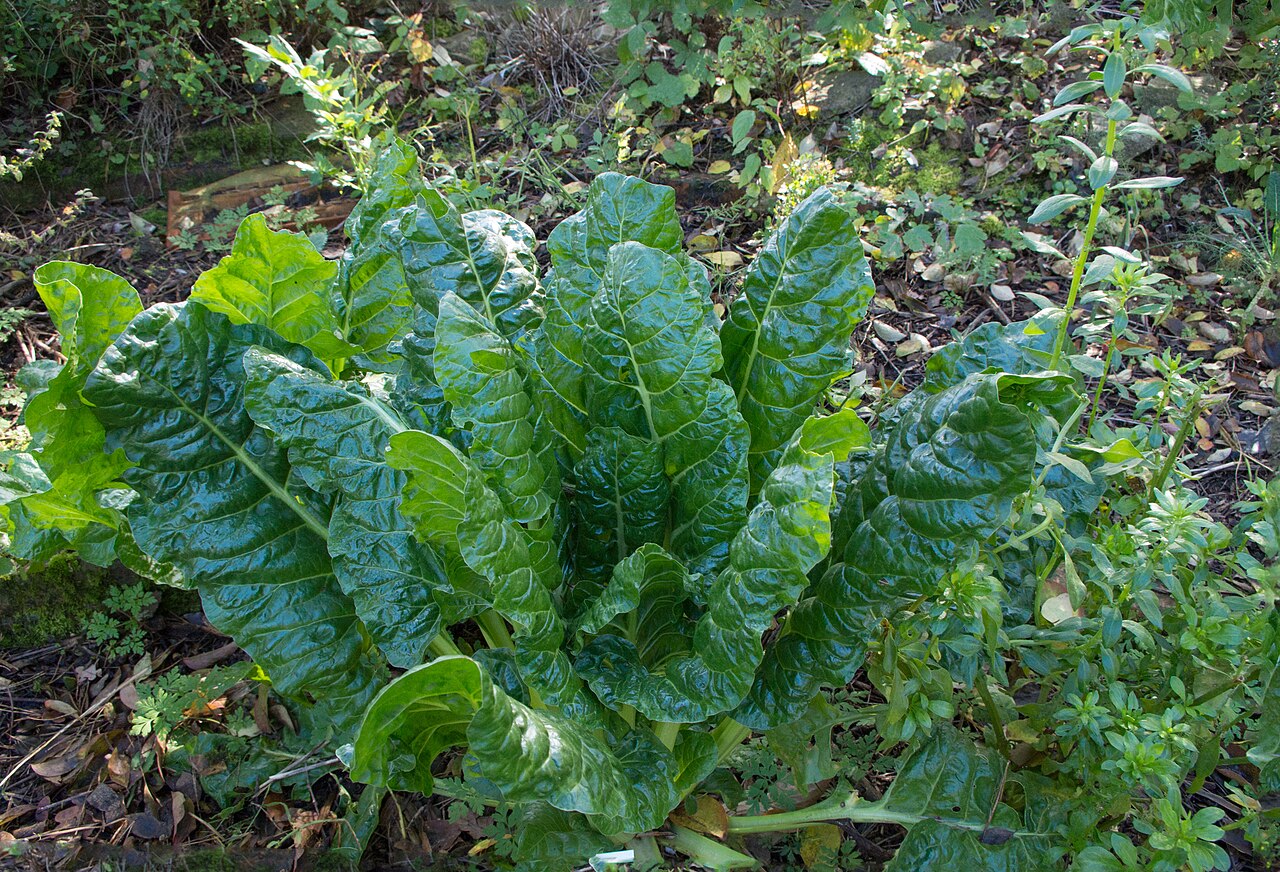
Beta is a genus of about a dozen species in the amaranth family, native to the coasts and disturbed ground of Europe, the Mediterranean, and western Asia. The genus is known mainly through B. vulgaris, the cultivated beet, whose forms include garden beetroot, sugar beet, mangel, and the leaf crop chard. Wild sea beet, B. maritima, the ancestor of these crops, grows as a sprawling, salt-tolerant perennial on shingle beaches and sea walls. Cultivated beets are biennials grown as annuals: in the first season they build a rosette of glossy, often red- or yellow-stemmed leaves above a swollen root, and only in the second season do they send up branched flowering stalks 3-5 feet (0.9-1.5 m) tall. The flowers are small, green, petal-less, and wind-pollinated, clustered along the upper stems. Leaves and roots are eaten, and sugar beet roots are processed for sucrose. The genus tolerates salt and a wide soil range but needs steady moisture for tender growth, and it bolts to flower early after cold spells or in long days. Plants store food in the root through the first winter before flowering.
Native Range
Native to the coastlines and inland disturbed soils of Europe, the Mediterranean Basin, and western Asia. Wild sea beet grows along the Atlantic, North Sea, and Mediterranean shores.Suggested Uses
Grown in vegetable beds and containers for edible roots and leaves, and as a field crop for sugar and livestock feed. Colorful-stemmed chards are also planted in ornamental borders. Plants need open, sunny ground and do not perform in dry or heavily shaded sites.How to Identify
Appearance
Size & Dimensions
Height1' - 5'
Width/Spread10" - 1'6"
Bloom Information
Flowering occurs in the second year, in summer, after the plant has overwintered. Tall green flower spikes are wind-pollinated and without showy petals. Most growers harvest before this stage, so flowering is seen mainly in plants left to seed.
Detailed Descriptions
Foliage Description
green, often with red, pink, yellow, or white stems and veinsGrowing Conditions
Sun Requirements
Requires 6-12 hours of direct sunlight daily
• Full Sun: 6+ hours of direct sunlight
• Partial Shade: 3-6 hours of direct sunlight
• Full Shade: Less than 3 hours of direct sunlight
Water & Climate
Water Needs
Care & Maintenance
Care Guide
Plants grow in full sun to light shade on deep, loose, evenly moist soil enriched with organic matter and free of fresh stones. Seed is sown directly from spring through midsummer, about 0.5-1 inch (1-2 cm) deep, and seedlings are thinned to 3-4 inches (8-10 cm) for roots or 6-9 inches (15-23 cm) for leaf crops. Steady moisture keeps roots from turning woody and leaves from going bitter. Beets tolerate near-neutral to slightly alkaline soil and some salt, but acidic ground below pH 6 limits growth. Cold snaps below about 50 F (10 C) on young plants can trigger early bolting. Roots mature roughly 50-70 days from sowing, and chard yields leaves over a longer season.Pruning
Routine pruning is not required. Outer chard leaves are picked individually over the season while the center keeps producing. Flower stalks that appear in the first year signal bolting and are removed, as leaf and root quality declines once they form.Container Growing
Suitable for container growing
Minimum container size: 3 gallons