Bergenia, Genus,
- Genus
Elephant ears
Overview
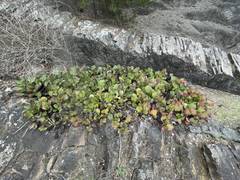
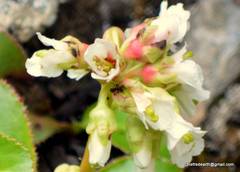
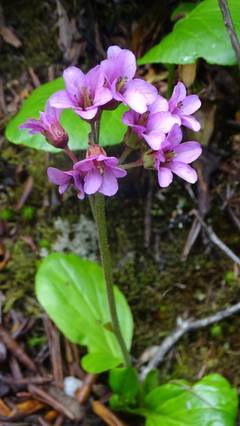
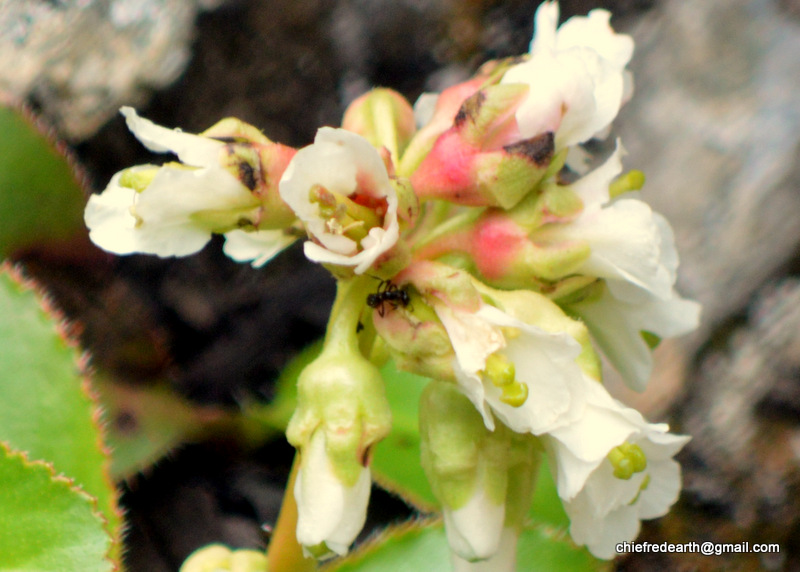
Bergenia is a genus of about 10 evergreen perennials in the saxifrage family (Saxifragaceae), native to central and eastern Asia, from Afghanistan through the Himalaya to China and Mongolia. Plants grow from thick, surface-creeping rhizomes into low, slowly spreading clumps 12-18 inches (30-45 cm) tall and 18-24 inches (45-60 cm) wide. The leaves are large, rounded to paddle-shaped, 6-12 inches (15-30 cm) long, thick and leathery with a glossy surface, and many turn bronze or red in cold weather, giving rise to the name elephant-ears. In late winter and spring, stout reddish stalks lift branched clusters of bell-shaped flowers in pink, magenta, white, or red above the foliage. The genus tolerates a wide range of conditions, from sun to shade and from moist to fairly dry soil, once established. Slugs and snails graze the leaves, and old foliage grows ragged and needs removing to keep the clump tidy. Several hybrids and named selections extend the flower colours and leaf tones beyond those of the wild species.
Native Range
Native to central and eastern Asia, from Afghanistan and the Himalaya through Tibet, China, and Mongolia, where most species grow on rocky slopes, alpine meadows, and open woodland. Garden plants are largely hybrids derived from several of these species.Suggested Uses
Used as evergreen ground cover, edging along paths and borders, and underplanting beneath shrubs, where the bold leaves cover the ground year-round. The early flowers and winter leaf colour add interest in the cold months. Plants suit rock gardens, woodland edges, and containers, and tolerate urban and coastal conditions.How to Identify
Appearance
Size & Dimensions
Height1' - 1'6"
Width/Spread1'6" - 2'
Bloom Information
Flowering runs from late winter into mid-spring (February-April), earlier in mild areas and later where winters are long. The bell-shaped flowers are carried in nodding to upright clusters and draw early bees. In cool climates a few flowers may reappear in autumn.
Detailed Descriptions
Flower Description
Pink, magenta, white, or redFoliage Description
Green, bronze-red in winterGrowing Conditions
Sun Requirements
Requires 2-8 hours of direct sunlight daily
• Full Sun: 6+ hours of direct sunlight
• Partial Shade: 3-6 hours of direct sunlight
• Full Shade: Less than 3 hours of direct sunlight
Care & Maintenance
Care Guide
Grow in full sun to full shade in most soils, including clay, as long as drainage is reasonable; flowering is heavier in sun and foliage colour stronger in cold, exposed spots. Established plants tolerate drought, though steady moisture keeps the leaves fuller. Most species and hybrids are hardy in USDA zones 3-8 and hold their leaves through winter. Slugs, snails, and vine weevil can disfigure the foliage. Old, tattered, and frost-burned leaves are removed in spring to keep the clump fresh. Lifting and dividing crowded clumps every few years renews vigor and spreads the planting.Pruning
Spent flower stalks are cut to the base after bloom, and worn or discoloured leaves are pulled or trimmed away through the year. Overgrown clumps are lifted and divided in spring or after flowering, with the rhizome cut into rooted sections. No other regular pruning is needed.Container Growing
Suitable for container growing
Minimum container size: 2 gallons