Image 1 of 12
1 / 12
Plant Reference
Bergenia, Genus, spp., Multiple species,
- Genus
- Multiple species
bergenia
Central Asia — Siberia, Mongolia, China, the Himalaya, and Afghanistan; rocky slopes, mountain meadows, and forest margins at middle to upper elevations
Overview
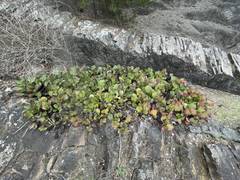
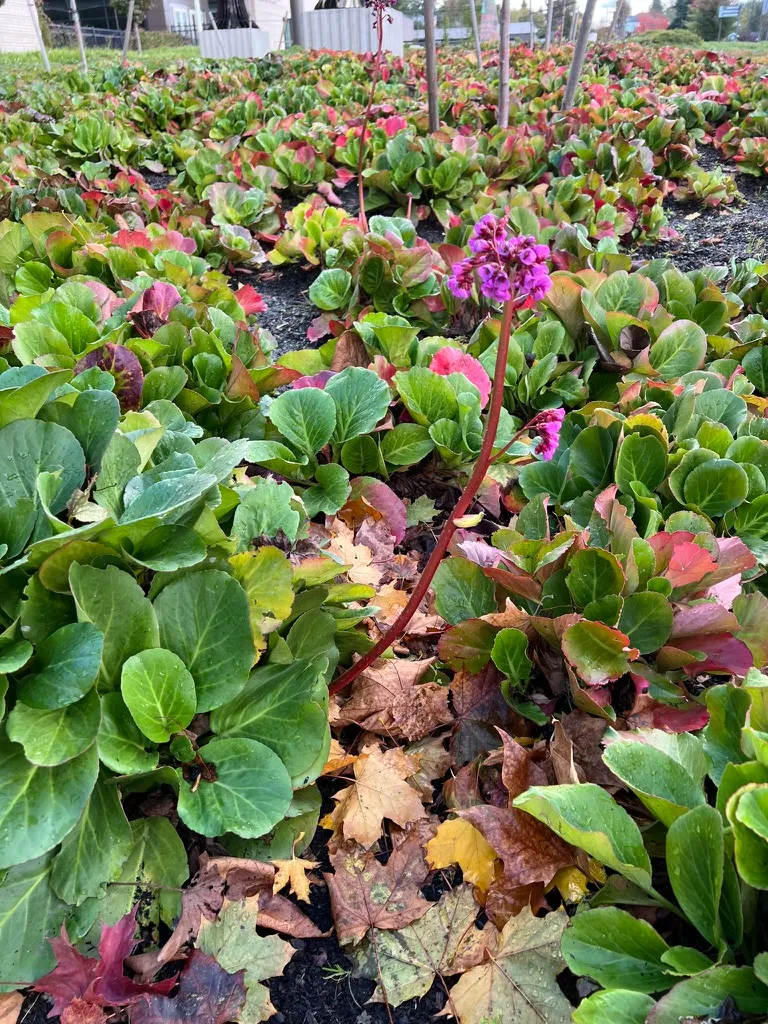
Bergenia spp. is a genus of approximately 10 species of clumping evergreen perennials in the saxifrage family Saxifragaceae growing 12–24 inches (30–60 cm) tall and 12–24 inches (30–60 cm) wide from thick fleshy surface rhizomes that spread slowly to form ground-covering colonies over several years. The common name elephant's ears refers to the large rounded to spoon-shaped leathery glossy leaves 6–12 inches (15–30 cm) long that are the main year-round ornamental feature — the leaf size and shape are much larger than those of any other commonly cultivated member of the Saxifragaceae and give the genus a bold foliage texture that contrasts with the smaller-leaved perennials in mixed shade borders. Many species and cultivars develop burgundy to maroon tints in the foliage during winter as cold temperatures trigger anthocyanin pigment production in the leaf tissue, and this cold-triggered winter color is a genus-wide trait that is most strongly expressed in cultivars selected for winter color such as 'Winter Glow' and 'Bressingham Ruby'. Pink, magenta, white, or red flowers open in dense clusters on stout fleshy stems 12–18 inches (30–45 cm) tall in March, April, and May across a 3–4 week bloom period, and the spring bloom is an early-season display that arrives before most other shade perennials have begun to flower. Species commonly cultivated include B. crassifolia (heartleaf bergenia — the hardiest species, tolerant to zone 3), B. cordifolia (heart-shaped leaves), and B. ciliata (hairy bergenia — deciduous in cold climates rather than evergreen). Hybrids and cultivars include 'Bressingham Ruby' (deep pink flowers and red-flushed leaves), 'Winter Glow' (strong winter burgundy color), and 'Silberlicht' (white flowers aging to pink). The genus tolerates dry shade, heavy clay, urban pollution, and extended neglect without significant decline, and this wide tolerance of difficult growing conditions is the main reason for the genus's widespread use as a low-maintenance ground cover and border perennial across temperate gardens. Limitation: slug and snail damage on the large leathery leaves is the primary pest concern because the leaf surface and the moist shade positions where the genus grows are both favored by slugs, and regular slug management (trapping, barriers, or ferric phosphate bait) is needed in gardens with heavy slug populations. Vine weevil larvae can damage the thick rhizomes in container culture. Native to central Asia — Siberia, Mongolia, China, the Himalaya, and Afghanistan — growing on rocky slopes, mountain meadows, and forest margins at middle to upper elevations. Non-toxic and deer-resistant. This entry represents the genus.
Native Range
Native to central Asia — Siberia, Mongolia, China, the Himalaya, and Afghanistan — growing on rocky slopes, mountain meadows, and forest margins at middle to upper elevations in continental and montane climates. The genus has been cultivated in European gardens since the 18th century, and the large leathery leaves and the early spring flowers made the genus a cottage-garden staple across the British Isles and northern Europe during the 19th and 20th centuries.Suggested Uses
Used as an evergreen ground cover, border edging, mass planting under trees, and in containers of at least 3 gallons (11 L) at 12–24 inch (30–60 cm) spacing between plants. The large leathery evergreen leaves with winter burgundy tints, the early-spring flowers, and the tolerance of dry shade, clay, and neglect combine to make the genus a low-maintenance perennial for difficult shade positions where many other plants decline. Companion plantings of Hosta, Heuchera, Brunnera, and woodland ferns pair well with the genus in mixed shade borders. The 'Variegated' and winter-color cultivars ('Winter Glow', 'Bressingham Ruby') expand the foliage interest beyond the species-type dark green. Gardens with heavy slug populations call for active slug management because the large leathery leaves are a target for slug and snail feeding damage.How to Identify
Appearance
Size & Dimensions
Height1' - 2'
Width/Spread1' - 2'
Colors
Bloom Information
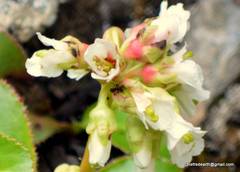
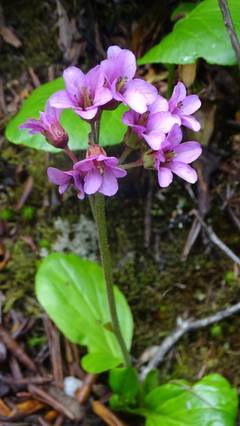
Pink, magenta, white, or red flowers open in dense clusters on stout fleshy stems 12–18 inches (30–45 cm) tall in March, April, and May across a 3–4 week bloom period. The early-spring bloom arrives before most other shade perennials have begun to flower and supplies early-season nectar for honeybees and bumblebees that are active during the cool spring months. The evergreen foliage with winter burgundy tints — not the flowers — is the year-round ornamental feature.
Detailed Descriptions
Flower Description
pink, magenta, white, or red flowers in dense clusters on stout fleshy stems 12-18 inches (30-45 cm) tall in early to mid-springFoliage Description
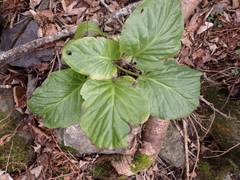
dark green and glossy; large rounded to spoon-shaped leathery leaves 6-12 inches (15-30 cm) long; many species and cultivars develop burgundy to maroon tints in the foliage during winter as cold temperatures trigger anthocyanin pigment production in the leaf tissue; evergreen year-round in most climatesGrowing Conditions
Sun Requirements
Requires 2-6 hours of direct sunlight daily
• Full Sun: 6+ hours of direct sunlight
• Partial Shade: 3-6 hours of direct sunlight
• Full Shade: Less than 3 hours of direct sunlight
Care & Maintenance
Care Guide
Site in partial shade to full sun with 2–6 hours of direct sun per day (the genus also tolerates full shade, though flowering is reduced in deep shade). Well-drained loam or clay soil with a pH of 5.5–7.5 holds the thick rhizomes through all seasons, and the genus tolerates dry shade, heavy clay, urban pollution, and extended neglect without significant decline. Drought tolerance develops once the rhizomes and the leathery leaves are established. Slug and snail damage on the large leathery leaves is the primary pest concern, and regular slug management is needed in gardens with heavy slug populations. Spent flower stems are removed at the base after bloom, and tattered or damaged leaves are removed throughout the season to keep the colony clean. Division of congested clumps is done every 3–4 years in spring by lifting and separating the thick rhizome sections. Non-toxic and deer-resistant. Hardy in USDA zones 3–8.Pruning
Spent flower stems are cut at the base after bloom in late spring. Tattered, damaged, or cold-scorched leaves are removed throughout the season by pulling or cutting at the base of the leaf petiole. The evergreen foliage is self-maintaining and the genus does not call for shearing or cutting back. Division of congested clumps is done every 3–4 years in spring by lifting the clump and separating the thick fleshy rhizome sections into individual divisions, each with at least 2–3 leaves and attached roots, and replanting at the original depth.Pruning Schedule
Prune: March
early spring
Container Growing
Suitable for container growing
Minimum container size: 3 gallons