Barbarea, Genus, orthoceras, Species,
- Genus & species
American yellowrocket
Overview
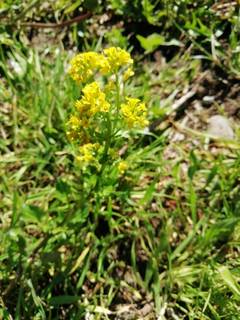
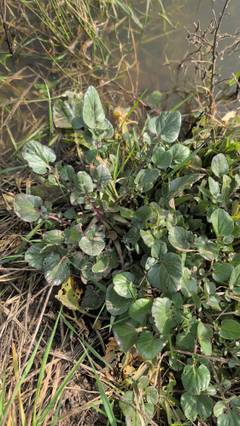
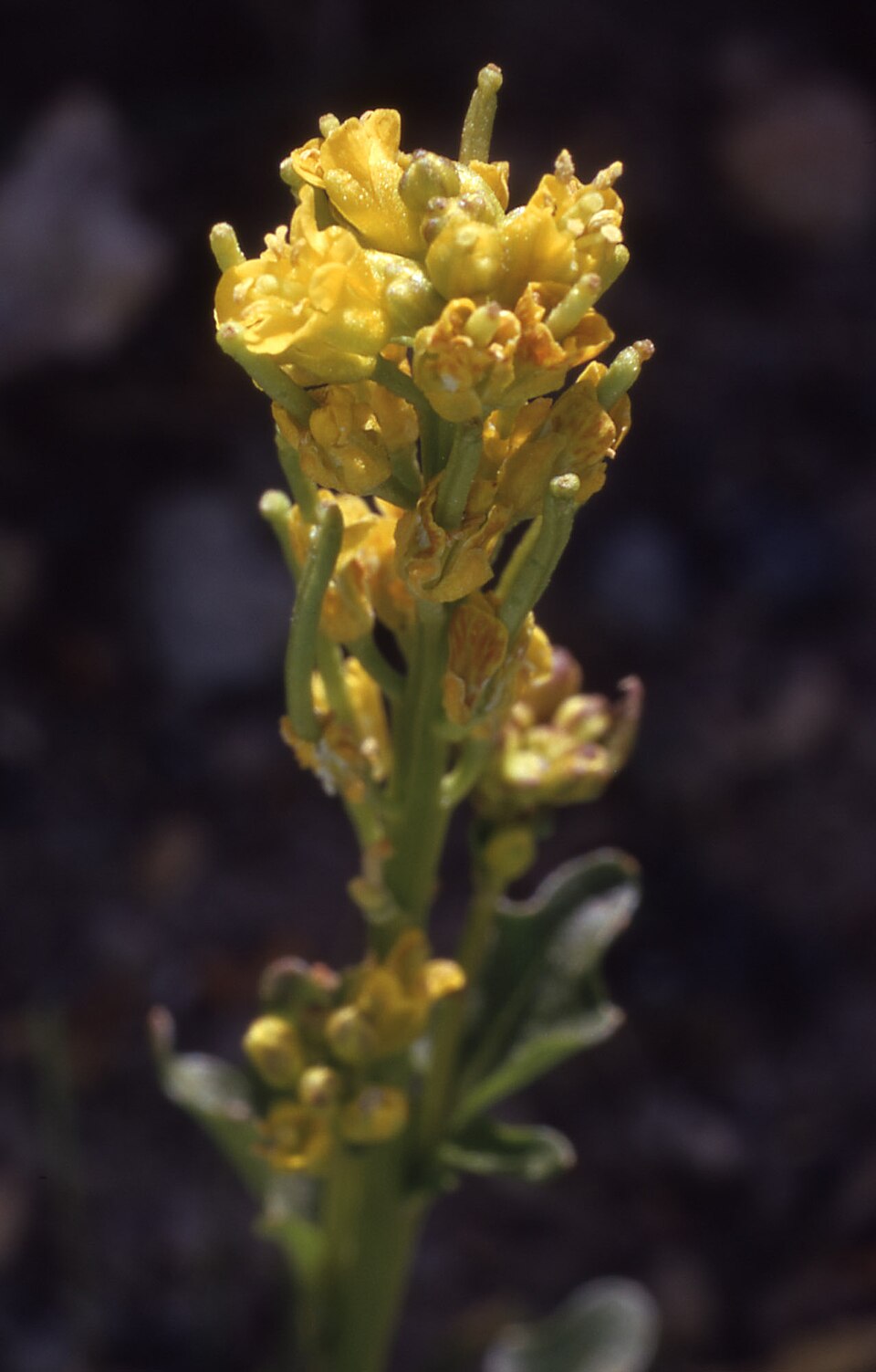
Barbarea orthoceras is a biennial to short-lived perennial reaching 1-3 feet (30-90 cm) tall, forming a basal rosette in its first year and an erect, branched flowering stem in the second. The basal leaves are lyre-shaped with a large rounded terminal lobe and one to four smaller side lobes, 2-6 inches (5-15 cm) long; stem leaves are smaller and clasp the stem. Four-petaled yellow flowers about 0.25 inch (6 mm) across are carried in dense terminal racemes from late spring into summer. The fruit is a slender erect pod 0.8-2 inches (2-5 cm) long held close to the stem, splitting to release small seeds. B. orthoceras grows in moist ground along streambanks, wet meadows, ditches, and disturbed sites across much of North America and into northeastern Asia. The leaves and young shoots have a peppery, mustard-like flavor. Top growth dies back after seed set, and first-year rosettes overwinter to flower the next year. Plants self-seed and can spread on bare, moist soil.
Native Range
Barbarea orthoceras is native across much of North America, from Alaska and Canada south through the western and northern United States, and extends into northeastern Asia. It grows in moist meadows, streambanks, ditches, and seasonally wet disturbed ground.Suggested Uses
Barbarea orthoceras is grown in rain gardens, pond and stream margins, and native plant plantings on moist ground, spaced 8-12 inches (20-30 cm) apart. Its early yellow flowers draw spring pollinators. The young leaves are used as a peppery salad or potherb green.How to Identify
Appearance
Size & Dimensions
Height1' - 3'
Width/Spread6" - 1'
Bloom Information
Detailed Descriptions
Foliage Description
GreenGrowing Conditions
Sun Requirements
Requires 4-10 hours of direct sunlight daily
• Full Sun: 6+ hours of direct sunlight
• Partial Shade: 3-6 hours of direct sunlight
• Full Shade: Less than 3 hours of direct sunlight
Care & Maintenance
Care Guide
Barbarea orthoceras grows in full sun to part shade in moist to wet soil with a pH from 5.5 to 7.5. It grows in loam, silt, and mucky soils along water and tolerates seasonal flooding. Plants form a rosette the first year and flower the second, then set seed and die. Self-sown seedlings appear readily on bare, damp ground. Growth weakens in dry soil and deep shade. As a biennial, it is renewed by letting some plants set seed each year.Pruning
Spent flowering stems can be cut after bloom to limit self-seeding, since each stem dies after setting seed. First-year rosettes are left in place to overwinter and flower the next year. No other pruning is needed.Pruning Schedule
Prune: July–August
summer