Bahiopsis, Genus, parishii, Species,
- Genus & species
Parish's goldeneye
Sonoran and Mojave Deserts of the southwestern United States and northwestern Mexico
Overview
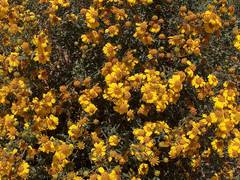
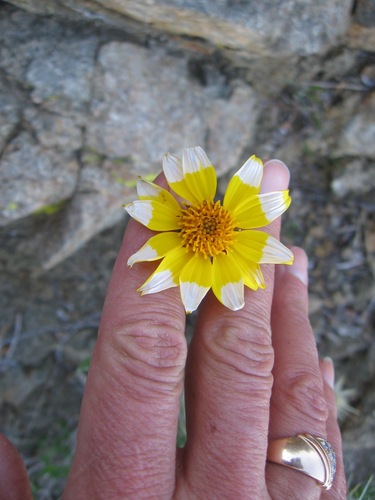
Bahiopsis parishii, Parish's goldeneye, is a rounded, multi-stemmed desert shrub in the Asteraceae, reaching 3-6 ft (90-180 cm) tall and about as wide. Formerly placed in Viguiera, it has brittle, freely branching stems clothed in rough, gray-green leaves that are triangular to ovate, 1-2.5 in (2.5-6 cm) long, with toothed margins and a sandpapery surface. Yellow flower heads about 1 in (2.5 cm) across, each with 10-15 ray florets around a yellow disk, are carried on slender stalks above the foliage. Flowering peaks in spring but recurs through much of the year whenever soil moisture allows. The shrub grows on rocky slopes, desert washes, and gravelly flats across the Sonoran and Mojave Deserts. It is drought-deciduous, shedding leaves during the driest months and releafing after rain, so it can look sparse in prolonged drought. Bahiopsis parishii needs sharp drainage and full sun, tolerates intense heat and reflected light, and is damaged by hard frost at the cold edge of its range. The brittle stems break easily in wind or under foot traffic. It supports desert bees and butterflies, and its seed feeds small wildlife in low-water plantings.
Native Range
Native to the Sonoran and Mojave Deserts of southeastern California, southern Nevada, western Arizona, and adjacent Baja California and Sonora in Mexico. It grows on rocky slopes, desert washes, and gravelly bajadas below about 4,000 ft (1,200 m).Suggested Uses
Used in desert and xeriscape gardens, revegetation of disturbed desert ground, and low-water pollinator plantings. Suited to rocky slopes and natural desert landscaping. Combines with brittlebush, creosote, and other Sonoran Desert shrubs.How to Identify
Appearance
Size & Dimensions
Height3' - 6'
Width/Spread3' - 6'
Colors
Flower Colors
Foliage Colors
Bloom Information
Flowers most heavily in spring, from February through May, and blooms intermittently at other times of year after rain. Yellow heads open over many weeks during the main flush. Flowering pauses during the hottest, driest months when the shrub drops its leaves.
Detailed Descriptions
Foliage Description
gray-greenGrowing Conditions
Sun Requirements
Requires 8-12 hours of direct sunlight daily
• Full Sun: 6+ hours of direct sunlight
• Partial Shade: 3-6 hours of direct sunlight
• Full Shade: Less than 3 hours of direct sunlight
Care & Maintenance
Care Guide
Grows in full sun and sharply drained sandy, gravelly, or rocky soil. It needs very little water once established and is suited to desert and xeric gardens. Soil pH from 6.5 to 8.5, including alkaline desert soils, is tolerated. Overwatering and poorly drained ground cause root rot. The shrub is drought-deciduous, dropping leaves in dry spells and releafing after rain. Hard frost damages stems at the cold margin of its range.Pruning
Light pruning after the main spring bloom keeps the brittle, open framework compact. Cut back leggy or wind-broken stems to a healthy node. Hard renewal pruning in late winter encourages dense regrowth and more flowering wood.Pruning Schedule
Prune: May–June
late springwinter