Bahiopsis, Genus, spp., Multiple species,
- Genus
- Multiple species
goldeneye
Overview
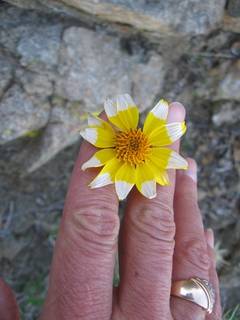
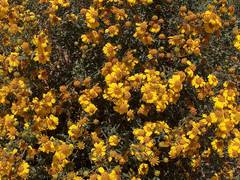
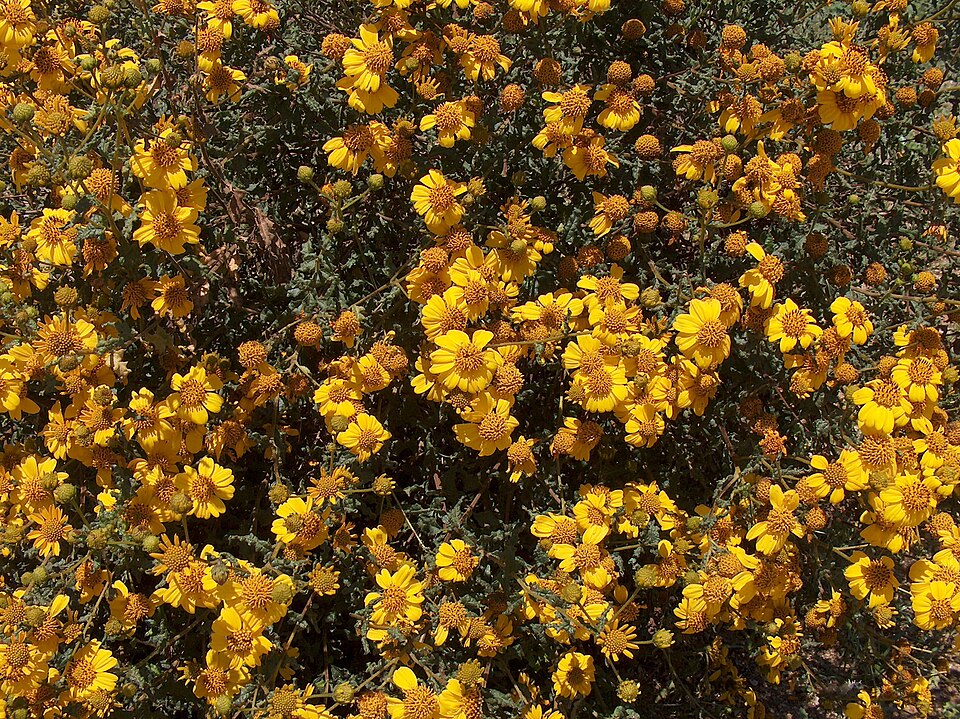
Bahiopsis is a genus of woody, shrubby perennials in the sunflower family Asteraceae, native to arid and semi-arid western North America. Most species were formerly placed in Viguiera. Plants form rounded, openly branched shrubs 2-6 feet (0.6-1.8 m) tall and about as wide, with brittle, often hairy stems. Leaves are opposite or alternate, triangular to lance-shaped, 1-3 inches (2.5-8 cm) long, rough-textured, grey-green, and sometimes lobed or toothed. Yellow flower heads 1-2 inches (2.5-5 cm) across, each with 10-15 ray florets around a yellow disk, are carried singly or in loose clusters on slender stalks above the foliage. Plants bloom over a long spring season and may flower again after summer rain. Foliage is drought-deciduous, with plants dropping leaves and going semi-dormant in the driest part of the year. Growth is moderate, and shrubs are typically short-lived, persisting 5-10 years. The brittle stems break in strong wind.
Native Range
Native to the southwestern United States and northwestern Mexico, including California, Arizona, and the Baja California peninsula, with several species restricted to coastal sage scrub and desert mountains. Plants grow on dry, rocky slopes, washes, and chaparral margins from near sea level to about 5,000 feet (1,500 m).Suggested Uses
Grown in dry gardens, native and pollinator plantings, and revegetation of disturbed desert ground, spaced 3-4 feet (0.9-1.2 m) apart. The long spring bloom draws native bees and butterflies. Plants suit slopes and unirrigated borders but are short-lived and may need replacing every several years.How to Identify
Appearance
Size & Dimensions
Height2' - 6'
Width/Spread2' - 6'
Bloom Information
Flowering occurs mainly from late winter through spring, chiefly February to May in the desert, with a secondary flush following late-summer monsoon rain. Individual heads last about a week, and the bloom period across a plant extends 6-10 weeks. Drought shortens the flowering season.
Detailed Descriptions
Foliage Description
grey-greenGrowing Conditions
Sun Requirements
Requires 6-12 hours of direct sunlight daily
• Full Sun: 6+ hours of direct sunlight
• Partial Shade: 3-6 hours of direct sunlight
• Full Shade: Less than 3 hours of direct sunlight
Care & Maintenance
Care Guide
Plants grow in full sun in fast-draining, sandy or rocky soils and decline in clay or constantly moist ground. Established shrubs are drought-tolerant and survive on natural rainfall in their range, needing no summer water once rooted. Plants tolerate heat and reflected sun but are damaged by hard frost below about 25 F (-4 C). Overwatering and poor drainage cause root rot and shorten the already brief lifespan. Few pests occur, though aphids gather on new growth in spring. Cutting back after bloom keeps plants compact and can prompt a second flush.Pruning
Cut plants back by one-third after the main spring bloom to limit legginess and encourage branching. Remove dead and brittle stems in late winter before new growth begins. Hard pruning into old, leafless wood often fails to resprout, so cuts are kept within leafy growth.Pruning Schedule
Prune: May–June
late spring
Container Growing
Suitable for container growing
Minimum container size: 5 gallons