Image 1 of 10
© Earthdirt Please attribute work to: Chris S. Packard, some rights reserved (CC-BY) · Wikimedia Commons
1 / 10
Asarum, Genus, canadense, Species,
- Genus & species
Canadian wild ginger
Overview
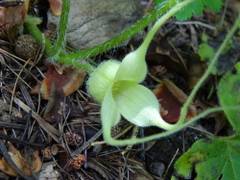
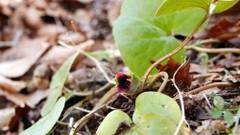
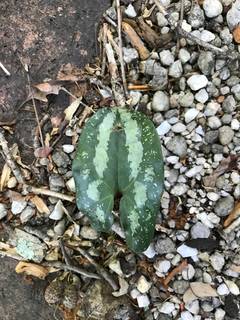
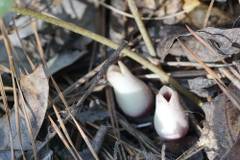
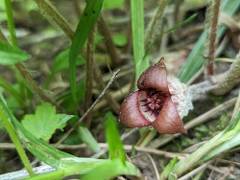
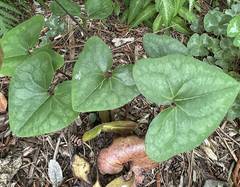
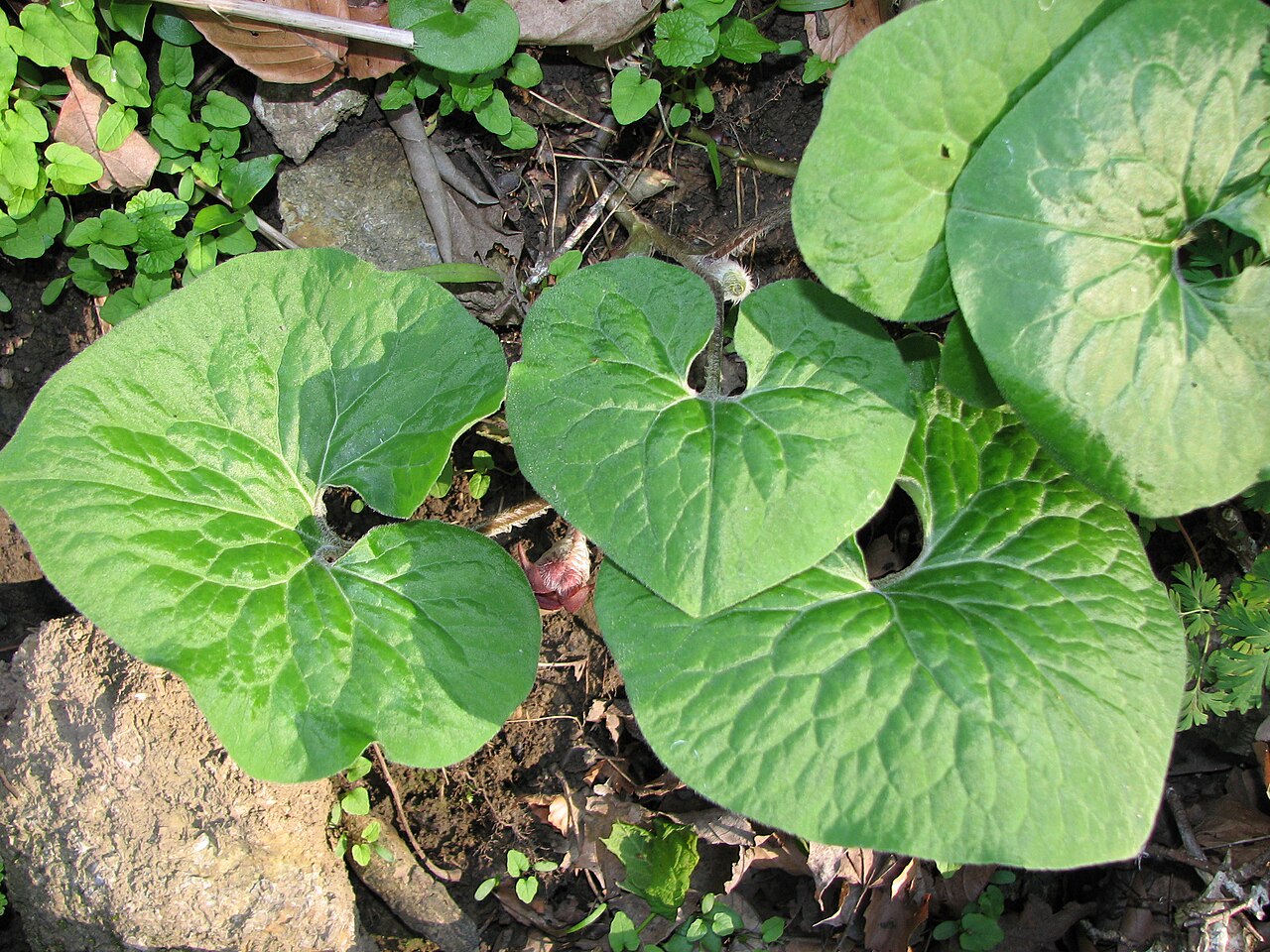
Asarum canadense is a deciduous rhizomatous perennial forming ground cover 6-8 inches (15-20 cm) tall that spreads 12-24 inches (30-60 cm) per plant over 3-4 years by rhizomes running 1-2 inches (2.5-5 cm) below the surface. Each shoot carries a pair of heart to kidney-shaped leaves 4-6 inches (10-15 cm) wide, dull dark green, covered in short hairs, on hairy stalks 6-12 inches (15-30 cm) long. Flowers are solitary and sit at ground level in the fork between the two leaf stalks, cup-shaped with three pointed reflexed lobes, maroon-brown inside, 1-1.5 inches (2.5-4 cm) across, opening in April and May. Flowers are held beneath the leaf canopy and among fallen leaves, so they are seen only by lifting the foliage; flies and beetles active in early spring carry the pollen. Seeds bear a fleshy appendage collected by ants, which move them 3-10 feet (0.9-3 m) from the parent. Foliage dies back at the first hard frost and reappears in April, leaving bare ground through winter. The rhizome smells of ginger but contains aristolochic acid, which damages the kidneys and is linked to urinary tract cancer.
Native Range
Native to eastern and central North America from New Brunswick and Quebec west to Manitoba and south to North Carolina, Alabama, and Arkansas. Grows in rich deciduous woodland, on shaded slopes, and along stream terraces from sea level to 4,000 feet (1,200 m), on moist soils high in leaf litter.Suggested Uses
Planted at 12 inch (30 cm) spacing as ground cover in shaded woodland gardens, under deciduous trees and shrubs, and along north-facing paths. Cover closes within 2-3 years and suppresses annual weed seedlings. The rhizome carries aristolochic acid and is not used as a culinary ginger substitute despite the scent.How to Identify
Appearance
Size & Dimensions
Height6" - 8"
Width/Spread1' - 2'
Colors
Foliage Colors
Bloom Information
Flowers open in April and May as the leaves expand and hold 2-3 weeks. Flowering runs 2 weeks earlier in zones 7-8 and continues into early June in zones 3-4. Flowers sit at ground level under the leaf canopy and pass unnoticed unless the foliage is lifted. Seed ripens in June and July and is carried off by ants within days of the capsule splitting.
Detailed Descriptions
Foliage Description
Dull dark greenGrowing Conditions
Sun Requirements
Tolerates up to 3 hours of direct sunlight daily
• Full Sun: 6+ hours of direct sunlight
• Partial Shade: 3-6 hours of direct sunlight
• Full Shade: Less than 3 hours of direct sunlight
Care & Maintenance
Care Guide
Soil is kept moist through the growing season with 1 inch (25 mm) of water per week in the absence of rain, since leaf margins brown within 7-10 days of drying. Shade for all but 1-2 hours of the day is required, and leaves scorch and collapse in direct afternoon sun above 80F (27C). Acid to neutral soil from pH 5.5 to 7.0 under 2-3 inches (5-8 cm) of leaf mold or composted bark matches the woodland habitat. Plants take 2-3 years to close ground cover from 12 inch (30 cm) spacing and are divided in early spring or autumn by lifting rhizome sections 3-4 inches (8-10 cm) long carrying a growth bud. Slugs and snails cut holes in the leaves during wet springs. Foliage dies back at the first hard frost and leaves bare ground until April, so plantings are interplanted with spring bulbs or ferns where winter cover is wanted.Pruning
No cutting is needed through the growing season. Dead foliage collapses after the first hard frost and breaks down in place over winter, or is cleared in late autumn where slug shelter is a concern. Rhizomes spreading beyond the intended area are severed at the edge with a spade in early spring.Pruning Schedule
Prune: November
fall