Image 1 of 7
1 / 7
© Earthdirt Please attribute work to: Chris S. Packard, some rights reserved (CC-BY) · Wikimedia Commons
Asarum, Genus, spp., Multiple species,
- Genus
- Multiple species
wild gingers
Temperate North America, Europe, and East Asia
Overview
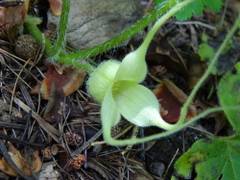
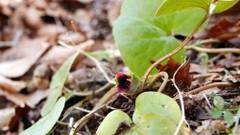
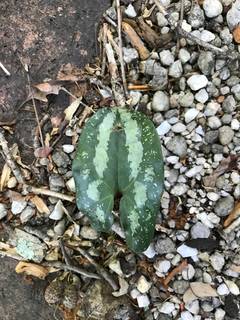
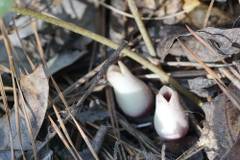
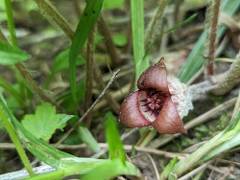
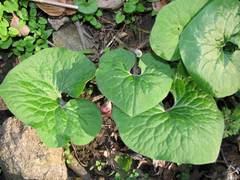
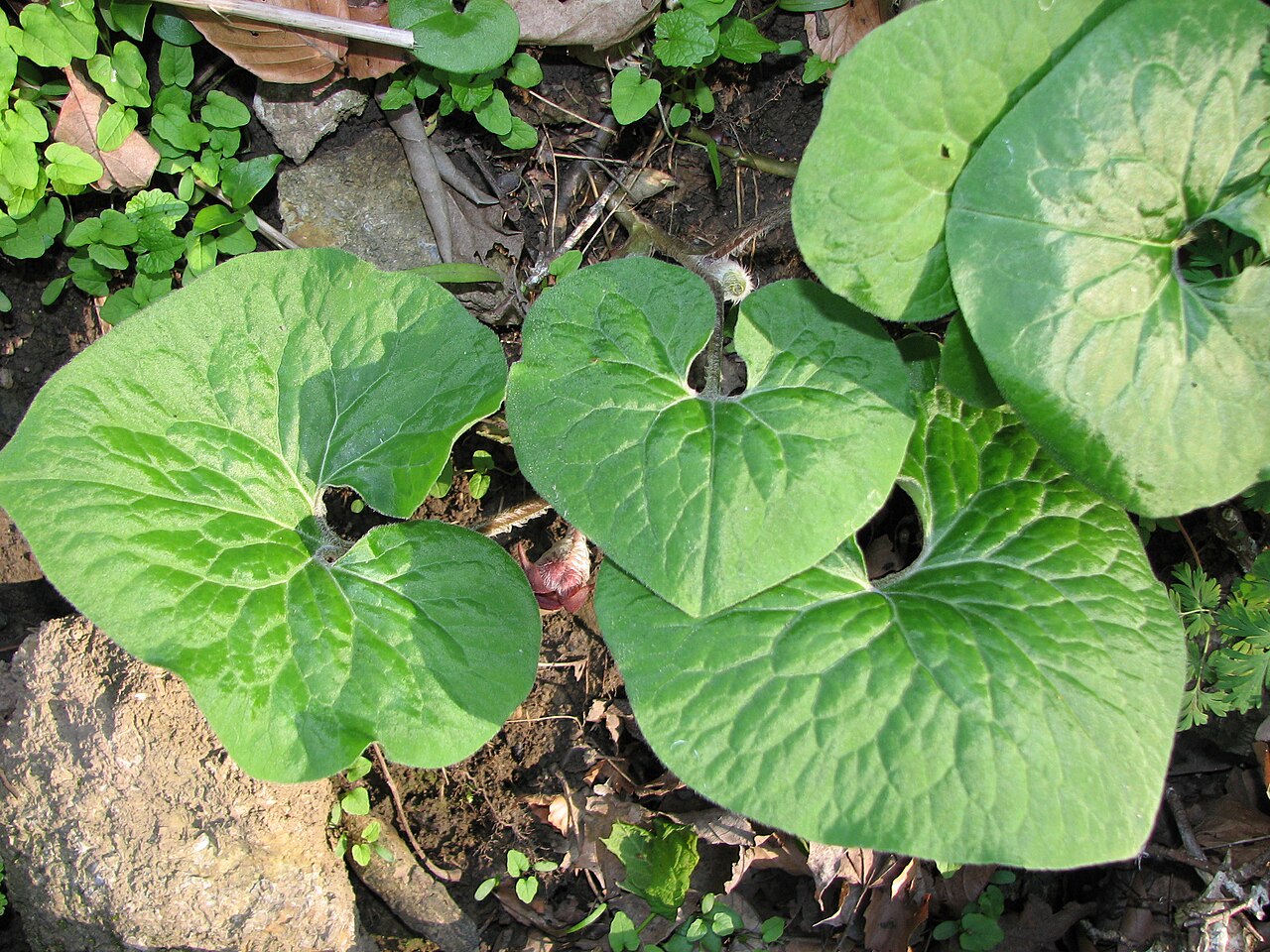
Asarum is a genus of low-growing, rhizomatous woodland perennials in the family Aristolochiaceae, commonly known as wild gingers. Depending on classification the genus holds from about 17 to more than 100 species, spread across temperate forests of North America, Europe, and eastern Asia. Plants form spreading mats 3-12 in (8-30 cm) tall from creeping rhizomes, with long-stalked, heart- to kidney-shaped leaves; some species are evergreen while others die back in winter, and a few, such as A. splendens, carry silver-mottled foliage. The rhizomes and crushed leaves give off a ginger-like scent that is the source of the common name, though the plants are unrelated to culinary ginger. Flowers appear at ground level in spring, jug- or bell-shaped and coloured maroon to brown, often hidden beneath the leaves and pollinated by ground-dwelling flies and gnats. All parts contain aristolochic acid, a compound toxic to the kidneys and listed as a human carcinogen, so the plants are not used in food or herbal preparation despite the ginger aroma. Most species spread slowly into weed-suppressing groundcover in shade.
Native Range
Wild gingers are native to temperate woodlands of the Northern Hemisphere, including eastern and western North America, Europe, and temperate East Asia, with the greatest diversity in China and Japan. A. canadense occurs across eastern North America, and A. europaeum ranges through Europe.Suggested Uses
Used as a shade groundcover under trees and shrubs, along woodland paths, and in native and rain-garden plantings, spaced 8-12 in (20-30 cm) apart. The silver-marked species are grown for foliage contrast in shaded beds.How to Identify
Appearance
Size & Dimensions
Height3" - 1'
Width/Spread8" - 1'6"
Bloom Information
Flowers open in spring, generally April to May, at or just above the soil surface. The maroon to brown blooms are short-lived, lasting about three weeks, and are often concealed by the foliage, so they are easily overlooked.
Detailed Descriptions
Flower Description
maroon to brownFoliage Description
deep green, some species silver-mottledGrowing Conditions
Sun Requirements
Tolerates up to 4 hours of direct sunlight daily
• Full Sun: 6+ hours of direct sunlight
• Partial Shade: 3-6 hours of direct sunlight
• Full Shade: Less than 3 hours of direct sunlight
Care & Maintenance
Care Guide
Across the genus, Asarum grows in partial to full shade in moist, humus-rich, slightly acidic soil. Plants spread by rhizomes into groundcover and depend on steady moisture, declining in dry or compacted soil. Most species are hardy, tolerating winter cold in USDA zones 4-8, though some Asian species are more frost-tender. They establish slowly over two to three years, with poor recovery after root disturbance. A leaf-litter mulch matches their woodland origins. Evergreen species hold their leaves through mild winters, while deciduous species die back to the rhizome.Pruning
No routine pruning is needed. On evergreen species, tattered or winter-damaged leaves are cut away in early spring before new growth emerges. Deciduous species are left to die back on their own, with old foliage cleared as it withers.Container Growing
Suitable for container growing
Minimum container size: 1 gallons