Asarum, Genus, europaeum, Species,
- Genus & species
European wild ginger
Europe (British Isles to western Siberia)
Overview
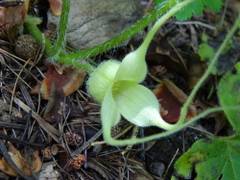
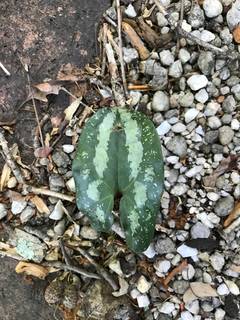
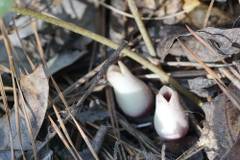
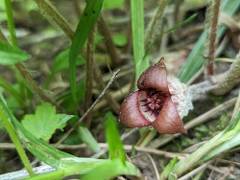
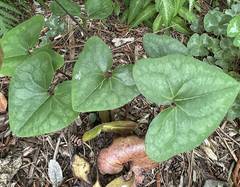
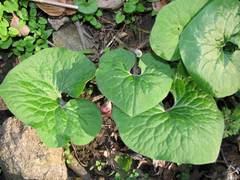
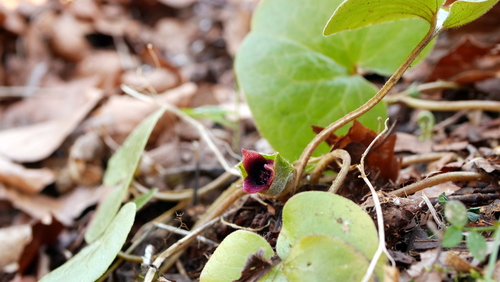
Asarum europaeum is a rhizomatous evergreen perennial reaching 4–6 inches (10–15 cm) tall with a spread of 12–18 inches (30–45 cm). Leaves are kidney-shaped to rounded, 2–3 inches (5–8 cm) across, glossy dark green, thick and leathery, borne on hairy petioles 3–5 inches (8–13 cm) long. The foliage forms a dense, overlapping ground-layer canopy with a polished appearance. Flowers are borne singly at ground level beneath the foliage, bell-shaped, 0.5 inch (1.3 cm) long, greenish-brown to purplish-brown with three short, incurved calyx lobes. The plant spreads by shallow rhizomes at a rate of 3–6 inches (8–15 cm) per year, slower than A. caudatum. All parts emit a ginger-like scent when crushed. Foliage is reliably evergreen in zones 5–8, maintaining its glossy appearance through winter in all but the most severe conditions. In zone 4, foliage may brown during extended cold below −20°F (−29°C). Slugs feed on foliage in wet conditions. The plant declines in dry soils and does not tolerate drought or full sun exposure.
Native Range
Asarum europaeum is native to Europe, from the British Isles and Scandinavia south to the Mediterranean region and east through central Europe to the Ural Mountains and western Siberia. It grows in deciduous and mixed forests, typically on calcareous or neutral soils in humus-rich, moist conditions.Suggested Uses
Planted as a ground cover in woodland gardens and shaded borders at 10–12 inch (25–30 cm) spacing for full coverage within 3–4 years. The slow spread and dense, glossy foliage suit formal shaded areas, edging along paths, and underplanting beneath specimen trees. Grows in containers of at least 3 gallons (11 L) in a humus-rich, moisture-retentive mix.How to Identify
Appearance
Size & Dimensions
Height4" - 6"
Width/Spread1' - 1'6"
Bloom Information
Greenish-brown to purplish-brown bell-shaped flowers appear at ground level in April–May, concealed beneath the foliage. Individual flowers last 3–4 weeks. Flowers are pollinated by ground-dwelling insects. Seed capsules develop at ground level by mid-summer; seeds are dispersed by ants.
Detailed Descriptions
Flower Description
Greenish-brown to purplish-brownFoliage Description
Glossy dark green, leatheryGrowing Conditions
Sun Requirements
Requires 1-3 hours of direct sunlight daily
• Full Sun: 6+ hours of direct sunlight
• Partial Shade: 3-6 hours of direct sunlight
• Full Shade: Less than 3 hours of direct sunlight
Care & Maintenance
Care Guide
Plant in humus-rich, consistently moist, well-drained soil in full shade to partial shade. This species tolerates a wider pH range than A. caudatum, growing in neutral to slightly alkaline soils as well as acidic conditions. Drought causes foliage to wilt and brown; supplemental water is necessary during dry periods exceeding one week. Slugs and snails damage foliage, particularly in wet spring weather. The slow rhizome expansion means colonies take 4–5 years to form a dense ground cover from initial plantings. In zone 4, a light mulch of 1–2 inches (2.5–5 cm) of leaf litter in fall helps maintain winter foliage quality.Pruning
No pruning required. Winter-damaged or yellowed leaves can be removed in early spring before new growth emerges. In reliably evergreen zones, remove only individual damaged leaves as needed. The colony expands naturally by rhizomes and does not require cutting back.Pruning Schedule
Prune: March
early spring
Container Growing
Suitable for container growing
Minimum container size: 3 gallons