Arundinaria, Genus, gigantea, Species,
- Genus & species
river cane
Southeastern and south-central United States
Overview
Arundinaria gigantea is North America's largest native bamboo, a woody, evergreen, rhizome-spreading grass forming colonies of hollow, jointed canes 6-25 feet (2-8 m) tall and 0.5-1.5 inches (1.3-4 cm) thick. The canes branch in their upper parts, carrying lance-shaped leaves 4-12 inches (10-30 cm) long that stay green through winter in mild areas. Underground runners spread widely, so a single plant can grow into a dense thicket known as a canebrake. Flowering is irregular and infrequent, occurring at intervals of many years; whole colonies may bloom at once and then die back. It grows on floodplains, riverbanks, low moist woods, and swamp edges across the southeastern and south-central United States. The vigorous spreading rhizomes make it hard to contain, and it can overtake nearby plantings if not edged or confined.
Native Range
Arundinaria gigantea is native to the southeastern and south-central United States, from Maryland and the Ohio Valley south to Florida and west to Texas. It grows on floodplains, riverbanks, moist woods, and swamp margins.Suggested Uses
Used for streambank stabilization, wildlife habitat, screens, and naturalized wet areas where its spread is acceptable or contained. The colonies shelter birds and other wildlife, and historically the canes were used for fishing poles, baskets, and building. It needs ample room or a root barrier in garden settings.How to Identify
Appearance
Size & Dimensions
Height6' - 25'
Width/Spread6' - 20'
Bloom Information
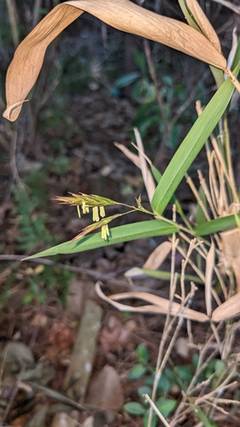
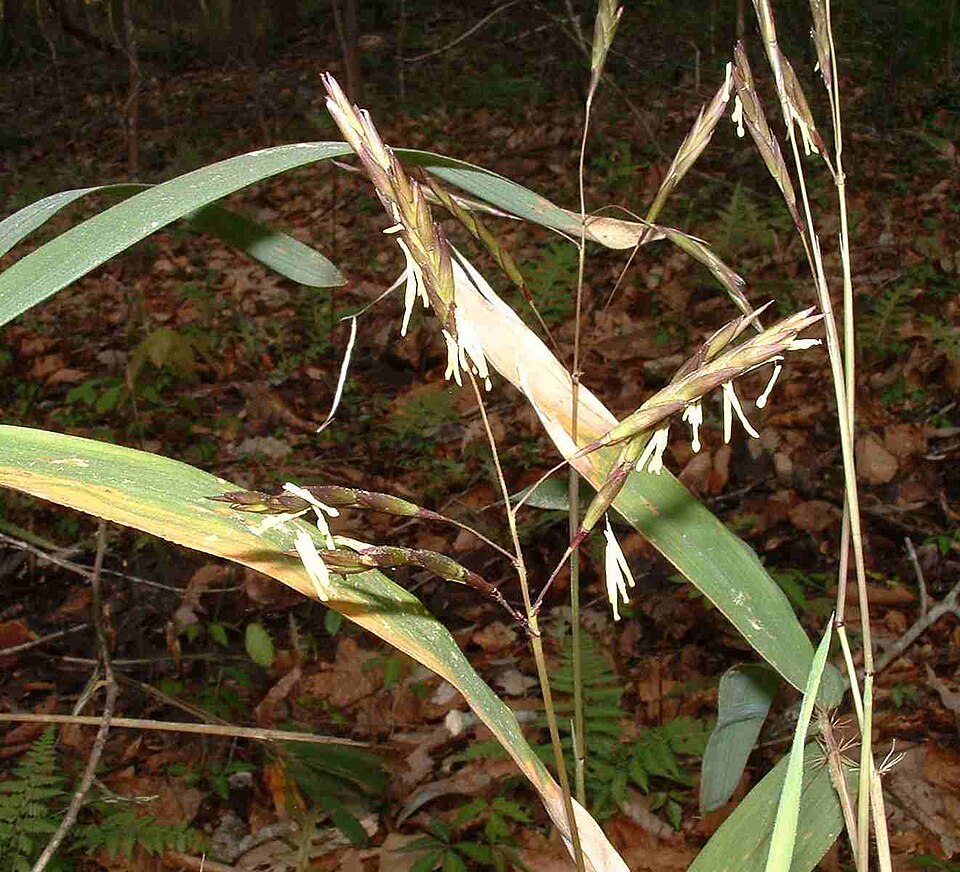
Flowering is rare and irregular, happening only at intervals of many years rather than annually. When it occurs, an entire colony may flower at once, set seed, and then die back. Because of this, the plant is grown for its canes and foliage rather than its bloom.
Detailed Descriptions
Foliage Description
greenGrowing Conditions
Sun Requirements
Requires 4-10 hours of direct sunlight daily
• Full Sun: 6+ hours of direct sunlight
• Partial Shade: 3-6 hours of direct sunlight
• Full Shade: Less than 3 hours of direct sunlight
Care & Maintenance
Care Guide
Grows in full sun to part shade in moist, fertile, slightly acidic soil with a pH near 5.0-7.0, and tolerates seasonal flooding and wet ground. It spreads by running rhizomes and forms dense colonies, so a root barrier or regular edging keeps it in bounds. Established plants tolerate brief dry spells but grow most strongly with steady moisture. No routine feeding is needed in fertile soil. New canes emerge in spring and reach near-full height in a single season.Pruning
Thin old, dead, or crowded canes at ground level in late winter or spring. Cutting canes back does not stop the spreading rhizomes, which must be edged or barriered. Damaged canes do not regrow taller, so they are removed at the base.Pruning Schedule
Prune: February–March
winterearly spring
Container Growing
Suitable for container growing
Minimum container size: 15 gallons