Aruncus, Genus, dioicus, Species,
- Genus & species
goatsbeard
North America (Pacific Northwest, eastern North America), Europe, and Asia; moist mountain forests, stream banks, and ravines
Overview
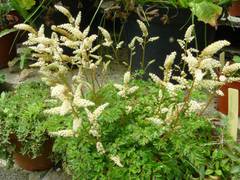
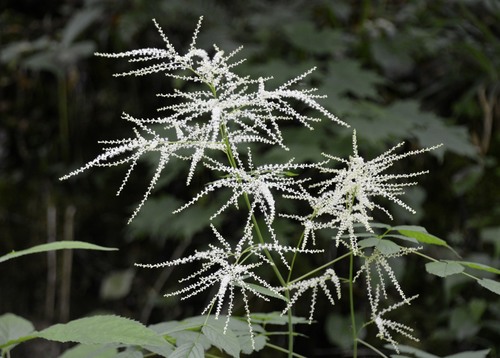
Aruncus dioicus is goatsbeard (bride's feathers), a large clumping deciduous perennial growing 4-6 feet (1.2-1.8 m) tall and 3-4 feet (0.9-1.2 m) wide. Cream-white tiny flowers in large compound terminal panicles 8-20 inches (20-50 cm) in June-July (4 weeks). Male plants have upright feathery plumes; female plants have slightly drooping plumes. Dark green bipinnate to tripinnate compound leaves with sharply serrated leaflets 2-4 inches (5-10 cm). Turns yellow in fall. In Rosaceae. Dioicus = dioecious (separate male and female plants). Resembles a giant Astilbe but is in a different family and reaches 4-6 feet (1.2-1.8 m) — much larger than Astilbe (1-4 feet / 0.3-1.2 m). Native to North America, Europe, and Asia. The large mature size and the slow establishment period (3-4 years to full size) are the primary space and patience limitations. The established crown is very long-lived and difficult to divide or transplant. Not drought-tolerant — leaf scorch in dry conditions. Deer-resistant. Non-toxic. Zones 3-8. Part shade to full sun. Growth rate is moderate.
Native Range
Native to North America (Pacific Northwest, eastern North America), Europe, and Asia. Found in moist mountain forests, stream banks, and ravines.Suggested Uses
Grown in woodland gardens, stream banks, moist borders, and as a background perennial spaced 3-4 feet (0.9-1.2 m). Large feathery plumes. Resembles giant astilbe. Requires consistent moisture. Native to North America. Non-toxic. Zones 3-8.How to Identify
Appearance
Size & Dimensions
Height4' - 6'
Width/Spread3' - 4'
Bloom Information
Early to midsummer (June-July). Cream-white tiny flowers in large compound panicles 8-20 inches (20-50 cm). Male plumes upright and feathery; female plumes slightly drooping. 4 weeks. Bee-visited. Dried seed heads persist.
Detailed Descriptions
Flower Description
Cream-white, tiny, in large compound terminal panicles 8-20 inches (20-50 cm); male plants have upright feathery plumes, female plants have slightly drooping plumesFoliage Description
Dark green, large, bipinnate to tripinnate compound with sharply serrated leaflets 2-4 inches (5-10 cm); turns yellow in fallGrowing Conditions
Sun Requirements
Requires 2-8 hours of direct sunlight daily
• Full Sun: 6+ hours of direct sunlight
• Partial Shade: 3-6 hours of direct sunlight
• Full Shade: Less than 3 hours of direct sunlight
Care & Maintenance
Care Guide
Part shade to full sun (2-8 hours — afternoon shade in hot climates). Moist humus-rich soil pH 5.5-7.0. Not drought-tolerant — leaf scorch in dry conditions. Large at maturity (4-6 feet / 1.2-1.8 m). Slow to establish (3-4 years). Very long-lived once established. Cut to ground in late fall or early spring. Deer-resistant. Non-toxic. Zones 3-8.Pruning
Cut spent flower plumes after bloom or leave for winter structure. Cut all stems to ground level in late fall (October) or early spring (March). The established crown resists division — divide only when necessary using a sharp spade.Pruning Schedule
Prune: March & October
early springfall