Arnica, Genus, cordifolia, Species,
- Genus & species
heartleaf arnica
Overview
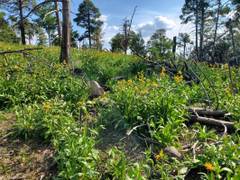
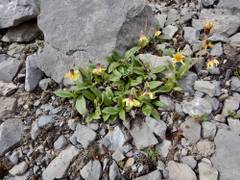
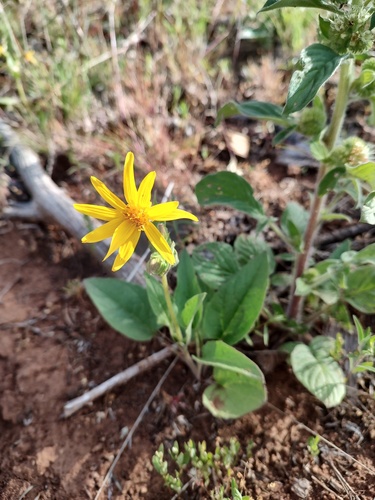
Arnica cordifolia is a rhizomatous herbaceous perennial of the aster family, forming open colonies 4-24 inches (10-60 cm) tall in mountain conifer forests. The opposite leaves are heart-shaped with toothed margins, the lower ones long-stalked and 1-4 inches (2.5-10 cm) long; upper stem leaves are smaller. From late spring into summer, each stem carries one to three yellow daisy-like flower heads 2-3 inches (5-8 cm) across, with 10 to 15 broad rays around a yellow disc. The heads close partly at night and in cloud. After bloom, dry seeds tipped with tawny bristles disperse on the wind. Native to western North America, it spreads by creeping rhizomes to form loose patches across the shaded floor of pine, fir, and aspen woods. It grows in part shade on cool, moist to seasonally dry, humus-rich soil and tolerates dry summer dormancy. Hardy in USDA zones 4-8, the foliage dies back in winter. Flowering is uneven from year to year, and many shoots in a colony stay vegetative. The flowers draw bees and other pollinators. It is intolerant of heat and heavy clay, and the foliage and roots are toxic if eaten.
Native Range
Native to western North America, from Alaska and the Yukon south through the Rocky Mountains and Sierra Nevada to New Mexico and California. It grows on the floor of montane and subalpine conifer and aspen forests, often in dappled shade.Suggested Uses
Used in woodland gardens, shaded native plantings, and naturalized groundcover beneath conifers and aspens, spaced 12-18 inches (30-45 cm) apart. Suited to cool, part-shade mountain gardens where summer heat is limited.How to Identify
Appearance
Size & Dimensions
Height4" - 2'
Width/Spread1' - 2'
Bloom Information
Detailed Descriptions
Foliage Description
greenGrowing Conditions
Sun Requirements
Requires 2-5 hours of direct sunlight daily
• Full Sun: 6+ hours of direct sunlight
• Partial Shade: 3-6 hours of direct sunlight
• Full Shade: Less than 3 hours of direct sunlight
Care & Maintenance
Care Guide
Grow in part shade on cool, humus-rich, well-drained soil that stays moist in spring and may dry in summer. The plant suits woodland and north-facing sites and declines in heat, drought stress, and heavy clay. It spreads by rhizomes into open colonies and is slow to re-establish after disturbance. No feeding is needed under leaf litter. Cut or leave spent stems in fall. Hardy in USDA zones 4-8, it returns from rhizomes each spring.Pruning
Cut faded flowering stems after bloom to tidy patches, or leave them for seed. Remove dead foliage in late fall or early spring. The plant needs no other pruning and spreads on its own when left undisturbed.Pruning Schedule
Prune: March & November
fallearly spring