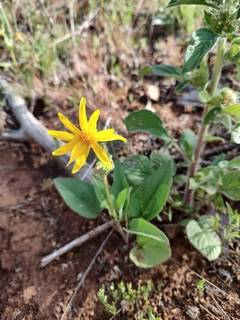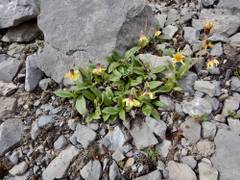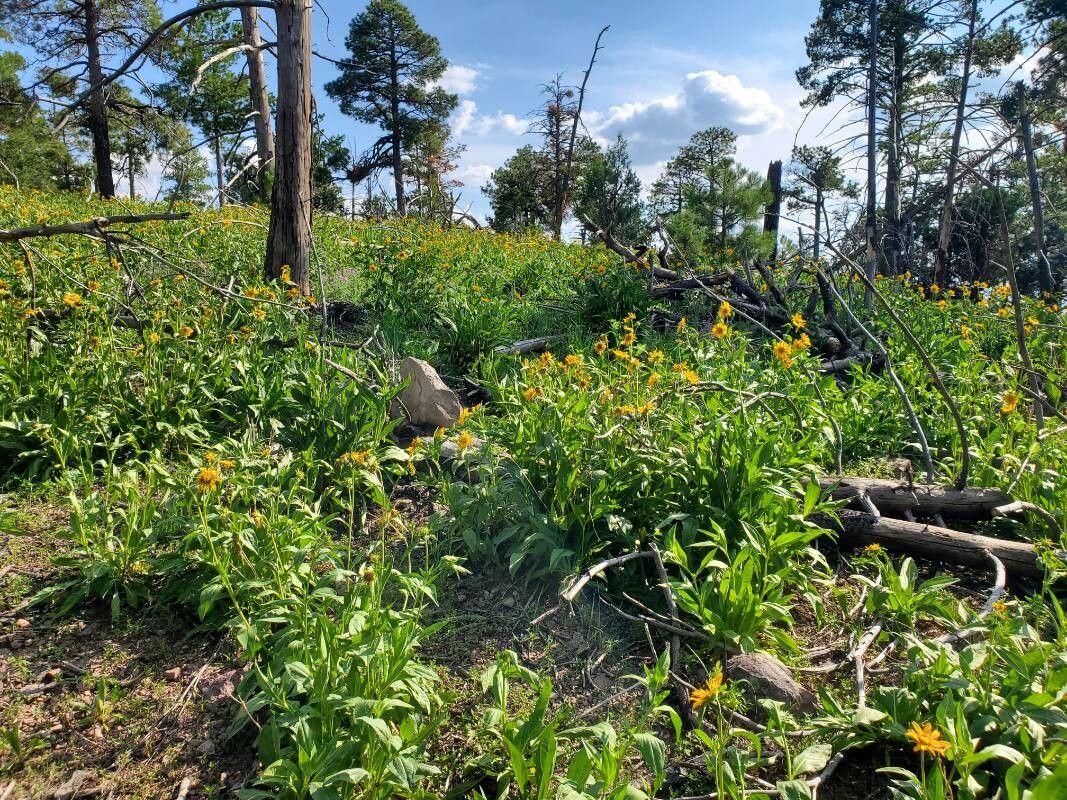
Arnica, Genus, chamissonis, Species,
- Genus & species
meadow arnica
Overview
Arnica chamissonis is a stoloniferous herbaceous perennial reaching 12-36 inches (30-90 cm) tall and spreading 12-24 inches (30-60 cm) wide via underground rhizomes. Stems erect, unbranched or branched in the upper third, finely pubescent and somewhat sticky-glandular. Leaves opposite, lance-shaped to oblong-lanceolate, 2-6 inches (5-15 cm) long with entire to finely toothed margins, dull green and pubescent on both surfaces. Lower leaves stalked; upper leaves sessile and clasping. Flowers daisy-like, 1.5-2.5 inches (4-6 cm) wide, with 6-15 yellow ray florets surrounding a central yellow disc; borne 1-5 per stem on long peduncles. Bloom June through August. Achenes 0.2-0.3 inch (4-7 mm) long with persistent white pappus, dispersing on the wind in August-September. Spreads 4-8 inches (10-20 cm) per year by rhizomes; mature colonies cover 2-4 square feet (0.2-0.4 m²) within 4-5 years. Foliage and flower heads contain helenalin and other sesquiterpene lactones, which are toxic if ingested but have established external use in topical preparations for bruise treatment. Plants die back to ground level after first hard frost.
Native Range
Native to western and northern North America from Alaska and Yukon south through British Columbia, the Pacific Northwest, and Rocky Mountains to New Mexico, east to Manitoba and the western Great Lakes. Found in moist montane meadows, wet streamsides, sedge fens, and forest seeps at 1,500-10,500 feet (450-3,200 m) elevation. Most populations occur in subalpine to montane wet meadow communities.Suggested Uses
Used in moist meadow plantings, rain garden borders, and montane native plant gardens at 12-18 inch (30-45 cm) spacing in zones 3-7. Stoloniferous habit suits naturalistic and restoration plantings but limits use in mixed perennial borders without root barriers. Container culture is short-lived (2-3 seasons) due to its rhizomatous spread requirement. Cultivated commercially in Europe for topical pharmaceutical preparations.How to Identify
Appearance
Size & Dimensions
Height1' - 3'
Width/Spread1' - 2'
Bloom Information
June through August across most of the range, with peak bloom in late June through July at mid-elevations and into early September above 8,000 feet (2,400 m). Individual flower heads last 1-2 weeks; total flowering on a single plant extends 4-6 weeks. Bloom is reduced after dry winters and shifts 2-3 weeks later in cooler subalpine sites.
Detailed Descriptions
Foliage Description
Dull greenGrowing Conditions
Sun Requirements
Requires 4-8 hours of direct sunlight daily
• Full Sun: 6+ hours of direct sunlight
• Partial Shade: 3-6 hours of direct sunlight
• Full Shade: Less than 3 hours of direct sunlight
Care & Maintenance
Care Guide
Plants establish from rhizome divisions or 4-inch (10 cm) container stock in spring at 12-18 inch (30-45 cm) spacing. Maintain consistent moisture throughout the growing season; plants decline rapidly in dry soils. Few pest pressures occur on natural sites; aphids may colonize stems in late summer in cultivation. Foliage and flower heads are toxic to mammals if ingested; deer and rabbits avoid the plant. Stoloniferous spread can extend 12-24 inches (30-60 cm) per year in saturated soils; plants are difficult to remove once established. Lifespan 8-15 years on suitable wet sites.Pruning
Cut spent flower stems back to basal foliage in late August or September to reduce wind dispersal of seed. Cut entire plant to ground level in fall after first hard frost. Sucker shoots that escape the planting area can be lifted and transplanted, or cut at ground level during the growing season.Pruning Schedule
Prune: August–October
summerfall
Container Growing
Minimum container size: 2 gallons