Arnica, Genus, spp., Multiple species,
- Genus
- Multiple species
arnica
Temperate and arctic Northern Hemisphere
Overview
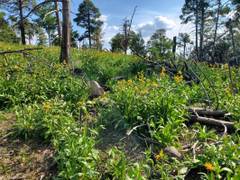
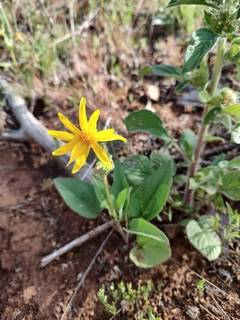
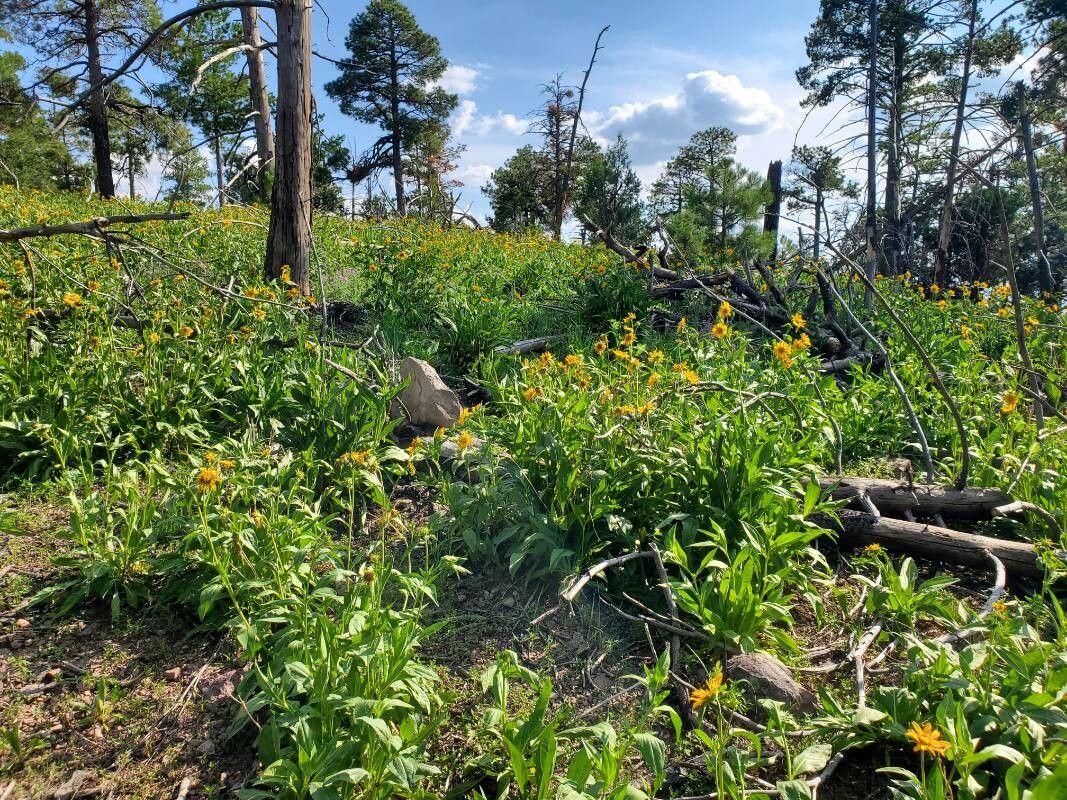
Arnica is a genus of about 30 perennial herbs in the daisy family, Asteraceae, native to temperate and arctic regions of the Northern Hemisphere. Plants grow from creeping rhizomes into clumps 6-24 inches (15-60 cm) tall, with opposite, often hairy leaves and a basal rosette. The flower heads are yellow to orange-yellow daisies 1.5-3 inches (4-8 cm) across, each with ray florets surrounding a central disk, carried singly or a few per stem. The genus is concentrated in western North America and the mountains of Europe and Asia, growing in alpine meadows, open woodland, and grassland. Several species, especially A. montana, are used in topical herbal preparations for bruises and muscle pain. All species are toxic if eaten, containing compounds that affect the heart and digestive system, so internal use is unsafe. Plants need cool summers and sharply drained soil and grow poorly in heat and humidity. Most species are hardy but short-lived in cultivation, and several are slow to establish from seed. Some wild populations are sensitive to collection and habitat loss.
Native Range
Arnica is native to temperate and arctic regions of the Northern Hemisphere, with most species in western North America and others in the mountains of Europe and northern Asia. The genus grows in alpine and subalpine meadows, open coniferous woodland, and cool grassland.Suggested Uses
Grown in rock gardens, alpine beds, and native plant collections in cool climates. A. montana is also cultivated for the herbal trade. The genus suits cool, open sites with sharp drainage rather than warm borders.How to Identify
Appearance
Size & Dimensions
Height6" - 2'
Width/Spread8" - 1'6"
Bloom Information
Flowering occurs in summer, generally June to August, with the timing later at high elevations and latitudes. Each clump produces flower heads over 3-5 weeks. Blooms are followed by tufted seeds dispersed by wind.
Detailed Descriptions
Flower Description
yellow to orange-yellowFoliage Description
greenGrowing Conditions
Sun Requirements
Requires 4-8 hours of direct sunlight daily
• Full Sun: 6+ hours of direct sunlight
• Partial Shade: 3-6 hours of direct sunlight
• Full Shade: Less than 3 hours of direct sunlight
Care & Maintenance
Care Guide
Arnica species grow in full sun to partial shade in cool climates on moist but sharply drained, acidic to neutral soil with a pH near 5.5-7.0. The genus needs cool summers and good drainage and declines in heat, humidity, and heavy wet soil. Plants spread slowly by rhizomes and can be divided in spring. Seed germinates slowly and may need a cold period before sprouting. Most species are hardy in USDA zones 3-7 but are short-lived where summers are warm. Wet winter soil causes crown rot.Pruning
Arnica requires little pruning. Spent flower stems are removed to tidy the clump and limit self-seeding. Foliage dies back in autumn and is cleared as the plant goes dormant.Container Growing
Suitable for container growing
Minimum container size: 1 gallons