Aralia, Genus, elata, Species,
- Genus & species
Japanese angelica tree
Overview
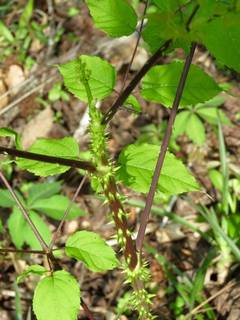
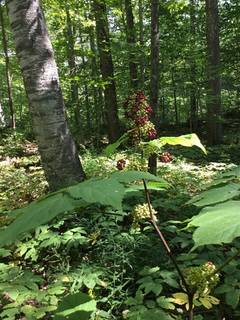
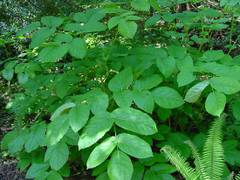
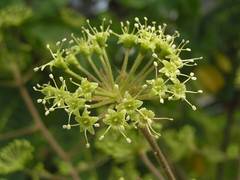
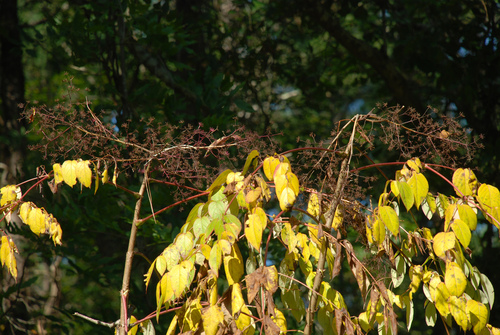
Aralia elata is a deciduous, suckering shrub or small tree in the ginseng family, reaching 10-30 feet (3-9 m) tall with a sparse, upright framework of stout, spiny stems. The enormous bipinnate to tripinnate leaves are 2-4 feet (0.6-1.2 m) long, clustered toward the branch tips, and made up of many oval, toothed leaflets 2-5 inches (5-12 cm) long that turn yellow to purplish-red in autumn. Stout prickles arm the trunk and the leaf stalks. In August and September, large branched flower clusters 12-18 inches (30-45 cm) wide rise above the foliage, holding many tiny creamy-white flowers that draw bees, wasps, and flies. The flowers ripen to small, round purple-black berries that birds eat and spread. It forms colonies by root suckers and self-seeds freely, and it is listed as an invasive species in parts of the northeastern United States, where it crowds out native vegetation along woodland edges and roadsides. Native to eastern Asia, it grows in forests, clearings, and disturbed ground. The bold foliage and prickly stems resemble the native devils walking stick, Aralia spinosa, which carries a more open, branched flower cluster. Suckering and seeding make it hard to contain once established.
Native Range
Native to eastern Asia, including Japan, Korea, eastern China, and the Russian Far East. It grows in deciduous forests, woodland clearings, thickets, and disturbed slopes from lowlands into low mountains. In North America it is an introduced ornamental that has escaped cultivation in the Northeast.Suggested Uses
Aralia elata has been planted as a bold-foliage specimen and screen in large gardens and parks for its tropical look and late flowers. Because of its invasive spread, its use is restricted in parts of the northeastern United States, and native Aralia spinosa is grown in its place. It suits naturalized edges only where suckering and seeding can be managed.How to Identify
Appearance
Size & Dimensions
Height10' - 30'
Width/Spread10' - 20'
Bloom Information
Flowering comes late, in August and September, well after most trees and shrubs have finished. The broad, branched clusters of small creamy-white flowers last about three to four weeks and draw numerous bees, wasps, and flies. Purple-black berries follow in autumn and persist until birds strip them.
Detailed Descriptions
Foliage Description
green, turning yellow to purplish-red in autumnGrowing Conditions
Sun Requirements
Requires 4-10 hours of direct sunlight daily
• Full Sun: 6+ hours of direct sunlight
• Partial Shade: 3-6 hours of direct sunlight
• Full Shade: Less than 3 hours of direct sunlight