Anthurium, Genus, spp., Multiple species,
- Genus
- Multiple species
anthuriums
Overview
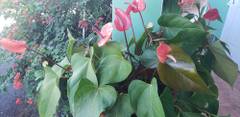
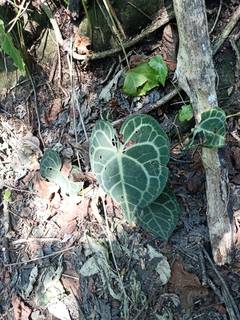
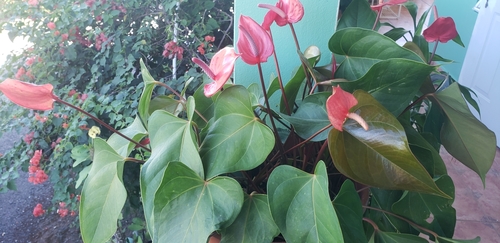
Anthurium is a genus of around 1,000 species of evergreen perennials in the family Araceae, native to the tropical Americas from Mexico and the Caribbean to northern Argentina. Most are epiphytes or climbers of humid forests, while some grow on the ground or among rocks. Plants range widely in size, with leaves from a few inches to over 3 feet (1 m) long that may be heart-shaped, strap-like, or deeply lobed, often thick and glossy. The tiny true flowers are packed onto a fleshy spike, the spadix, which is backed by a flat or curved bract called the spathe. In florist species such as A. andraeanum and A. scherzerianum the spathe is waxy and brightly coloured in red, pink, orange, white, or green, and lasts for weeks. Pollinated spadices ripen into fleshy berries. Many species are grown as houseplants and cut flowers for their long-lasting spathes and bold foliage. All parts contain calcium oxalate crystals, which irritate the mouth and skin. Plants need warmth, humidity, and shade from direct sun to grow well.
Native Range
Native to the tropical Americas, from Mexico and the West Indies south through Central America to Colombia, Ecuador, and northern Argentina. The greatest diversity occurs in the wet forests of the northern Andes and Central America.Suggested Uses
Grown as houseplants, in heated greenhouses and conservatories, and as a major cut flower in the florist trade. Compact species suit terrariums and shaded patios in warm climates. The waxy spathes are used in tropical floral arrangements.How to Identify
Appearance
Size & Dimensions
Height1' - 5'
Width/Spread1' - 3'
Bloom Information
Detailed Descriptions
Flower Description
red, pink, orange, white, or green spathesFoliage Description
green, often glossyGrowing Conditions
Sun Requirements
Needs bright indirect light. Keep it out of direct sun, which can scorch the leaves.
• Bright indirect light: a bright spot near a window, with no direct sun on the leaves
Care & Maintenance
Care Guide
Anthurium species grow in bright, indirect light and warmth above 60F (16C), away from direct midday sun that scorches the leaves. They need a coarse, free-draining, organic mix that holds moisture without staying wet, much like an epiphyte natural footing. Steady humidity supports growth, and the foliage browns at the edges in dry air. Most are not frost-hardy and are grown as houseplants or under glass outside the tropics. Soil pH from 5.5 to 6.5 suits the genus, and overwatering in cool conditions leads to root rot.Pruning
Pruning is limited to removing yellowed or damaged leaves and spent flower spikes at the base. Cutting away old growth keeps the plant open and lowers the risk of disease. Aerial roots can be trimmed or guided into the pot as needed.Container Growing
Suitable for container growing
Minimum container size: 1 gallons